Beyond the Queue: A Framework for Managing Freshers’ Week Crowds
Freshers’ Week is exciting for students, but for university staff, it can also be one of the busiest times of the year.
Thousands of new and returning students arrive on campus within a short period, all trying to register, collect student IDs, resolve accommodation questions, access IT support, make payments, or simply figure out where they need to go for their first class.
That is when queues can quickly become a problem.
A student might arrive at a service desk expecting a quick five-minute visit, only to find a long line with no clear idea of how long they will have to wait. They may start wondering whether they are in the right place, whether they will make their next induction session, or whether they should leave and come back later.
For a new student, that uncertainty can be particularly stressful.
So, how can universities manage Freshers’ Week crowds without making students spend their first few days standing in line?
One answer is a Queue Management System (QMS)
A modern QMS allows students to join a queue digitally, receive updates about their place in line, and wait somewhere else on campus until their turn. At the same time, university staff can see how many students are waiting, where demand is building, and where additional support may be needed.
Instead of treating the queue as simply a line of people waiting for service, universities can use a QMS to turn that waiting process into something they can actively manage.
And during Freshers’ Week, that can make a surprisingly big difference.
Why are queues such a problem during Freshers’ Week?
The issue is not simply that there are a lot of students.
It is that a lot of students need different things at roughly the same time.
A new student needs to collect their ID card, speak to student services, sort out their accommodation and get help connecting to the university Wi-Fi; all within their first 24 hours.
Now imagine hundreds of students doing the same thing.
Suddenly, reception desks, student services offices, IT support, finance teams and accommodation offices can experience a rush that is very different from their normal day-to-day traffic.
This is where physical queues can quickly become difficult to manage.
Students gather in corridors and waiting areas. Staff have to spend time answering questions about the queue rather than helping students with their actual requests. And when there is no clear indication of how long the wait will be, even a relatively short queue can feel much longer.
For a student who has just arrived at university, that can be an uncomfortable introduction. The challenge, then, is not only how long students wait. It is how much uncertainty they experience while waiting.
When are university queues busiest during Freshers’ Week?
There is no single peak hour that applies to every university. It depends on how each university schedules registration, arrivals, orientation and student services.
However, there are some periods when universities can expect traffic to increase.
Morning arrivals can create an early rush as students start their day and head to registration or support services.
Before induction sessions can create another spike, particularly when students need to resolve an issue before attending a scheduled activity.
Lunchtime can become busy as students finish morning activities and use the middle of the day to visit university offices.
And afternoons can bring another wave of students who have spent the morning settling into accommodation, attending welcome activities or exploring campus.
The bigger issue is that these periods can overlap.
A student who is waiting in one queue may also be trying to get to another event. If they have no idea how long their first interaction will take, they have very little choice but to stay in line and hope they do not miss anything.
That is where virtual queuing becomes useful.
What is a Queue Management System?
Simply put, it is a system that helps manage who is waiting, what they are waiting for, when they should be served and where they need to go.
Instead of asking students to stand in a physical line, a QMS can give them a digital or physical ticket and manage their place in the queue.
For example, a student could:
- Scan a QR code
- Select a service
- Join the queue
- Receive a digital ticket
- Wait wherever they please
- Receive an alert
- Go to the service point when called.
Depending on the system, students may be able to join through their phone, a website, WhatsApp, a QR code or a self-service kiosk.
This means the student does not necessarily have to spend 30 or 40 minutes standing outside an office.
They can grab a coffee, sit somewhere on campus, attend another task, or simply explore their new university.
For universities, this also creates a second benefit: staff gain visibility into demand while students are waiting. A system such as Wavetec’s Spectra QMS can provide real-time information on queue activity and service performance, helping teams understand where pressure is building.
Why Does Uncertainty Make a University Queue Feel Longer?
Think about the difference between being told, “You are number 25 in line,” and being told, “You have a digital ticket and we will notify you when your turn is approaching.”
The amount of time may not change immediately, but the experience does. Students know that they have not been forgotten, they can move around campus, and they have greater visibility into what happens next.
For a new student who is already trying to navigate an unfamiliar campus, that sense of control can matter.
How has the University of Wolverhampton used queue management?
There is already a practical example of this approach in the UK.
The University of Wolverhampton worked with Wavetec to introduce a virtual queuing solution designed to make student services easier to access and less stressful during busy periods.
Students can join a queue through WhatsApp by scanning a QR code, receive a digital ticket and get updates as their turn approaches.
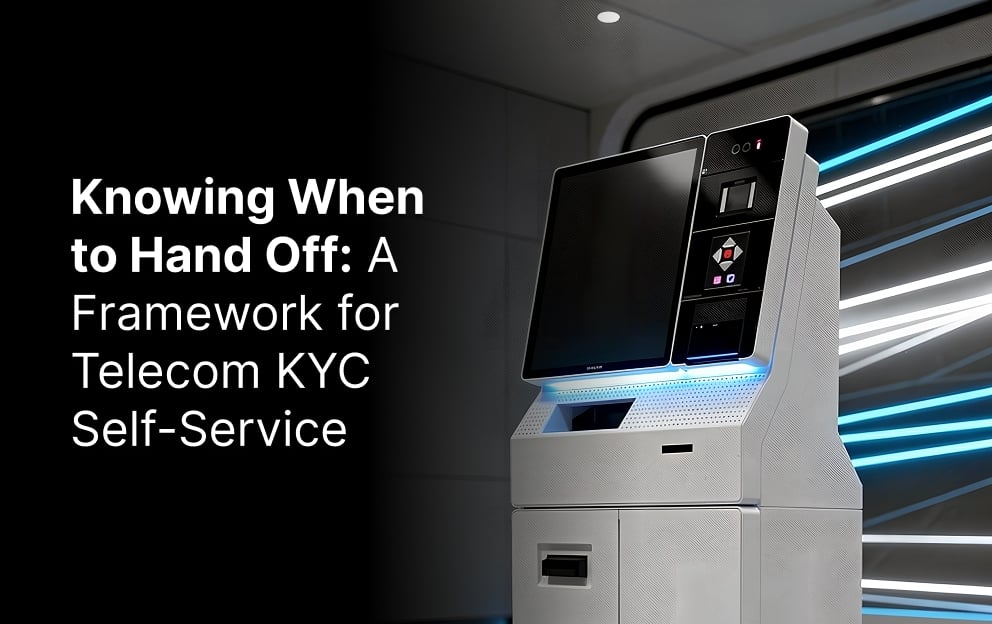
For students who prefer a physical option, Wavetec M-13 self-service kiosks can issue tickets. Digital signs help students understand queue and counter information, while Lobby Leader gives university staff visibility into queue activity and helps them manage service resources.
The idea is simple: students do not have to remain standing in a physical queue while waiting for their turn.
And the student feedback is particularly relevant when thinking about Freshers’ Week. According to the University of Wolverhampton, students indicated a positive impact on the waiting experience, with nearly 7 in 10 students reporting that the system reduced their anxiety, while 75% valued the ability to sit rather than stand while waiting.
This also shows why a university QMS does not have to be a single-channel system. Students can join digitally through WhatsApp, while self-service kiosks provide an alternative for those who need or prefer an on-campus physical option.
How can universities prepare for Freshers’ Week traffic?
The first step is to understand where the pressure is likely to come from.
Universities already know which services tend to receive the most student enquiries. They can combine that knowledge with historical traffic data and queue analytics to identify when additional capacity may be needed.
A QMS can then help universities respond in real time.
If student traffic suddenly increases at an accommodation office, staff can see the queue building. If IT support is experiencing a quieter period, available resources can potentially be redirected. If one service consistently experiences long waits during the morning, the university has data that can help it plan for the following day.
In other words, the university is not simply reacting to a crowd after it forms. It can start managing demand as it happens.
This is where queue analytics can become more than a reporting tool. Over time, universities can use historical demand patterns to understand which services are most likely to experience pressure, when that pressure occurs and where additional capacity may be required.
What should a university Queue Management System include?
A university does not necessarily need every possible queue management feature. The right setup depends on its campus, services and student journey.
However, a useful university QMS can include:
- Virtual queuing: Students join queues without physically standing in line.
- QR-code and mobile access: Students can access services using devices they already have with them.
- Self-service kiosks: Students can check in and receive tickets on campus.
- Digital notifications: Students know when their turn is approaching.
- Digital signage: Students can easily see where they need to go.
- Staff dashboards: Staff teams can see queues, waiting times and service activity in real time.
- Queue analytics: Universities can understand demand patterns and identify recurring bottlenecks.
- Feedback tools: Students can provide feedback about their experience after receiving a service.
Together, these features create a more connected journey from joining the queue to completing the service.
Can AI Help Universities Predict Freshers’ Week Demand?
This is where the next generation of queue management systems is moving beyond simply showing what is happening now.
AI-powered decision intelligence can help universities explore potential scenarios before they happen. For example, what happens if student arrivals are higher than expected? What if one service point has fewer staff available? What if demand shifts from registration to IT support during the afternoon?
With Wavetec’s Nexia Consultant, universities can move from identifying operational challenges to evaluating what they should do next. Nexia can use real operational data, queue simulation and defined objectives to test different configurations and return a structured plan with expected impact, trade-offs and approval points.
For a university preparing for Freshers’ Week, this could mean evaluating staffing levels, service capacity or other operational changes before peak demand arrives, helping teams make decisions based on simulated outcomes rather than simply reacting once queues have formed.
Practical Tips for University Freshers
Starting university can feel overwhelming, especially during Freshers’ Week, when new students are learning their way around campus while managing registrations, orientation sessions and different student services.
A little preparation can make the transition easier. Keep important documents and student information easily accessible, check your university timetable and Freshers’ Week schedule in advance, and familiarise yourself with key campus locations such as student services, accommodation offices, IT support and registration desks.
If you need help, do not hesitate to ask university staff or student support teams. When services are busy, look out for virtual queuing, QR-code or digital ticketing options that allow you to join a queue without waiting in a crowded area.
Most importantly, give yourself time to settle into university life; you do not need to figure everything out on your first day.
Can universities really eliminate Freshers’ Week queues?
Probably not; and they do not necessarily need to.
Freshers’ Week will always create periods of unusually high demand. Students will have questions. Some services will take longer than expected. New issues will appear that nobody could have predicted.
The goal is not to make every queue disappear. The goal is to make those queues manageable.
A QMS gives universities a way to handle high traffic without requiring every student to physically stand in the same place at the same time. Students get more control over their waiting time and the staff get better visibility into demand.
Most importantly, the first impression becomes less about “Where do I stand?” and more about “How can the university help me?”
And for a student starting a new chapter, that is a much better way to begin.
Managing the Freshers’ Week Crowd Without Managing Students Like a Crowd
Freshers’ Week will always be busy. The question is what that experience feels like for the students arriving on campus.
A Queue Management System gives universities a way to manage high-volume student services while giving students more freedom over how they spend their waiting time. Instead of asking students to stand in line and wait for their turn, universities can give them visibility, flexibility and a clearer path through the services they need.
With virtual queuing, self-service, digital signage and real-time analytics the queue becomes more than a waiting line. It becomes an operational process that universities can understand, manage and improve.
For universities preparing for another busy Freshers’ Week, that could mean fewer crowded service areas, better visibility for staff and a more positive first experience for students.
Frequently asked questions
What is a queue management system for universities?
A Queue Management System helps universities organise student traffic across high-demand services such as registration, IT support, accommodation, finance and student services. Students can join a queue, receive updates and be called when their service is ready.
How does a university queue management system work?
Students can join a queue through a kiosk, QR code, website, mobile device or messaging platform. They receive a ticket and can wait elsewhere until they are called. University staff can monitor queues and service activity through a management dashboard.
When are university queues busiest?
Queues can become particularly busy during Freshers’ Week, student registration, morning arrival periods, before orientation activities, around lunchtime and during afternoon service periods. Exact peak times vary between universities.
How does virtual queuing help students?
Virtual queuing means students do not have to remain physically standing in a queue. They can join remotely or through a QR code, receive updates and return to the service point when their turn is approaching.
Can universities use WhatsApp for queue management?
Yes. WhatsApp can be integrated into a queue management system so students can join queues and receive updates through a platform they are already familiar with. Wavetec uses this approach at the University of Wolverhampton.
How can queue management improve Freshers’ Week?
It can reduce physical congestion, give students greater visibility into waiting times, help staff manage demand and make it easier for students to fit service visits around induction activities and other Freshers’ Week events.
Does queue management reduce waiting times?
A QMS can help universities identify bottlenecks, manage demand and allocate resources more effectively. However, the impact on actual waiting times depends on factors such as staffing, service capacity, demand and the way the system is implemented.
BOOK A FREE DEMO