A practical guide to how banks, telecom stores, healthcare providers, and public service centers can connect digital and physical arrival channels into one managed customer journey.
Introduction: The Service Journey Starts Before the Counter
A service journey does not begin at the counter. It begins when a customer decides to visit, asks a question, confirms an appointment, checks whether the trip is worth making, or joins a queue remotely.
That is why arrival management matters more than most organizations think. In appointment-led environments, missed arrivals remain a meaningful capacity problem. A recent review cited a global average outpatient no-show rate of 23%, while research summarized by Harvard Business Review shows that frequent progress updates improve customer experience. David Maister’s classic waiting-line principle still applies: “Uncertain waits are longer than known, finite waits.”
When customers can join, confirm, and track their progress across digital and physical channels, they are more likely to arrive prepared and less likely to abandon the journey before service begins.
For banks, telecom stores, healthcare providers, and public service centers, the operational implication is straightforward: arrivals should be orchestrated across channels before the service interaction starts.
Why Wavetec Is Built for Omnichannel Arrival Management
What differentiates Wavetec in omnichannel arrival management is not one isolated channel or one kiosk. It is the ability to combine in-house software, in-house hardware, enterprise integration, and centralized analytics into one governed operating layer for customer arrivals.
Wavetec’s platform brings together Queue Management Systems, WhatsApp Virtual Queuing, Mobile-Q, Smart Online Appointment Management, WhatsApp Appointment Management, Self-Service Kiosks, Donatello Digital Signage, and Spectra Queue Analytics into a connected service journey.
What Omnichannel Arrival Management Means for Service Operations
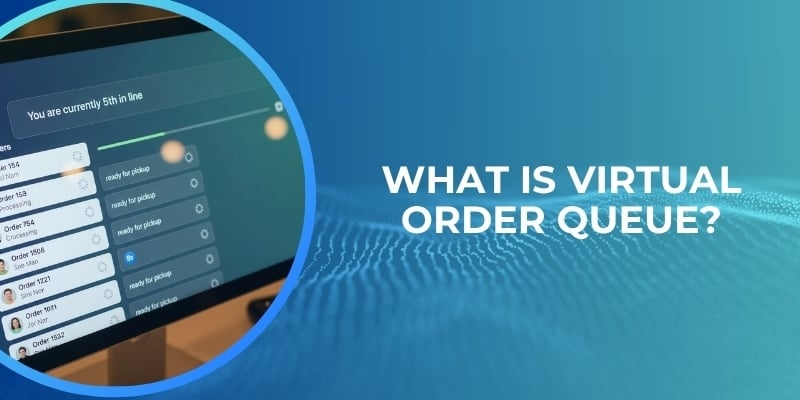
Omnichannel arrival management means a customer can begin the journey in one channel and complete it in another without losing context. A customer may book online, receive a WhatsApp reminder, join the queue remotely, confirm arrival at a kiosk, and follow status updates on digital signage — while the operations team sees one connected journey.
| Channel | Best Used For | Customer Action | Operational Value |
|---|---|---|---|
| Low-friction remote entry, reminders, and live updates. | Join queue, confirm intent, receive status. | Better pre-arrival visibility and lower front-desk load. | |
| Web or Mobile Booking | Planned visits and scheduled services. | Book, reschedule, cancel, or check in. | Better slot control and fewer surprise surges. |
| SMS | Reminder and fallback communication. | Receive confirmations and ready alerts. | Broad reach, especially where app adoption is low. |
| Self-Service Kiosk | Walk-ins and on-site verification. | Check in, identify service, print or scan ticket. | Faster triage and cleaner queue data. |
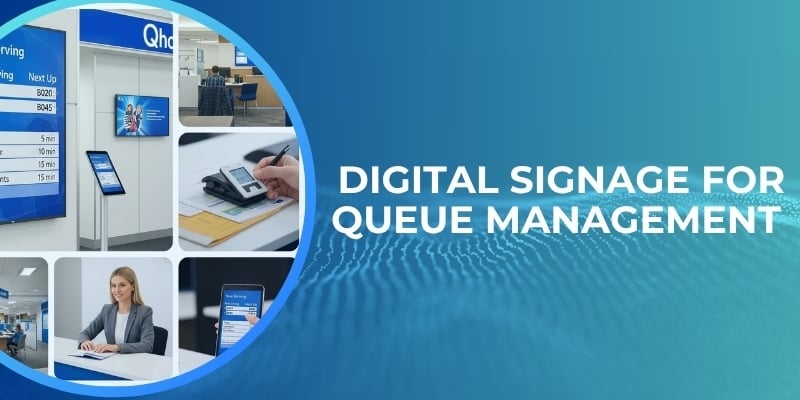
| Digital Signage and Dashboards | Last-mile visibility. | See current status and next steps. | Lower uncertainty and more transparent service flow. |
Wavetec’s connected model allows customers to join before arriving, receive SMS or WhatsApp notifications, and stay informed through displays once they are on-site. Meanwhile, Spectra ties together appointments, virtual queuing, mobile queuing, WhatsApp queuing, web ticketing, SMS tickets, customer feedback, and real-time monitoring.
Why Unmanaged Arrivals Create Hidden Loss
Most organizations still treat arrival as a lobby problem: a greeter, a ticket printer, or a reception desk. By then, the real decisions have already been missed.
When arrival channels are disconnected, four things happen.
- Walkaways become invisible. People who leave before formal check-in rarely appear in reporting, making abandonment look smaller than it is.
- Intent gets captured twice. A customer may explain their need on WhatsApp, then repeat it at the kiosk, then repeat it again at the counter.
- Staff spend time on qualification instead of service. The first minutes are spent identifying the service, checking documents, and confirming the right queue.
- Waiting feels longer than it should. Uncertainty, lack of explanation, and perceived unfairness make waiting feel worse than the clock alone suggests.
A simple way to think about the cost is this: if a site loses even 20 visits per day to avoidable abandonment, and each completed visit is worth $40, that is an illustrative $800 in daily demand left unserved. The exact number will vary by industry, but the pattern is the same: poor arrival design suppresses throughput before leadership sees it in a dashboard.
How a Connected Omnichannel Arrival Model Works in Practice
A strong omnichannel arrival model does not add more channels for the sake of it. It makes all channels feed the same operating logic.
A customer might book through Smart Online Appointment Management, receive a reminder through WhatsApp Appointment Management, join early through WhatsApp Virtual Queuing, and still use a self-service kiosk on arrival for confirmation or identity capture. The counter team should see one service record, one queue logic, and one operational status.
Spectra then becomes the control layer for arrival-channel mix, service demand, and queue performance. For technical evaluators, omnichannel arrivals are not only about customer convenience. They are about control architecture: booking, reminders, queue logic, kiosks, signage, CRM fields, calendars, and analytics must connect without fragmenting data or creating governance gaps.
Omnichannel Arrival Management by Industry
Banking
In banking, omnichannel arrivals turn branch traffic into a visible workload instead of a surprise. Wavetec’s banking solutions position the branch as part of a broader omnichannel experience, not a standalone waiting room.
Public case studies show that Wavetec has deployed structured customer-flow solutions at meaningful scale, including enterprise queue management across hundreds of branches for major banking networks. This supports better demand visibility, more consistent customer flow, and stronger service quality control.
Telecom
In telecom, omnichannel arrivals reduce the number of customers who stand in line for tasks that could have been prepared, partially completed, or fully resolved before counter contact. A customer can begin with Mobile-Q or WhatsApp Appointment Management, then complete identity verification or pickup through telecom self-service workflows.
This connects naturally with Wavetec’s telecom solutions and Telecom Self-Service Kiosks for SIM lifecycle, bill payments, and KYC-ready service journeys.
Government and Citizen Services
For government service centers, the value is transparency and predictability. Citizens need clear queue visibility, structured routing, and channel continuity between digital booking and in-person service.
Wavetec’s government solutions help reduce front-desk pressure, improve fairness, and make high-traffic service centers easier to manage.
Healthcare
Healthcare benefits when reminders, confirmations, and arrival capture happen before the patient reaches reception. Patients want options across messaging, portals, and self-service, not a single overloaded phone line.
In practice, this means appointment reminders, pre-arrival communication, kiosk-based check-in, and real-time queue visibility working together through Wavetec’s healthcare solutions.
The KPI Framework for Omnichannel Arrival Management
To manage arrivals properly, measure them as an operating system, not as a front-desk anecdote.
| KPI | What It Tells You | Why It Matters |
|---|---|---|
| Arrival Channel Mix | Share of traffic from WhatsApp, mobile, web, SMS-confirmed, kiosk, and walk-in channels. | Shows where adoption is growing and where friction still exists. |
| Check-In Completion Rate | Percentage of customers who complete the intended arrival flow. | Reveals channel usability and exception load. |
| No-Show Rate | Percentage of booked customers who never arrive. | Identifies recoverable capacity. |
| Walkaway / Abandonment Rate | Percentage of customers who enter the journey but do not complete service. | Quantifies hidden revenue and throughput loss. |
| Reroute Rate | Percentage of customers reassigned after first queue entry. | Exposes poor triage and unclear service taxonomy. |
| Time-to-Service by Channel | Wait and service performance by entry point. | Shows whether omnichannel design is improving outcomes. |
| Pre-Arrival Data Completion | Percentage arriving with intent, documents, or confirmation already captured. | Measures how much work has shifted away from the counter. |
Why Governance Is Non-Negotiable in Enterprise Arrival Management
Omnichannel arrivals only work at enterprise scale if governance is built in from the start. Role-based access control limits who can see and do what, while audit trails and monitoring create accountability for sensitive actions.
For regulated industries, arrival management is not just a convenience layer. It is part of the operational control model. Banks, healthcare providers, telecom operators, and government agencies must be able to manage data access, customer consent, retention, availability, and reporting across both physical and digital channels.
Why Wavetec Is a Strong Fit for Omnichannel Arrivals
Wavetec is not pitching one channel in isolation. It links queue management, appointments, WhatsApp journeys, self-service kiosks, digital signage, and analytics into one operating layer. That is closer to how real service networks actually work.
On Wavetec’s public platform pages, the company highlights enterprise-scale customer experience deployments, global reach, ISO 27001 certification, GDPR compliance, and its position as the first company to launch WhatsApp Queuing. The live QMS solution page also cites outcome figures including lower waiting times, lower operational costs, higher self-service transactions, and higher customer satisfaction.
“Full control over the customer service quality” and the ability to “predict the demand we’ll have.”
— Banorte customer quote featured by Wavetec
That is the right promise for omnichannel arrivals: not more channels, but more control.
Wavetec in Practice: Omnichannel Arrival Management at Scale
- Drivetest Ontario, Canada: Enterprise appointment and queue management across 92 branches.
- Banorte, Mexico: WhatsApp Queuing across a large branch network, giving the bank stronger visibility into demand and service quality.
- UBL, Pakistan: Structured customer flow with Spectra, digital ticketing, and real-time performance visibility.
- Villa Betania Clinic, Italy: WhatsApp ticketing, self-service kiosk functionality, digital signage, and Spectra analytics for healthcare patient flow.
- Consum, Spain: Digital signage and mobile app integration across more than 500 locations.
Related Wavetec Reading
- Wait Time Management System: Improving Customer Satisfaction
- Queue Management Analytics: KPIs Every Business Should Track
- How Banks Use Queue Management Software to Improve Branch Efficiency
- Benefits of Multi-Channel Communication in Healthcare Services
- Digital Transformation in Government Services Explained
Frequently Asked Questions
Can Wavetec combine appointments, walk-ins, WhatsApp arrivals, and kiosk check-in in one flow?
Yes. Wavetec’s product stack connects appointments, virtual queuing, mobile queuing, WhatsApp queuing, web ticketing, SMS tickets, and kiosk interactions as part of one broader customer-flow model managed through Spectra and QMS.
Does SMS still matter if we already have WhatsApp and a mobile app?
Yes. SMS remains an important fallback and reminder channel, especially where app adoption is uneven or customers do not want to interact through messaging apps.
What is the main operational benefit of managing arrivals before the visit?
You recover visibility. Staff can see intent earlier, plan capacity better, and reduce the amount of work pushed into the first 60 seconds at the counter.
How should enterprises evaluate security for omnichannel arrival systems?
Enterprises should look for role-based access control, audit logs, monitoring, availability controls, and clear rules for how customer data is handled across channels.
Which Wavetec pages should this blog support commercially?
The highest-value links are Queue Management System, WhatsApp Virtual Queuing, Mobile-Q, Smart Online Appointment Management, Self-Service Kiosks, Donatello Digital Signage, and Spectra Queue Analytics.
Conclusion: Turn Fragmented Arrivals into One Managed Journey
If your service network still treats arrival as something that starts in the lobby, the next improvement is not another signboard or another ticket dispenser. It is a connected arrival model.
Omnichannel arrival management connects the customer’s first intent signal to the final service interaction. It helps reduce walkaways, improve queue visibility, recover capacity, and give managers a clearer view of demand before it turns into congestion.
Call to Action
Explore Wavetec QMS, WhatsApp Virtual Queuing, Mobile-Q, and Smart Online Appointment Management to see how Wavetec can reduce walkaways, improve queue visibility, and turn fragmented arrivals into one managed journey.
BOOK A FREE DEMO