A customer queue management system is a digital platform that organizes and optimizes the flow of customers waiting for service. It uses virtual ticketing, real-time displays, and analytics to reduce perceived and actual wait times, improve service throughput, and enhance the overall customer experience.
Waiting in line is one of the oldest frustrations in commerce. Whether it is a bank branch at lunch hour, a pharmacy during flu season, or a government office on the first of the month, long queues test customer patience and damage brand loyalty.
Many businesses accept long waits as unavoidable. But they are not. Poor queue management is a choice, often driven by outdated paper tickets or no system at all.
A customer queue management system replaces guesswork with data, chaos with order, and frustration with transparency. It tracks every customer from arrival to service completion, displays real-time wait estimates, routes customers to the right staff, and captures performance analytics.
Studies show that customers overestimate their wait time by up to 36% when there is no visible queue indicator, and this perceived wait is the primary driver of negative service reviews.
By implementing a digital queue solution, businesses can turn waiting from a negative experience into a neutral or even positive one. Wavetec provides enterprise-grade queue management system solutions across banking, healthcare, retail, and government.
What Is a Customer Queue Management System?
A customer queue management system is a digital platform designed to manage the flow of customers through a service environment. It replaces physical lines and paper tickets with virtual queuing, real-time displays, and automated staff routing.
The system consists of several integrated components: ticketing interfaces (kiosks, mobile apps, or staff terminals), a central queue engine that tracks every customer and service status, digital signage displays that communicate wait times and ticket numbers, notification systems that send SMS or app alerts, and an analytics dashboard that reports performance metrics.
The system solves multiple problems.
- It eliminates the need for customers to stand in a physical line, reducing congestion and perceived wait time.
- It routes customers to the most appropriate service counter based on their needs, preventing simple transactions from being delayed behind complex ones.
- It provides transparent wait time estimates, which reduces anxiety and walkaways.
- It collects data that helps managers optimize staffing and service processes.
How a Customer Queue Management System Works
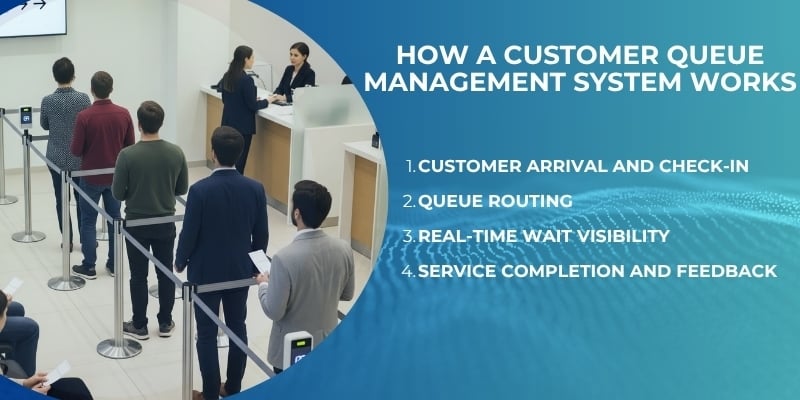
The customer journey through a queue management system follows a clear, logical flow from arrival to service completion.
Customer Arrival and Check-In
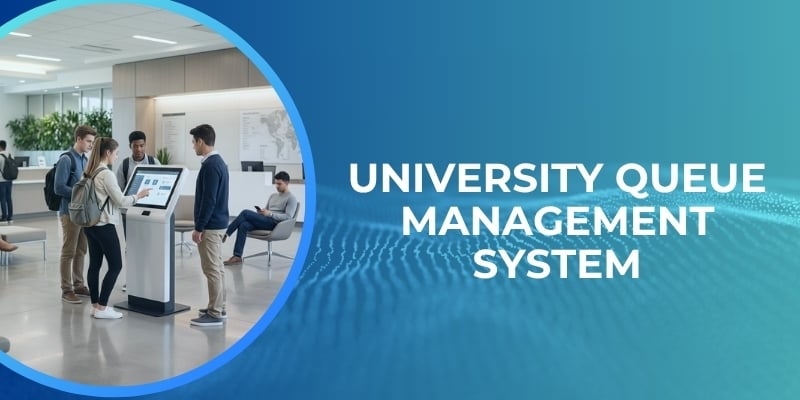
When a customer arrives, they check in at a self-service kiosk, via a mobile app, by scanning a QR code, or at a staff-assisted terminal. They select the service they need from a menu.
The system assigns a virtual ticket number and adds them to the appropriate queue based on service type and priority rules.
Queue Routing
The system’s central engine continuously monitors queue length, staff availability, and service times. When a customer’s turn approaches, the system routes them to the specific counter or staff member best suited for their service.
This prevents a customer with a quick transaction from waiting behind someone with a lengthy consultation.
Real-Time Wait Visibility
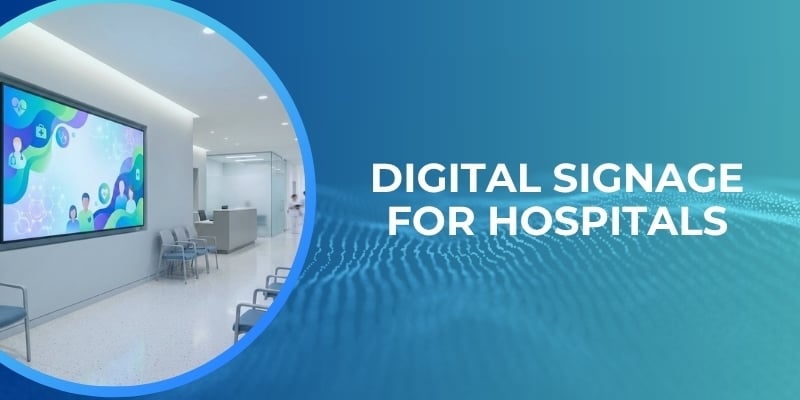
Digital signage displays show current ticket numbers, estimated wait times, and counter assignments.
Customers can see their position in the queue without crowding the service desk. For those who prefer to wait elsewhere, the system can send SMS or app notifications when their turn is near.
Service Completion and Feedback
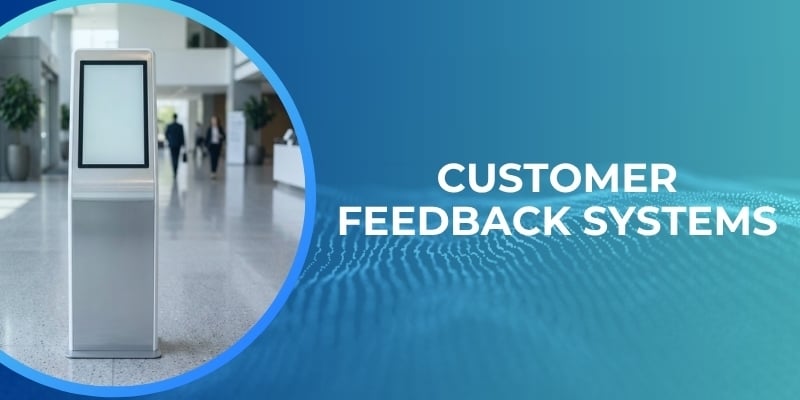
After service, the customer may be prompted to provide feedback via a tablet or SMS survey. The system closes the ticket, records service duration, and updates analytics. This closed loop provides data for continuous improvement.
Types of Queue Management Systems
Different service environments benefit from different queue configurations.
- Linear queues are the traditional single line that feeds multiple counters. They are fair and prevent line jumping, but do not differentiate by service type.
- Virtual queues allow customers to wait anywhere, not just in a physical line. They receive phone notifications when their turn approaches, reducing lobby congestion.
- Appointment-based queues manage pre-scheduled customers. The system reserves service slots and gives appointment holders priority over walk-ins.
- Multi-channel queues integrate walk-in, appointment, and virtual queue customers into a single, prioritized flow. The system applies rules to balance service across all channels.
- Priority queues give preference to VIP customers, elderly patrons, or those with urgent needs. The system automatically places them ahead of standard customers without disrupting overall flow.
Key Features of an Effective Customer Queue Management System
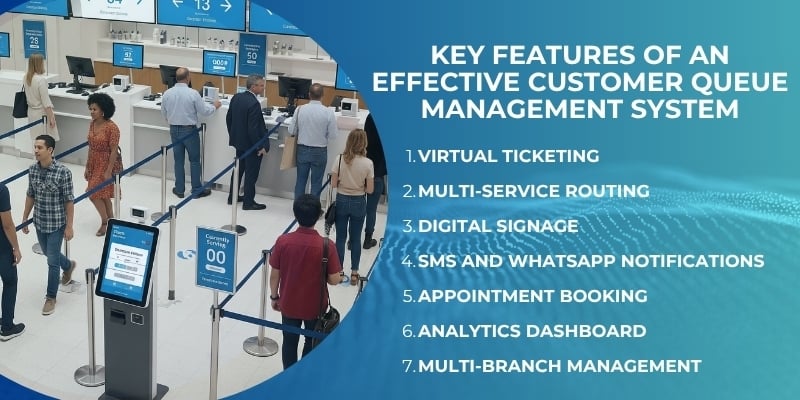
Effective systems include several essential features that work together to deliver results.
- Virtual ticketing eliminates physical paper tickets. Customers receive a digital ticket via kiosk, SMS, or app. The ticket is stored on their phone or printed at a kiosk.
- Multi-service routing allows different queues for different service types. Simple transactions go to fast lanes. Complex consultations go to specialized counters.
- Digital signage integration keeps customers informed without staff intervention. Large displays show ticket numbers, wait times, and counter assignments.
- SMS and WhatsApp notifications provide personal updates. Customers receive a message when their turn is approaching, reducing the need to watch displays.
- Appointment booking allows customers to reserve service slots online. The queue system integrates appointments with walk-in flow.
- Analytics dashboard shows real-time and historical performance. Managers see average wait time, service duration, queue length, abandonment rate, and staff utilization.
- Multi-branch management allows a single platform to manage queues across all locations. Centralized reporting and configuration save time.
Studies show that customers overestimate their wait time by up to 36% when there is no visible queue indicator, and this perceived wait is the primary driver of negative service reviews. Digital displays and notifications directly address this by providing transparency.
Industries That Benefit Most from Queue Management Systems
- Banking: Branches use queue systems to balance teller workloads, manage appointments, and reduce lobby congestion. The result is shorter waits and higher customer satisfaction.
- Healthcare: Hospitals and clinics use queue systems for patient check-in, consultation routing, lab work, and pharmacy pickup. Integration with electronic health records speeds service.
- Retail: Stores use queue systems for checkout lines, service desks, fitting rooms, and customer support counters. The systems reduce walkaways and improve throughput.
- Government: DMV, licensing offices, and social service centers use queue systems to manage unpredictable walk-in volumes. Citizens receive accurate wait estimates and can join virtual queues remotely.
- Telecom: Retail stores use queue systems for device activation, troubleshooting, and bill payment. Customers can join remotely and wait elsewhere.
- Hospitality: Hotels use queue systems for check-in, concierge, and event registration. Virtual queuing reduces lobby crowding.
Businesses that implement structured queue management systems see an average 20% increase in customer throughput and report a 33% reduction in customer complaints related to wait times within the first 90 days.
How Queue Management Systems Improve Customer Experience
The connection between queue management and customer experience is direct and measurable.
When customers know how long they will wait and can see progress, anxiety drops. When they are routed to the right staff the first time, frustration disappears. When they receive SMS updates, they feel respected.
A well-implemented queue system also enables personalization. A customer checking in at a kiosk can be recognized by loyalty status or past service history. They can be routed to a dedicated counter or offered a priority place in line. This personalization builds loyalty.
Post-service feedback collection closes the experience loop. Customers who have a positive wait experience are more likely to complete a survey and recommend the business.
Wavetec’s customer journey management platform connects queue management with other touchpoints, creating a complete view of the customer experience from pre-visit to post-service.
Queue Management System vs. Appointment Scheduling: What’s the Difference?
These terms are often confused, but they serve different purposes.
A queue management system handles walk-in customers in real time. Customers arrive, check in, and wait for their turn. The system organizes the order and manages flow.
An appointment scheduling system allows customers to book a specific time slot in advance. The system reserves staff time and sends reminders.
The most effective approach combines both. Customers who book appointments receive priority in the queue. Walk-ins are served in the same queue but with lower priority. The integrated system ensures that appointment holders are not delayed while still serving walk-ins efficiently.
Wavetec’s Customer Queue Management Solutions
Wavetec provides a complete queue management platform that includes self-service kiosks, digital signage, appointment booking, SMS notifications, and AI-powered analytics. The system handles multi-branch operations from a single dashboard.
- Wavetec’s self-service kiosks allow customers to check in quickly, select their service, and receive a ticket. The kiosks are customizable for different industries and languages.
- Digital signage displays keep waiting customers informed. The displays integrate directly with the queue engine, showing accurate, real-time information.
- The analytics dashboard provides managers with visibility into wait times, service duration, staff performance, and abandonment rates. Historical reports support staffing decisions and process improvements.
Wavetec’s platform is cloud-based, scalable, and secure. It serves banks, hospitals, retail chains, government offices, and telecom providers across the world.
FAQs
What is a customer queue management system?
A customer queue management system is a digital platform that organizes service lines using virtual ticketing, real-time displays, and automated routing. It reduces wait times, prevents congestion, and provides analytics to improve service delivery.
What is the difference between a queue system and an appointment system?
A queue system manages walk-in customers in real time, organizing their order and flow. An appointment system lets customers book specific time slots in advance. The best solutions integrate both, giving priority to appointment holders while serving walk-ins fairly.
How does digital signage help with queue management?
Digital signage displays current ticket numbers, estimated wait times, and counter assignments. This transparency reduces perceived wait time, lowers customer anxiety, and prevents people from approaching staff to ask “how much longer?”
Can small businesses use a queue management system?
Yes. Many cloud-based queue systems offer affordable subscription plans suitable for small businesses. A coffee shop, pharmacy, or boutique can implement virtual ticketing and SMS notifications without major hardware investment.
What metrics does a queue management system track?
Key metrics include average wait time, longest wait time, queue length, service duration, staff utilization, abandonment rate, and customer satisfaction by service type and time of day.
Author Bio: This article was written by the customer experience team at Wavetec, a global provider of queue management, digital signage, and customer journey solutions. With over 20,000 installations worldwide, Wavetec helps businesses reduce wait times and improve service efficiency.
Conclusion
A customer queue management system transforms how businesses serve waiting customers. It replaces chaotic lines with organized digital flow, reduces perceived and actual wait times, and provides data to continuously improve operations.
For banks, hospitals, retail stores, and government offices, the return on investment is clear: higher customer throughput, fewer complaints, and better satisfaction scores.
Waiting will never disappear entirely, but with the right system, it no longer has to damage your brand. Wavetec offers complete queue management solutions tailored to your industry and scale.
BOOK A FREE DEMO