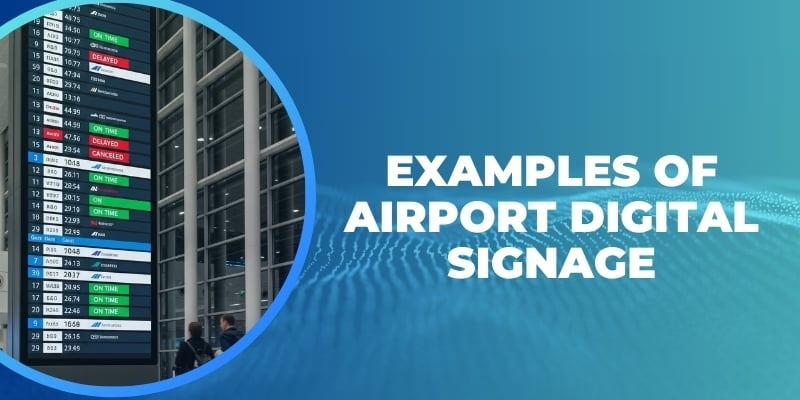
Digital transformation in airports refers to the integration of advanced technologies to modernize airport operations, improve passenger experiences, and enhance security and efficiency across terminals. This transformation replaces manual, fragmented processes with data-driven, automated, and connected systems.
Airports worldwide are adopting digital solutions such as biometric passenger processing, self-service kiosks, smart infrastructure, and data analytics to reduce wait times, optimize resources, and meet growing passenger expectations. These innovations enable faster check-ins, smoother baggage handling, and more secure travel environments.
In this article, we explore the key components of digital transformation in airports, the technologies driving this shift, real-world case studies, operational benefits, challenges, and what the future holds for digitally enabled airports.
What Is Digital Transformation in Airports?
Digital transformation in airports focuses on improving core airport processes such as passenger check-ins, baggage handling, security screening, and overall operational efficiency through technology. By replacing manual workflows with automated and data-driven systems, airports can manage passenger flow more effectively and reduce operational friction.
Studies highlight the measurable impact of this transformation, including a 23% reduction in passenger wait times, a 16% improvement in security efficiency, and an 8% increase in overall passenger satisfaction, demonstrating how digital solutions directly enhance airport performance and traveler experience.
Traditional Airports vs Digitally Transformed Airports
| Area | Traditional Airport | Digitally Transformed Airport |
|---|---|---|
| Check-in | Manual counters | Self-service & biometric |
| Passenger Flow | Physical queues | Virtual queuing |
| Data Usage | Limited | Real-time analytics |
| Security | Manual checks | Biometric verification |
| Decision Making | Reactive | Predictive & data-driven |
Key Components of Digital Transformation in Airports
Unlocking a new era in aviation, the impact of digital transformation on airports is evident through key components reshaping the industry.
From advanced biometrics enhancing security to smart infrastructure optimizing operations, these innovations redefine the passenger experience.
Let’s explore how data-driven decision-making, automation, and connectivity converge to propel airports into a more efficient and passenger-centric future.
Advanced Passenger Processing Systems

Let us explore the practical evolution of air travel through Advanced Passenger Processing Systems. Through the following text, you will develop an understanding of these innovative solutions that are transforming the efficiency and experience of airport journeys.
1. Biometric Technology
Embracing the digital transformation era in airports, Biometric Technology revolutionizes security measures. This innovative approach utilizes unique physical attributes such as fingerprints and facial recognition, enhancing identity verification processes.
With heightened accuracy and efficiency, biometrics ensures a seamless and secure passenger experience, marking a pivotal advancement in the evolving landscape of airport operations.
2. Self-Service Kiosks
Talking about digital transformation in airports, Self-Service Kiosks redefine the passenger experience. These automated stations empower travelers with efficient and personalized check-in processes.
From obtaining boarding passes to handling baggage, self-service kiosks streamline operations, minimize wait times, and exemplify a future where convenience meets innovation in air travel.
3. Virtual Queuing Systems
Another technology that is buzzing and has a great impact on passenger processing is virtual queuing at airports. This technology has various benefits, mainly improving the airport experience by reducing physical queues optimizing passenger flow, and providing passengers the opportunity to utilize their time better.
Airports are increasingly adopting virtual queue management solutions to streamline operations and enhance overall passenger satisfaction.
Smart Airport Infrastructure
As we dive into the transformative space of Smart Airport Infrastructure, we see that these cutting-edge systems integrate technology to optimize operations, ensuring a seamless, efficient, and passenger-centric travel experience.
1. IoT (Internet of Things) Integration
In the era of digital transformation trends, IoT (Internet of Things) Integration emerges as a cornerstone in reshaping airports. Connecting devices and systems, IoT enhances operational efficiency and passenger experiences.
From real-time monitoring of assets to optimizing resource management, its impact on airports is transformative, solidifying its role as a pivotal component in the ongoing evolution of the aviation industry.
2. Sensor Networks
As airports embrace digital transformation, Sensor Networks play a pivotal role in redefining their operational landscape. These interconnected systems, a key aspect in the ongoing digital transformation in airports, provide real-time data and insights.
By enhancing monitoring and decision-making processes, sensor networks contribute significantly to the overall impact of digital transformation, fostering a more efficient and responsive airport environment.
Data Analytics and Artificial Intelligence
Let us now discover the impact of Data Analytics and Artificial Intelligence in simplifying airport operations. These sophisticated tools go beyond numbers, providing valuable insights for informed decision-making.
In digital transformation, their collaboration shapes a more streamlined and efficient future for air travel, ensuring a smoother journey for passengers and optimizing overall airport performance.
1. Predictive Maintenance
In the sphere of business and customer experience analytics, Predictive Maintenance emerges as a game-changer for airport operations. This forward-thinking approach anticipates equipment issues before they occur, reducing downtime and ensuring optimal functionality.
By harnessing predictive insights, airports can enhance efficiency, reduce costs, and elevate overall performance, showcasing the profound impact of business analytics in shaping the future of maintenance strategies.
2. Operational Efficiency Improvements
Within airports’ digital transformation landscape, operational efficiency improvements stand out as a vital catalyst. These advancements not only streamline processes but also significantly impact airport operations.
By embracing digital transformation trends, airports witness heightened efficiency, reduced delays, and an overall improvement in performance, shaping a future where technology redefines the essence of operational excellence in air travel.
The Rewards of Digital Evolution in Airport Operations

Going further into this transformative process, let’s look into the substantial benefits of digital transformation in airports. This evolution reshapes airport operations, delivering rewards that enhance the travel experience for passengers and stakeholders alike.
1. Improved Passenger Experience
Elevating travel interactions, the impact of digital transformation on airports is evident in the improved passenger experience.
-
- Streamlined Processes: Efficiencies in check-in and boarding minimize wait times, ensuring a swift and hassle-free journey for passengers.
- Seamless Planning: Travelers experience smoother and more convenient pre-travel preparation by leveraging web and cloud appointments.
- Personalized Services: Driven by data analytics, airports offer tailored experiences to passengers, enhancing their journey.
- Enhanced Security Measures: Embracing biometric authentication contributes to a safer environment, ensuring robust security protocols for all travelers.
Together, these advancements signify a new era where digital transformation optimizes processes and prioritizes passenger satisfaction and security in the evolving landscape of airport operations.
2. Operational Efficiency and Cost Reduction
Optimizing airport operations through digital transformation yields operational efficiency and cost reduction.
- Automation of Routine Tasks expedites processes, reducing operational bottlenecks and enhancing overall efficiency.
- Optimized Resource Allocation ensures strategic deployment, preventing resource wastage and maximizing productivity.
- Energy Efficiency and Sustainability Initiatives form a cornerstone, aligning airports with environmentally conscious practices.
These measures collectively represent a concept shift towards more streamlined, sustainable, and cost-effective airport operations, showcasing the profound impact of digital transformation on airports, thus reshaping the aviation landscape.
3. Collaboration and Connectivity
Facilitated by digital transformation in airports, collaboration and connectivity redefine interactions.
- Integration with airlines and ground service providers streamlines operations, fostering a cohesive airport ecosystem.
- Seamless communication among airport stakeholders ensures swift decision-making, enhancing efficiency and responsiveness.
- Enhanced connectivity for passengers and staff, influenced by customer feedback, creates a more integrated and accessible travel experience.
This interconnected approach optimizes airport functionalities and prioritizes seamless communication, reflecting the transformative impact of digital evolution on collaboration within the aviation industry.
Challenges and Considerations

Challenges and considerations emerge alongside the transformative impact of airports’ dynamic digital transformation landscape.
- Cybersecurity Risks: As airports embrace digital evolution, safeguarding against cyber threats becomes paramount. The increased connectivity and data reliance presents new challenges, necessitating robust cybersecurity measures to protect sensitive information and ensure a secure operational environment.
- Regulatory Compliance: The impact of digital transformation on airports extends to compliance with evolving regulations. Meeting regulatory standards in data privacy and aviation safety becomes crucial, requiring airports to navigate a complex regulatory landscape to ensure adherence and maintain public trust.
- Employee Training and Change Management: Embracing digital transformation requires comprehensive employee training and change management. From adapting to new technologies to embracing revised operational procedures, ensuring a skilled and adaptable workforce is vital for successful implementation and sustained benefits.
- Interoperability Challenges: Achieving seamless integration of diverse digital systems poses a significant hurdle. Overcoming interoperability challenges is critical for ensuring smooth collaboration between different technologies and platforms, maximizing digital transformation initiatives’ overall efficiency and effectiveness.
Navigating these challenges underscores the importance of a holistic approach to digital transformation in airports, considering cybersecurity, regulatory compliance, workforce readiness, and interoperability to realize the full potential of the evolving aviation landscape.
Case Studies
1. Unlocking Efficiency: Wavetec’s Queuing Solutions in Cameroon
Wavetec’s Electronic Queue Management System proves pivotal in Cameroon’s significant airports, addressing challenges in eVisa processing. By revolutionizing the customer journey, from streamlined arrivals to efficient visa issuance, Wavetec enhances operational efficiency and reduces wait times.
The transformative impact extends beyond customer satisfaction, optimizing resource allocation, and offering real-time information.
The system benefits travelers with faster visa processing and positions airports at the forefront of digital evolution, showcasing the tangible benefits of embracing digital transformation trends in the aviation industry.
2. Enhancing Passenger Experience: Delta Sky Club’s Digital Transformation
Delta Airlines enhanced its service standards by integrating Wavetec’s Capacity Manager Solution at 9 Delta Sky Club lounges. This marked a significant stride in the digital transformation of airports, as the system efficiently managed and routed customer traffic.
The strategic move elevated the passenger experience and positioned Delta for further digital evolution, with plans to expand this transformative deployment to 30 more locations.
Delta’s adoption of Wavetec’s solution underscored the vital role of digital transformation in optimizing airport operations and enriching the overall traveler journey.
FAQs
What does digital transformation mean in airports?
It refers to using technology such as biometrics, IoT, automation, and analytics to improve airport operations and passenger experiences.
Why is digital transformation important for airports?
It helps reduce wait times, improve security, optimize resources, and meet growing passenger expectations.
What technologies are driving digital transformation in airports?
Key technologies include biometric systems, self-service kiosks, IoT sensors, AI-driven analytics, and virtual queuing systems.
Are digitally transformed airports more secure?
Yes. Digital systems enhance security through biometric verification, real-time monitoring, and predictive threat detection.
Conclusion
Digital transformation in airports is reshaping how airports operate, delivering faster processes, improved security, and better passenger experiences. By adopting technologies such as biometrics, self-service systems, and data analytics, airports can meet growing travel demands more efficiently.
While challenges such as cybersecurity and workforce adaptation remain, a well-planned digital strategy enables airports to operate smarter, safer, and more sustainably. Digital transformation is no longer optional—it is essential to the future of air travel.
BOOK A FREE DEMO