Bank branches have traditionally relied heavily on tellers to handle routine customer requests such as balance inquiries, cash deposits, withdrawals, and account updates.
For decades, this model served banks well, creating personal connections between customers and staff while processing the transactions that keep financial services moving. However, increasing customer volumes combined with the repetitive nature of routine service requests can overwhelm teller staff and reduce overall operational efficiency.
When tellers spend most of their day processing simple transactions, they have little time left for the complex advisory services that truly differentiate a bank from digital-only competitors.
Self service banking technology offers a powerful solution to this challenge. It allows customers to complete many banking tasks independently through digital kiosks and automated service systems.
These technologies help banks reduce teller workload while simultaneously improving customer convenience and service speed.
Approximately 81% of customers attempt to resolve their banking issues independently using digital or self-service tools before contacting a human representative.
By shifting routine transactions to self-service kiosks, banks can transform their branches from transaction-processing centers into relationship-building hubs where tellers and other staff focus on delivering value-added financial guidance.
What Is Self Service Banking Technology?
Self service banking technology refers to automated banking systems that allow customers to perform transactions without direct assistance from bank staff.
These systems are deployed across various environments (bank branches, ATMs, freestanding kiosks, and digital service channels) to give customers control over their banking activities.
Digital self service banking includes a range of technologies designed to handle routine transactions efficiently.
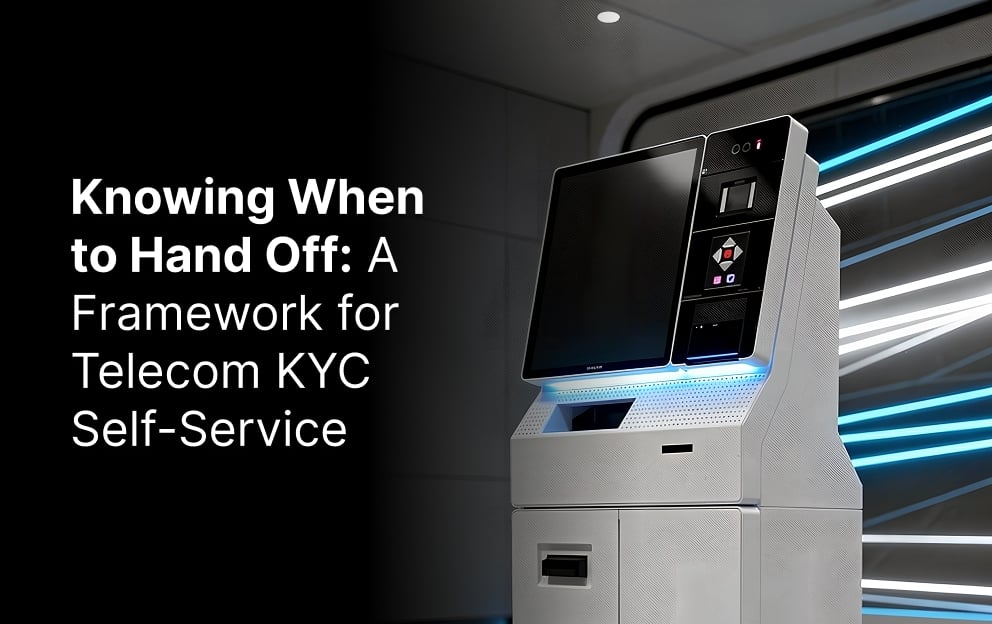
In branch environments, self-service kiosks provide functionality similar to teller stations, enabling customers to deposit checks, withdraw cash, make payments, and view account balances.
These systems connect directly to core banking platforms, processing transactions in real time with the same security and accuracy as a teller-assisted transaction.
Beyond physical kiosks, self-service banking includes mobile applications that allow customers to initiate transactions before arriving at the branch, online portals that handle account management remotely, and integrated systems that connect digital and physical channels seamlessly.
Together, these technologies create an ecosystem where customers can choose how and when to complete their banking tasks, reducing their dependence on teller assistance.
Why Banks Are Adopting Self Service Banking Technology
Banks are investing heavily in self-service technologies for reasons that go far beyond simple cost reduction. The strategic motivations driving adoption reflect fundamental shifts in how banks view their branch networks and customer relationships.
- Reducing teller workload is a primary objective. When self-service kiosks handle routine transactions, tellers are freed to focus on complex services that require human judgment and expertise: mortgage applications, investment advice, business banking consultations, and problem resolution. This shift transforms the teller role from transaction processor to financial guide, increasing job satisfaction while improving customer outcomes.
- Improving operational efficiency enables banks to serve more customers without expanding staff. A single self-service kiosk can handle hundreds of transactions daily, processing routine requests faster than a teller while requiring no breaks or shift changes. This efficiency helps banks manage peak demand periods without the cost of maintaining excess staff for occasional surges.
- Providing faster services to customers meets rising expectations for speed and convenience. Self-service transactions typically take a fraction of the time required for teller-assisted transactions. Customers who value efficiency can complete their banking quickly and move on with their day, improving overall satisfaction.
- Enabling 24/7 banking access extends branch capabilities beyond traditional operating hours. Self-service kiosks located in branch vestibules or exterior areas allow customers to perform transactions at any time, capturing business that would otherwise be lost to digital competitors.
- Supporting branch digital transformation positions bank branches as modern, technology-enabled environments. Self-service technology signals to customers that the bank is investing in innovation and values their time.
Implementing self-service technology leads to a significant reduction in in-branch foot traffic for routine banking needs, allowing bank staff to focus on more complex customer services.
Key Features of Self Service Banking Technology
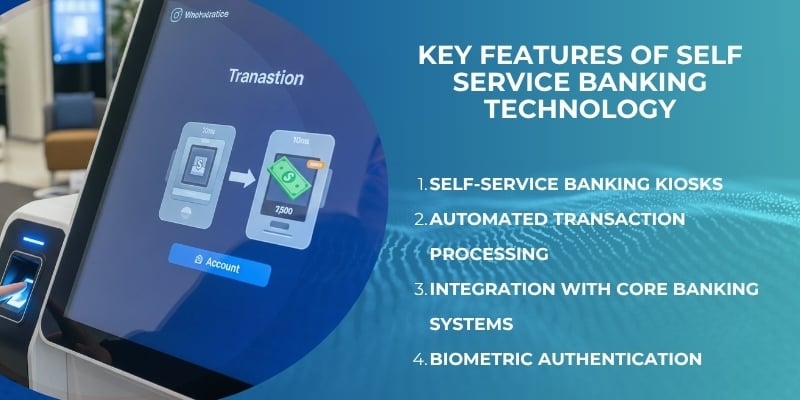
Modern self-service banking systems incorporate sophisticated features that deliver reliable, secure, and user-friendly experiences.
Self-Service Banking Kiosks
These freestanding units provide a full range of transaction capabilities typically found at teller stations. Customers can deposit checks and cash, withdraw funds, make loan payments, transfer money between accounts, and print account statements.
Advanced kiosks include document scanners for check deposit, cash acceptors with counterfeit detection, and card readers for account access.
The interface guides customers through each transaction with clear prompts and visual instructions, ensuring usability for customers of all technology comfort levels.
Automated Transaction Processing
Behind the user interface, automated systems handle the complexity of transaction processing. When a customer deposits a check, the system captures the image, verifies endorsement, checks account validity, and posts the deposit to the correct account; all within seconds.
This automation eliminates manual data entry, reduces error rates, and accelerates transaction completion compared to teller-assisted processing.
Integration with Core Banking Systems
Self-service platforms connect directly to bank core systems through secure, encrypted connections. This integration ensures that transactions are processed in real time with the same integrity as teller-assisted transactions.
Account balances update instantly, transaction histories reflect activity immediately, and security protocols enforce the same authentication requirements as staff-assisted channels.
Biometric Authentication
Advanced self-service kiosks incorporate biometric authentication options such as fingerprint scanning, palm vein recognition, or iris scanning. These technologies provide higher security than PIN-based authentication while simplifying the login process for customers.
Biometric authentication also enables faster transaction processing, as customers can identify themselves without entering credentials or inserting cards.
How Self Service Technology Reduces Teller Workload
The impact of self-service technology on teller workload is substantial and measurable. By handling routine transactions that would otherwise require teller assistance, these systems create capacity for higher-value work.
- Balance inquiries represent one of the most common teller requests. When customers can check balances at a kiosk or through a mobile app, tellers never see these transactions. For a busy branch, eliminating balance inquiry volume can reduce teller workload by 10 to 15 percent without affecting customer service.
- Bill payments consume significant teller time, particularly when customers bring multiple bills or require payment confirmations. Self-service kiosks process bill payments efficiently, accepting cash or check payments, printing receipts, and updating accounts instantly. Customers who pay bills at kiosks complete the transaction faster than they would at a teller station, and tellers remain available for more complex requests.
- Account updates such as address changes, contact information updates, and check reorders are ideal candidates for self-service handling. Kiosks can guide customers through these updates, verifying identity and processing changes without teller involvement. This shift eliminates administrative tasks that pull tellers away from transaction processing.
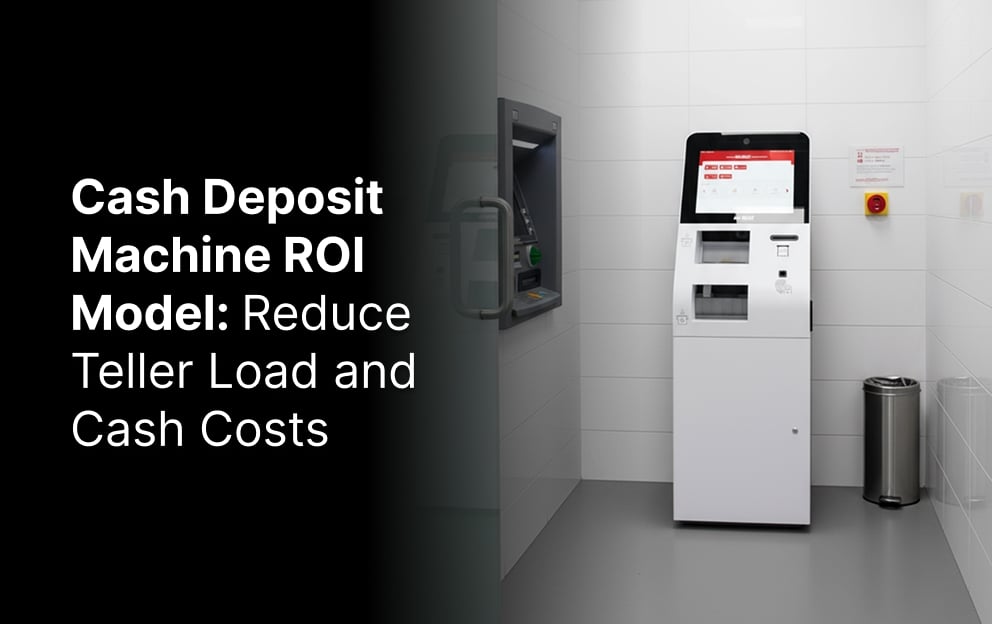
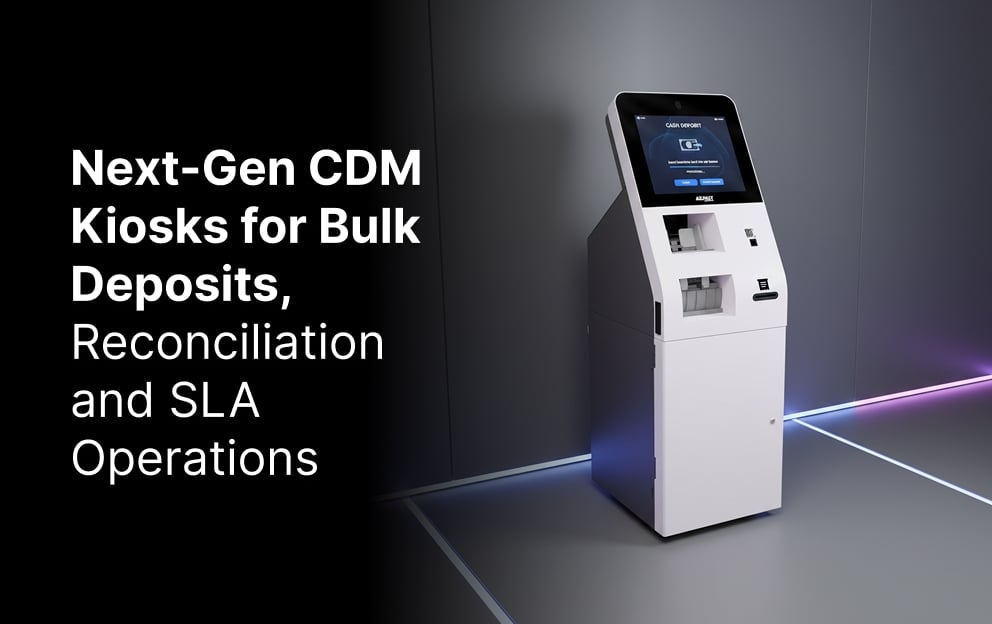
- Cash deposits are among the highest-volume teller transactions. Self-service kiosks with cash acceptance capabilities process deposits faster than tellers, particularly when customers have multiple checks or mixed cash and check deposits. By handling these transactions at kiosks, branches reduce wait times while freeing tellers for customer interactions that build relationships.
The cumulative effect of shifting these routine transactions to self-service channels is transformative. Tellers who previously spent 70 percent of their time on simple transactions can redirect that time to complex services, problem resolution, and relationship building.
This shift benefits both employees, who find their work more engaging, and customers, who receive more value from their branch visits.
Improving Customer Experience Through Self Service Banking
Self-service banking technology improves customer experience across multiple dimensions, creating benefits that extend beyond simple convenience.
- Reduced waiting times are immediately apparent in branches with self-service kiosks. When routine transactions are handled at kiosks, queues at teller stations shrink. Customers who prefer staff assistance experience shorter waits, while customers who prefer self-service enjoy nearly instantaneous service. This dual benefit addresses the needs of all customers regardless of their service preferences.
- Faster transactions result from streamlined interfaces designed for efficiency. Self-service kiosks eliminate the conversation time inherent in teller interactions, allowing customers to complete transactions in seconds rather than minutes. For customers who value speed and efficiency, this difference is significant.
- Convenient banking access extends beyond branch hours. Self-service kiosks located in accessible areas allow customers to perform transactions before work, after hours, and on weekends when tellers are unavailable. This accessibility is particularly valuable for customers with demanding schedules who cannot visit during traditional banking hours.
- Improved service availability ensures that customers never wait for teller availability to complete simple transactions. Even during peak periods when teller queues are longest, self-service kiosks remain available and ready to process transactions. This reliability reduces frustration and gives customers confidence that they can complete their banking needs on their own schedule.
Integrating Self Service Banking with Branch Technologies
Self-service banking systems achieve their full potential when integrated with other branch technologies, creating seamless experiences that span digital and physical channels.
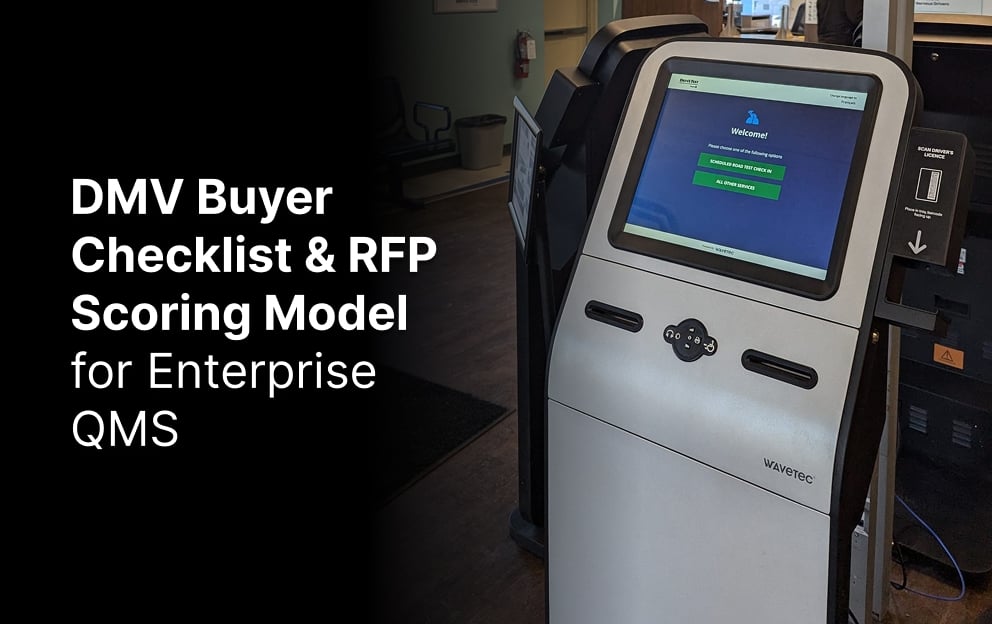
- Queue management systems connected to self-service kiosks enable coordinated service delivery. When customers check in at kiosks for complex services that require staff assistance, the queue system captures their arrival and routes them appropriately. This integration ensures that customers who begin at a kiosk transition smoothly to staff assistance without confusion or duplicate effort.
- Digital signage displays queue status, wait times, and service information that complements self-service operations. Customers using kiosks can see their position in any queue they have joined, while waiting customers receive updates that reduce perceived wait times.
- Appointment scheduling platforms allow customers to book time with specialists for complex services. Self-service kiosks can confirm appointments upon arrival, updating queue systems and notifying staff that the customer is ready. This integration eliminates the friction of separate appointment and arrival processes.
- Customer journey platforms orchestrate interactions across all channels, tracking customers from appointment booking through self-service check-in to staff-assisted service completion. This comprehensive view enables banks to understand how customers use different channels and identify opportunities for service improvement.
Benefits of Self Service Banking Technology for Banks
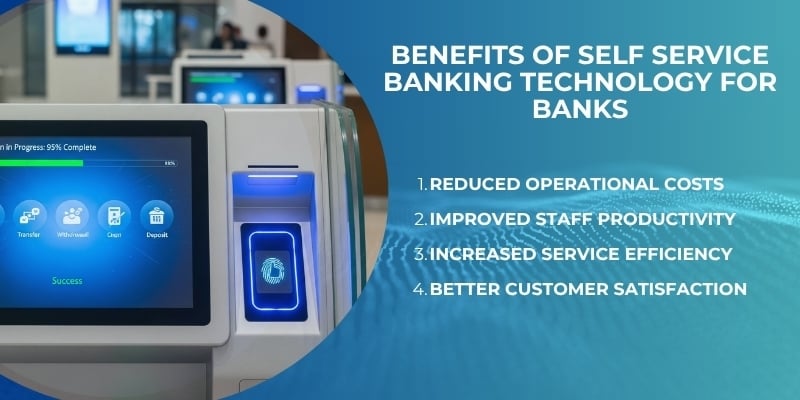
The advantages of implementing self-service systems extend across financial, operational, and strategic dimensions.
- Reduced operational costs result from lower staffing requirements for routine transactions. While self-service kiosks require upfront investment, they reduce ongoing labor costs by automating transactions that would otherwise require teller time. For large branch networks, this cost reduction can be substantial.
- Improved staff productivity enables banks to generate more value from their workforce. When tellers spend less time on routine transactions, they contribute more to revenue-generating activities such as loan origination, account opening, and wealth management services. This shift improves both employee engagement and financial performance.
- Increased service efficiency allows banks to serve more customers without expanding branch footprints. Self-service kiosks process transactions faster than tellers, increasing the throughput of each branch location. This efficiency enables banks to accommodate growth without the capital expense of new branches.
- Better customer satisfaction flows from faster service, reduced wait times, and greater convenience. Customers who can complete routine transactions quickly and independently report higher satisfaction with their banking experience.
Scalable branch operations become possible as self-service technology handles variable transaction volumes. Branches can add self-service capacity during peak periods without hiring additional staff, creating flexible operations that adapt to demand.
Challenges Banks Face Without Self Service Technology
Banks that have not adopted self-service technology face persistent operational challenges that affect both efficiency and customer experience.
- Long queues in branches develop during peak periods when all customers require teller assistance. Without self-service options to handle routine transactions, every customer adds to the queue, creating waits that frustrate customers and stress staff.
- Overloaded teller staff struggle to process high transaction volumes while maintaining quality service. The pressure to move quickly can lead to errors, reduced service quality, and employee burnout. Tellers who spend their days processing routine transactions have little opportunity to develop the advisory skills that add value to customer relationships.
- Slower service delivery affects all customers when every transaction requires staff assistance. Even customers with complex needs that justify staff time must wait behind customers with simple transactions, reducing the efficiency of the entire branch operation.
- Inefficient branch operations result from misalignment between staff skills and transaction types. Highly trained tellers capable of complex problem solving spend their time on tasks that require minimal skill, while customers with complex needs wait for attention that tellers could provide if they had capacity.
Future of Self Service Banking Technology
Emerging trends in self-service banking technologies point to increasingly sophisticated systems that will further transform branch operations.
- AI-powered kiosks will incorporate artificial intelligence to provide personalized guidance and predictive assistance. These systems will recognize returning customers, anticipate their likely transactions based on history, and offer proactive suggestions for services they may need. AI capabilities will also enable natural language interaction, allowing customers to speak their requests rather than navigating menus.
- Biometric authentication will become standard across self-service channels, eliminating the need for cards and PINs. Fingerprint, iris, and facial recognition technologies will provide secure, frictionless access that accelerates transaction processing while improving security.
- Smart branch technologies will create environments where self-service kiosks, digital signage, queue systems, and staff workstations operate as an integrated ecosystem. This integration will enable seamless transitions between self-service and staff-assisted service, with systems recognizing customers as they move through the branch.
- Omnichannel banking experiences will connect self-service kiosks with mobile apps, online banking, and call centers, allowing customers to start transactions on one channel and complete them on another. A customer might deposit a check at a kiosk, receive a notification on their mobile app, and later discuss the deposit with a call center representative; all with consistent information and seamless handoffs.
Real-World Use Cases of Self Service Banking Technology
Automated branch kiosks have transformed high-volume branches in urban centers, where space constraints and customer volumes make efficiency essential.
These branches deploy kiosks for all routine transactions, reserving staff time for complex services that require human judgment.
- Self service account opening enables new customers to establish relationships without waiting for staff availability. Kiosks guide customers through identity verification, account selection, and initial funding, creating new accounts in minutes rather than hours.
- Digital payment kiosks located in business districts allow commercial customers to make deposits and payments outside normal banking hours. These kiosks accept large cash and check deposits, providing essential services for businesses that cannot visit during traditional hours.
- Customer service automation at self-service kiosks handles common requests such as debit card replacement, check orders, and statement printing. These automated services free staff to focus on complex issues that genuinely require human intervention.
Frequently Asked Questions About Self Service Banking Technology
What is self service banking technology?
Self service banking technology includes digital tools such as kiosks, ATMs, and automated banking systems that allow customers to complete banking transactions independently without assistance from bank staff. These systems handle routine tasks like deposits, withdrawals, and account inquiries.
How does self service banking technology reduce teller workload?
Self service systems handle routine banking transactions such as deposits, balance inquiries, and bill payments, allowing tellers to focus on complex customer needs and advisory services. This shift transforms the teller role from transaction processing to relationship building.
What are the benefits of self service banking technology?
Benefits include improved operational efficiency, reduced queues, enhanced customer convenience, better branch resource utilization, and the ability to offer 24/7 banking access. Banks also benefit from reduced transaction costs and improved staff productivity.
Where is self service banking technology commonly used?
It is widely used in bank branches, ATM zones, self-service kiosks, and digital banking environments. Self-service technologies are deployed in branch vestibules for after-hours access, in lobby areas for routine transactions, and in standalone locations serving specific customer needs.
Conclusion
Self service banking technology plays an essential role in reducing teller workload and improving operational efficiency in bank branches.
By enabling customers to complete routine banking tasks independently through automated kiosks and digital systems, banks can transform their branch operations from transaction-focused centers to relationship-building environments.
The shift to self service banking solutions benefits all stakeholders. Customers enjoy faster service, reduced wait times, and the convenience of 24/7 access to banking services.
Tellers experience more engaging work as they focus on complex financial guidance rather than repetitive transactions. Banks achieve operational efficiencies, reduced costs, and improved customer satisfaction.
As customer expectations for speed and convenience continue to rise, self-service banking technology will remain essential for banks seeking to optimize branch operations while delivering the high-quality service that builds lasting customer relationships.
BOOK A FREE DEMO