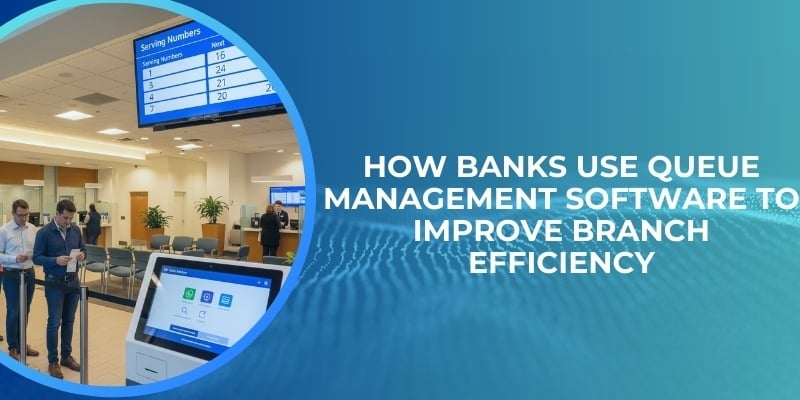
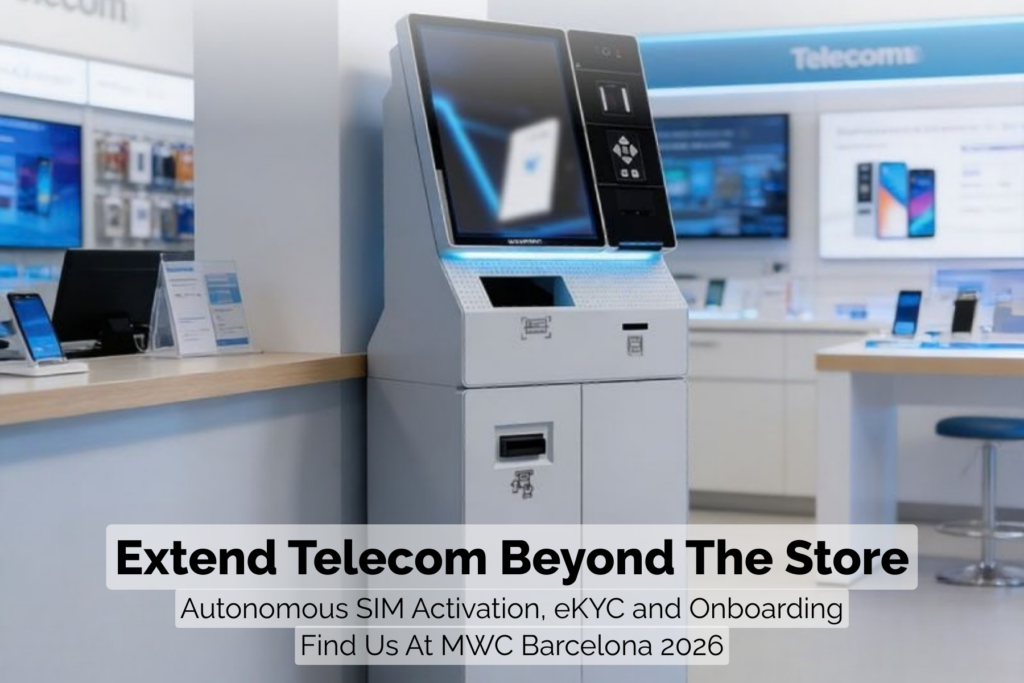
An airport kiosk is a self-service terminal used in airports to help passengers complete check-in and other travel tasks faster. These systems reduce queues and improve passenger flow across busy terminals.
What is Airport Kiosk
An airport kiosk is a user-friendly machine found in airports that allows travelers to handle various tasks independently without waiting at traditional service counters. These systems operate as a self service kiosk, enabling passengers to complete check-in and other pre-boarding activities without direct assistance from airport staff.
Airport kiosks are strategically located in high-traffic areas within airport terminals to manage large passenger volumes efficiently. Using an airport kiosk, travelers can check in for flights, print boarding passes, select seats, and generate baggage tags, helping reduce wait times and improve overall convenience.
According to Market Intelo, Airport self-service kiosk market reached $3.1 billion in 2024 and is forecasted to hit $7.8 billion by 2033 at a CAGR of 10.9%.
By interacting with the touch-screen interface of a self service kiosk, passengers can complete essential travel tasks quickly and efficiently, allowing airport staff to focus on more complex customer service needs.
How Does an Airport Kiosk Work?
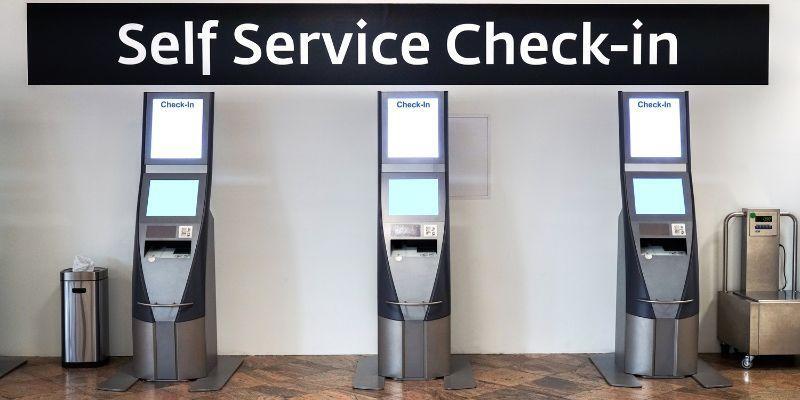
Airport kiosks follow a guided, on-screen process that allows passengers to complete essential pre-boarding tasks quickly and independently. These systems are designed to simplify airport procedures and reduce the need for manual assistance at traditional service counters.
Check-In Process
Airport kiosks make the check-in process simple and efficient. Passengers can enter their booking details or scan their tickets at the airport kiosk to begin check-in.
The touch-screen interface then guides travelers through seat selection, boarding pass printing, and, in some cases, luggage tagging. With the integration of people counting technology, airport kiosks help manage passenger flow more effectively and reduce congestion at traditional check-in counters, creating a smoother experience for travelers.
Baggage Drop-Off
Airport kiosks also support a faster baggage drop-off process. After completing check-in at the airport kiosk, passengers proceed to the designated baggage drop area.
They attach the printed baggage tags to their luggage and place it on the conveyor belt. Airport staff remain available to assist when needed, but the self-service process helps save time and keeps passenger movement efficient from check-in to boarding.
Boarding Pass and Seat Selection
Using an airport kiosk, passengers can easily print boarding passes and select or change their seats. After starting the check-in process, travelers follow on-screen prompts to review available seating options and confirm their choices.
Once completed, the airport kiosk prints the boarding pass, giving passengers greater control over their journey and reducing reliance on airline counters.
Additional Services
In addition to check-in, airport kiosks offer several helpful services that enhance the airline customer experience. Travelers may be able to reprint boarding passes, update flight details, or make changes such as seat upgrades, depending on airline availability.
By offering these additional self-service options, airport kiosks streamline airport processes while providing passengers with greater convenience and flexibility.
Airport Kiosk vs Traditional Check-In Counter
| Feature | Airport Kiosk | Check-In Counter |
|---|---|---|
| Waiting Time | Short | Long |
| Passenger Control | High | Limited |
| Availability | 24/7 | Staff dependent |
| Queue Length | Minimal | Often crowded |
| Processing Speed | Fast | Slower |
Who Should Use Airport Kiosks?
Airport kiosks are ideal for travelers who want a faster and more independent airport experience, including:
• Frequent flyers
• Business travelers
• Passengers with standard luggage
• Travelers who prefer contactless check-in
• Passengers checking in without special assistance requirements
Where Airport Check-In Kiosks Are Commonly Used
Airport check-in kiosks are becoming a popular feature in terminals, providing passengers with a fast and efficient way to check in for their flights. Here are the main places where you’ll typically find these kiosks:
1. Main Terminal Areas
Usually located near airline check-in counters, making them easily accessible for passengers to quickly check in without waiting in long lines.
2. Near Self-Check-In Areas
In larger airports, kiosks are often placed in dedicated self-service areas to help ease congestion during peak travel times.
3. Dedicated Airline Counters
Some airlines set up kiosks directly at their check-in counters, allowing passengers to quickly get their boarding passes and luggage tags.
4. VIP and Business Lounges
Airports often place kiosks in premium areas for business travelers to streamline the check-in process and enhance their experience.
5. Departure Gates
In some airports, kiosks can be found near departure gates for last-minute check-ins or if you missed the earlier kiosks in the terminal.
These kiosks are everywhere in modern airports, providing faster and more efficient travel experiences for passengers.
Features and Functionalities of Airport Kiosks
We will now examine the features and functions of airport kiosks and what they can achieve for passengers and improve the overall customer journey.
- Check-in Services: Print boarding passes, select seats, and bypass long queues.
- Baggage Tag Printing: Self-tag luggage and streamline the check-in process.
- Flight Information: Real-time updates on departure/arrival times, gate numbers, and delays.
- Boarding Pass Reprint: Quickly retrieve lost or forgotten passes.
- Seat Upgrades and Changes: Flexibility to upgrade or change seats pre-boarding.
- Airport Services Information: Locate amenities, restaurants, shops, and transportation options.
- Accessibility Features: Designed for inclusivity with adjustable height screens, tactile buttons, and audio instructions.
- Language Options: Multiple language support for international travelers.
- Customized Promotions and Offers: Exclusive deals from airlines, retailers, and airport businesses.
- Customer Service Assistance: Video chat or remote support for inquiries or issues.
Advantages of Self-Service Kiosks

Airport kiosks offer several advantages for both passengers and airport operators by improving efficiency, reducing wait times, and enhancing the overall travel experience. These self-service systems have become an essential part of modern airport operations.
Let’s dive into the advantages of self-service kiosks and how they contribute to a hassle-free journey for passengers.
- Enhanced Passenger Experience
- Reduction In Queues and Wait Times
- Increased Operational Efficiency for Airlines and Airports
- Cost Savings and Revenue Generation Opportunities
1. Enhanced Passenger Experience
Airport kiosks significantly improve the passenger experience by giving travelers more control over their journey. Passengers can check in, print boarding passes, select seats, and manage basic travel tasks independently, without relying on airline staff.
This convenience reduces stress, especially during peak travel times, and allows passengers to move through the airport at their own pace.
2. Reduction in Queues and Wait Times
One of the biggest advantages of airport kiosks is their ability to reduce queues at traditional check-in counters. When integrated with a queue management system, airport kiosks help distribute passenger traffic more evenly across terminals and service areas.
This results in shorter wait times, smoother passenger flow, and less congestion in high-traffic airport zones.
3. Increased Operational Efficiency for Airlines and Airports
Airport kiosks help airlines and airports operate more efficiently by automating routine processes such as check-in and boarding pass printing. When combined with business analytics, these kiosks provide valuable insights into passenger behavior, peak travel times, and service performance.
This data-driven approach allows airports and airlines to optimize staffing, improve resource allocation, and deliver more consistent service levels.
4. Cost Savings and Revenue Generation Opportunities
Implementing airport kiosks can lead to significant cost savings by reducing the need for fully staffed check-in counters. At the same time, kiosks create new revenue opportunities by allowing airlines to promote seat upgrades, extra baggage options, and other ancillary services during the check-in process.
Airports can also use kiosk screens for advertising and promotions, generating additional revenue streams while improving overall operational efficiency.
Implementations and Real-Life Cases
1. Advancing Airport Efficiency with Delta Airlines’ Self-Service Kiosks
Delta Airlines partnered with Wavetec to deploy self-service kiosks at airport lounges, developing passenger experience and operational efficiency.
These kiosks offer paperless ticketing, real-time queue updates, and seamless feedback mechanisms, reducing queuing times and increasing passenger satisfaction.
The deployment of self-service kiosks not only improves customer service, optimizes resource allocation, and reduces operational costs.
Through insightful analytics and reporting, airlines like Delta are poised to achieve higher ROI and industry-leading standards in customer service, steering in a new era of airport travel.
2. Enhancing Customer Service with Wavetec’s Kiosks at Emirates
Wavetec’s partnership with Emirates Airline revolutionized customer service across 71 global stations. By deploying an end-to-end solution including electronic queue management and central reporting software, Emirates enhanced efficiency and customer satisfaction,
Smart LCD touch-screen self-service kiosks enable streamlined customer categorization and priority calling, reducing wait times. The centralized reporting system facilitated real-time service quality and staff performance monitoring, empowering Emirates to optimize resources.
With tailored solutions and branded self-service kiosks reflecting Emirates’ corporate identity, Wavetec provided a near-perfect customer experience.
Future Trends Check In Kiosk
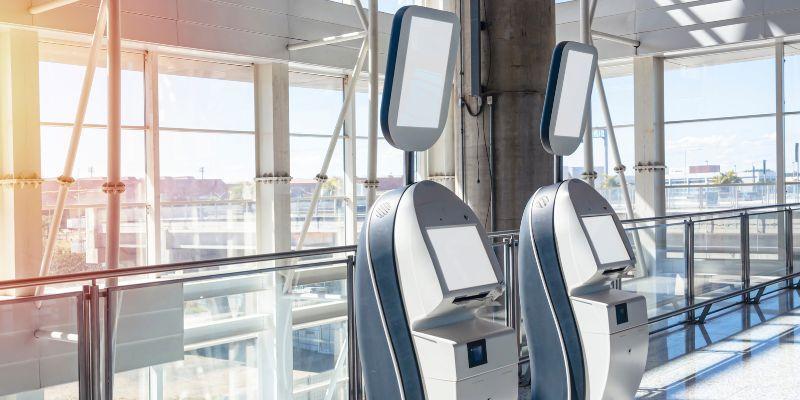
The future of airport self-service kiosks holds exciting possibilities as technological advancements continue to shape the travel experience.
From biometric authentication to artificial intelligence-driven personalization, the evolution of airport kiosks promises to revolutionize passenger interactions and modernize airport operations.
Let’s look at the future o and emerging trends that redefine the role of self-service kiosks in the aviation industry.
- Innovations In Self-Service Kiosk Technology
- Integration With Biometrics and Facial Recognition
- Expansion Into Additional Airport Services
- Potential Challenges and Opportunities in A Post-Pandemic Travel Landscape
1. Innovations in Self-Service Kiosk Technology
Advancements in self-service kiosk technology at airports are transforming the travel experience. With user-friendly interfaces and intuitive functionalities, passengers can effortlessly check in, print boarding passes, and even select seats at the airport kiosk. These innovations streamline processes, reducing wait times and enhancing overall efficiency.
2. Integration with Biometrics and Facial Recognition
Integrating biometrics and facial recognition technology into airport kiosks revolutionizes identity verification processes. Kiosks scan passengers’ biometric data, such as fingerprints or facial features, to ensure secure and efficient check-ins.
3. Expansion into Additional Airport Services
Airport kiosks are expanding beyond check-in functionalities to offer a broader range of services. Passengers can now utilize kiosks to print luggage tags, update flight information, and purchase additional services like lounge access or in-flight amenities. This expansion enhances the convenience and flexibility of self-service options at airports.
4. Potential Challenges and Opportunities in A Post-Pandemic Travel Landscape
The post-pandemic travel landscape presents both challenges and opportunities for airport kiosks. While hygiene and social distancing concerns may impact passenger interactions with kiosks, advancements in contactless technology offer solutions to address these concerns.
The shift towards digitalization and self-service options also presents opportunities for further innovation and customization in airport services, ensuring passengers’ safe and uniform travel experience.
FAQs
What is an airport kiosk used for?
Airport kiosks are used for flight check-in, boarding pass printing, seat selection, baggage tagging, and accessing travel information.
Is an airport kiosk the same as a self check-in kiosk?
A self check-in kiosk is a type of airport kiosk. Airport kiosk is a broader term that includes check-in, information, and service kiosks.
Can I drop baggage using an airport kiosk?
Most airlines allow passengers to print baggage tags at airport kiosks and drop luggage at designated counters.
Are airport kiosks available at all airports?
Most major domestic and international airports use airport kiosks, though availability depends on the airline and terminal.
Final Words
Airport kiosks have become an essential part of modern air travel, offering faster check-in, reduced queues, and improved passenger convenience. By allowing travelers to manage pre-boarding tasks independently, airport kiosks help airports and airlines operate more efficiently.
As technology continues to evolve, airport kiosks will play an even greater role in delivering contactless, personalized, and seamless travel experiences for passengers worldwide.
BOOK A FREE DEMO