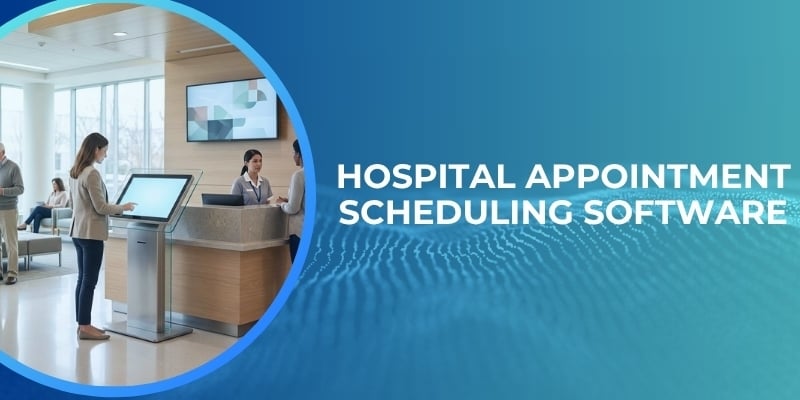
Patient flow in hospitals refers to the movement of patients through various stages of care in a hospital or clinic, from admission to discharge. It includes all the processes involved in patient care, including triage, diagnosis, treatment, and follow-up.
Efficient patient flow is not just crucial for delivering quality healthcare, but also for alleviating the workload of healthcare professionals.
It ensures patients receive timely care, decreases wait times, and improves overall hospital efficiency, thereby acknowledging the efforts of our dedicated healthcare professionals.
Hospitals with adjusted patient flow can better manage resources, increase patient satisfaction, and improve clinical outcomes.
Research shows that reducing patient wait times by just 10% can lead to a tangible increase in patient satisfaction and reduced hospital overcrowding.
Hospitals with optimized patient flow can better manage resources, increase patient satisfaction, and improve clinical outcomes.
This article explores the key strategies and best practices for improving hospital patient flow.
We’ll cover a variety of approaches, from implementing triage systems to using cutting-edge virtual queue technology. This focus on technology underscores the role of hospital administrators in driving innovation and enhancing patient flow efficiency.
What Is Patient Flow in Hospitals?
Patient flow in hospitals refers to the movement of patients through different stages of care, from admission to discharge.
Efficient patient flow ensures timely treatment, reduced wait times, better resource utilization, and improved patient outcomes.
Why Patient Flow Matters
Efficient patient flow is critical for enhancing hospital operations and improving patient outcomes. The following points highlight why it is so important:
1. Improved Patient Care:
When patient flow optimization is implemented, patients receive timely care, which leads to better health outcomes and faster recovery. Reducing wait times in hospitals ensures that patients with urgent needs are treated immediately.
In contrast, poor patient flow can result in prolonged wait times, leading to poorer outcomes, especially in emergency or critical care situations.
2. Reduced Wait Times:
Long wait times are one of the top complaints from patients. Optimizing patient flow helps reduce waiting times across various departments, which significantly improves overall patient satisfaction in hospitals. It also ensures that high-demand areas, such as emergency departments (EDs), aren’t overcrowded, allowing hospitals to better manage patient intake.
3. Increased Hospital Efficiency:
A hospital with optimized patient flow can better allocate resources such as medical staff, equipment, and hospital beds. Efficient hospital resource allocation ensures that patient care is timely, and critical resources are not wasted. This approach prevents bottlenecks and allows hospitals to operate at peak efficiency, ensuring that resources are used optimally.
4. Enhanced Staff Satisfaction:
Hospital staff, including nurses, doctors, and administrative workers, benefit from smooth patient flow. When patients move through the system efficiently, staff can focus more on providing quality care rather than dealing with delays and bottlenecks.
This can lead to higher job satisfaction and reduced staff burnout, which is critical in an environment where staffing shortages are common.
5. Better Patient Satisfaction:
Patients who experience timely care, minimal waiting, and smooth transitions between departments are more likely to feel satisfied with their experience. Real-time patient tracking allows staff to monitor patient movement and update patients about their expected wait times, which also improves overall patient satisfaction in hospitals.
6. Reduced Overcrowding:
Efficient patient movement helps hospitals better manage hospital bed management during peak times, reducing overcrowding and long waits. Optimizing patient movement ensures that beds are turned over efficiently, making space for new patients.
This helps hospitals avoid delays in care and ensures that patients receive timely treatment without unnecessary waiting.
7. Cost-Effective Operations:
Hospitals face increasing financial pressures, and inefficiencies in patient flow can lead to unnecessary costs, such as extended stays or underused resources. Optimizing patient flow ensures that hospital resources are used effectively, reducing waste and minimizing unnecessary expenses.
Hospitals with better hospital resource allocation are more likely to operate efficiently while maintaining high-quality care.
What Is Patient Flow Optimization?
Patient flow optimization is the process of improving how patients move through a healthcare facility by reducing delays, eliminating bottlenecks, and improving coordination between departments.
It focuses on ensuring that patients receive the right care at the right time while maximizing the use of hospital resources.
How to Improve Patient Flow in Hospitals
Hospitals can improve patient flow by:
- Implementing efficient triage systems
- Reducing admission delays
- Streamlining discharge processes
- Using digital queue management systems
- Offering online appointment scheduling
- Leveraging real-time patient tracking
These strategies help reduce wait times and improve operational efficiency.
8 Strategies for Improving Patient Flow in Hospitals
The following strategies aim to help hospitals and clinics improve patient flow, leading to a better patient experience and more efficient resource management.
Each strategy addresses a specific aspect of the patient flow process, providing a comprehensive approach to improving hospital operations.
- Implementing Triage Systems
- Streamlining Admission Processes
- Enhancing Discharge Procedures
- Optimizing Resource Allocation
- Implement Queue Management System
- Leverage The Benefit of The Virtual Queue System.
- Offer Online Appointment System
- Implementing Rapid Response Teams
1. Implementing Triage Systems
A well-organized triage system is a foundational element for improving hospital patient flow. Triage involves assessing the severity of patients’ conditions upon arrival, allowing hospitals to prioritize care based on urgency.
Effective triage reduces unnecessary delays and ensures that critical cases receive immediate attention.
A common approach to triage is to assign patients into categories based on the urgency of their condition. This categorization allows healthcare workers to manage patient flow more effectively.
For example, a patient with a life-threatening condition is immediately taken to the emergency department, while those with minor ailments are directed to appropriate care pathways.
Hospitals can align patient flow by implementing triage systems. This approach ensures that resources are used efficiently and patients receive the appropriate level of care. It also helps reduce congestion in emergency departments and waiting rooms.
2. Streamlining Admission Processes
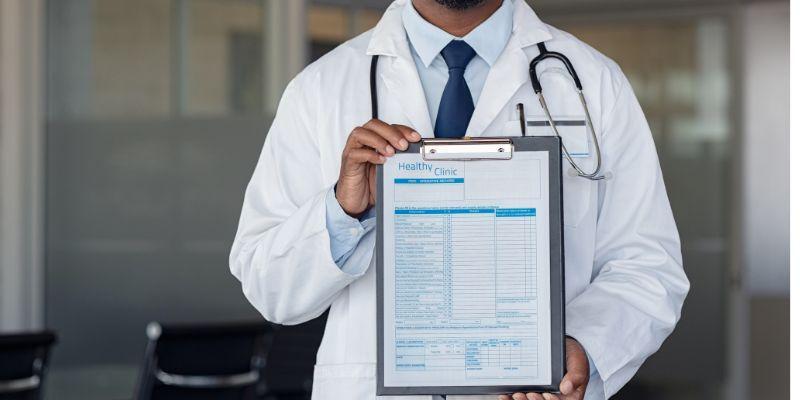
Admission processes can be a significant bottleneck in hospitals, leading to long wait times and patient frustration.
Streamlining admission processes is essential for improving patient flow in hospitals. Hospitals can take several steps to reduce delays and improve the patient experience.
One effective strategy is to use electronic registration systems. This approach allows patients to complete their information electronically, reducing the need for manual paperwork.
Hospitals can also use pre-admission procedures, where patients provide their information beforehand, speeding up the check-in process.
Well-structured and smooth admission processes improve patient flow efficiency and reduce stress for patients and staff.
When patients can quickly complete their admission, they are more likely to have a positive experience, leading to higher satisfaction rates and better patient outcomes.
3. Enhancing Discharge Procedures
An often overlooked aspect of patient flow in hospitals is the discharge process. Delays in discharge can cause significant bottlenecks, affecting bed availability and patient turnover rates.
Improving discharge procedures is a crucial strategy for improving patient flow.
Hospitals can implement discharge checklists to ensure all necessary steps are taken before a patient leaves.
These checklists help healthcare workers coordinate with different departments, guaranteeing that all documentation is complete, medications are provided, and follow-up appointments are scheduled.
Effective communication between healthcare teams and patients is also crucial.
By increasing discharge procedures, hospitals can reduce patient stay length, allowing for more efficient bed turnover.
This approach improves patient flow and boosts patient satisfaction by providing clear instructions for post-discharge care.
4. Optimizing Resource Allocation
Resource allocation is a critical factor in improving patient flow in hospitals. This includes the management of beds, medical equipment, and staff.
Efficient resource allocation can prevent bottlenecks and ensure that patients receive timely care.
Hospitals can use data-driven approaches to improve resource allocation. For example, predictive analytics can help hospitals anticipate patient demand and adjust resource allocation accordingly.
This approach allows hospitals to allocate beds and medical equipment more effectively, reducing delays and improving overall efficiency while managing patient flow.
Cross-training staff is another strategy for adjusting resource allocation. When staff members are trained to perform multiple roles, hospitals have greater flexibility in managing patient flow.
This approach also reduces the risk of understaffing in critical areas, ensuring patient care is maintained.
5. Implement Queue Management Systems
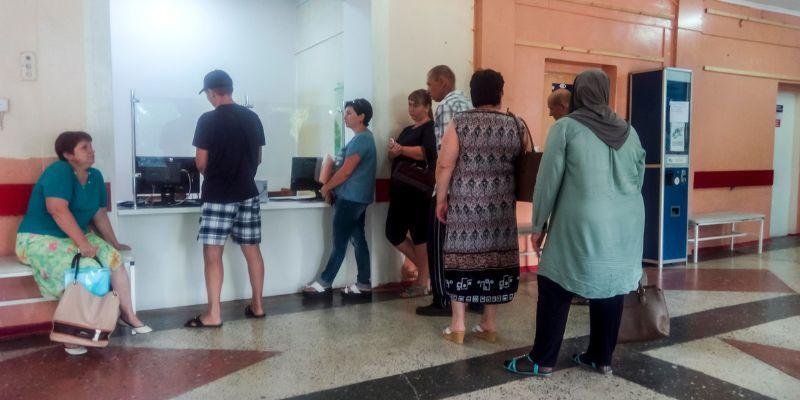
Queue management systems play a crucial role in managing patient flow in hospitals. These systems organize patient wait times and direct them to the appropriate departments, reducing congestion in waiting rooms and common areas.
Hospitals can improve patient flow by providing a more orderly experience by implementing clinic queue management systems.
These systems use electronic displays and notifications to guide patients to the correct locations. This approach reduces confusion and allows hospitals to manage patient traffic more effectively.
Queue management systems can also help hospitals collect data on patient flow patterns, allowing for further improvements.
By analyzing this data, hospitals can identify blocks and make adjustments to improve the overall patient flow process.
6. Leverage the Benefit of the Virtual Queue System
A virtual queue system is an advanced approach to managing hospital patient flow. This system allows patients to join a virtual line and receive notifications when it’s their turn.
This technology reduces physical crowding in waiting rooms, providing patients more flexibility and a more comfortable experience.
Utilizing the virtual queue system’s benefits can improve patient flow by distributing patient visits more evenly throughout the day.
It also allows hospitals to manage patient flow more effectively by reducing staff stress and improving overall organization.
Virtual queue systems can also increase patient satisfaction. Patients who can wait in a more relaxed environment are less likely to feel stressed or impatient.
This contributes to a better overall hospital experience and can lead to improved patient results.
7. Offer Online Appointment Systems
Online appointment systems are an effective way to improve patient flow in hospitals. Hospitals can reduce wait times and better manage resource allocation by allowing patients to schedule visits at their convenience.
This system can also reduce the workload on administrative staff, allowing them to focus on other tasks.
Offering online appointment systems can significantly improve patient satisfaction. Patients appreciate the convenience of scheduling appointments online, and it helps hospitals plan their resources more effectively.
This system also allows hospitals to manage patient flow by distributing appointments daily, reducing overcrowding risk.
Hospitals can integrate online appointment systems with other patient flow management tools, creating a seamless patient experience.
This integration can improve patient flow, leading to a more efficient and organized hospital environment.
8. Implementing Rapid Response Teams

Rapid response teams are specialized units designed to handle emergencies quickly and efficiently.
By having these teams available, hospitals can manage critical situations without disrupting other areas. Implementing rapid response teams is a crucial strategy for improving hospital patient flow.
Rapid response teams consist of experienced healthcare professionals trained to respond to emergencies. These teams can assess situations, provide immediate care, and coordinate with other departments to ensure a smooth response.
Hospitals can minimize delays and maintain efficient patient flow by having a rapid response team in place.
These teams also play a crucial role in improving patient outcomes. By addressing emergencies quickly, rapid response teams can save lives and reduce the risk of complications.
This approach contributes to a more effective and efficient hospital environment, ensuring patient flow remains smooth even in critical situations.
Common Challenges in Patient Flow Management
Hospitals often face challenges such as:
- Overcrowding during peak hours
- Delays in admissions and discharge
- Lack of coordination between departments
- Limited staff or resources
Addressing these challenges is key to improving patient flow.
Benefits of Improving Patient Flow
Improving patient flow helps:
- Reduce patient wait times
- Improve patient satisfaction
- Optimize hospital resource utilization
- Enhance staff productivity
- Improve overall healthcare outcomes
Case Study: Improving Patient Flow In Healthcare Facilities
Improving Patient Flow at McLeod Health with Wavetec’s UNO-Q System
Wavetec’s UNO-Q system is designed to improve hospital patient flow by adjusting queuing and reducing wait times.
McLeod Health, a primary healthcare provider, implemented UNO-Q across 45 medical centers to boost patient journeys.
UNO-Q is a call-forward queuing system that increases efficiency, allowing patients to navigate single-line queues with reduced wait times and less stress.
The system’s integration with other technologies provides a smooth patient experience, ensuring smoother movement through the hospital.
With a global reach, Wavetec’s solutions are ideal for improving hospital patient satisfaction and overall patient flow.
The system helped McLeod Health to modernize its operations, leading to better patient care and more efficient hospital management.
FAQs About Patient Flow in Hospitals
What is patient flow in hospitals?
It refers to how patients move through different stages of care, from admission to discharge.
How can hospitals improve patient flow?
By optimizing processes such as triage, admissions, discharge, and using digital tools.
Why is patient flow important?
It reduces wait times, improves patient satisfaction, and enhances hospital efficiency.
What is patient flow optimization?
It is the process of improving patient movement and reducing inefficiencies in healthcare systems.
Conclusion
Improving patient flow in hospitals is essential for delivering efficient, high-quality healthcare.
By implementing structured processes, leveraging digital tools, and addressing operational challenges, hospitals can reduce delays, improve patient satisfaction, and optimize resource utilization.
As healthcare demands continue to grow, effective patient flow management will play a critical role in ensuring better outcomes for both patients and providers.
BOOK A FREE DEMO