Organizations across industries are investing heavily in digital initiatives, but many struggle to define where to focus. This leads to a common question: what are the 4 main areas of digital transformation, and where do the biggest opportunities lie?
Digital transformation is not a single technology upgrade. It spans operations, business models, organizational culture, and industry domains. These transformation focus areas determine how effectively a business can improve efficiency, innovate services, and respond to market change.
In this guide, we break down the 4 main areas of digital transformation, explain how they fit into a digital transformation model, and highlight practical digital transformation opportunities organizations can act on today.
What Are the 4 Main Areas of Digital Transformation?
The 4 main areas of digital transformation are:
- Operational Process Transformation – improving efficiency through automation and integration
- Business Model Transformation – creating new digital products, services, and revenue streams
- Cultural and Organizational Transformation – leadership, skills, and change management
- Domain Transformation – redefining markets, offerings, and industry roles using technology
Together, these areas form the foundation of a successful digital transformation strategy.
Key Areas of Digital Transformation (Focus Areas Explained)
While digital transformation strategies vary by industry, most initiatives fall within four primary focus areas. Supporting elements like skills, leadership, and innovation enable these transformations but are not standalone areas.
1. Operational Process Transformation
Operational process transformation focuses on improving digital transformation operations by automating workflows, integrating systems, and reducing manual effort. This area delivers quick ROI by lowering costs, improving service speed, and increasing accuracy.
1. Automation and Optimization
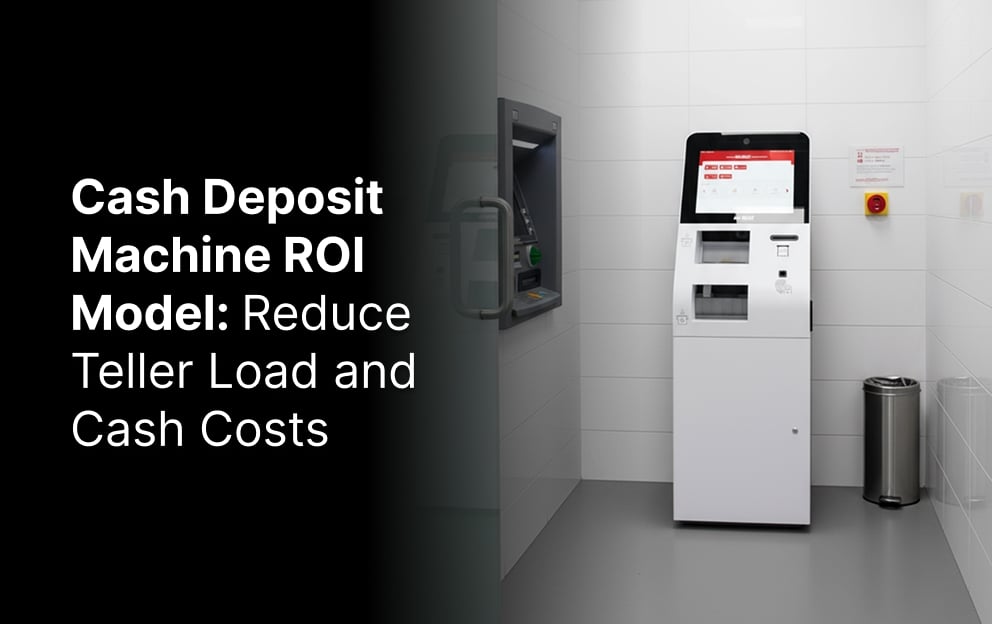
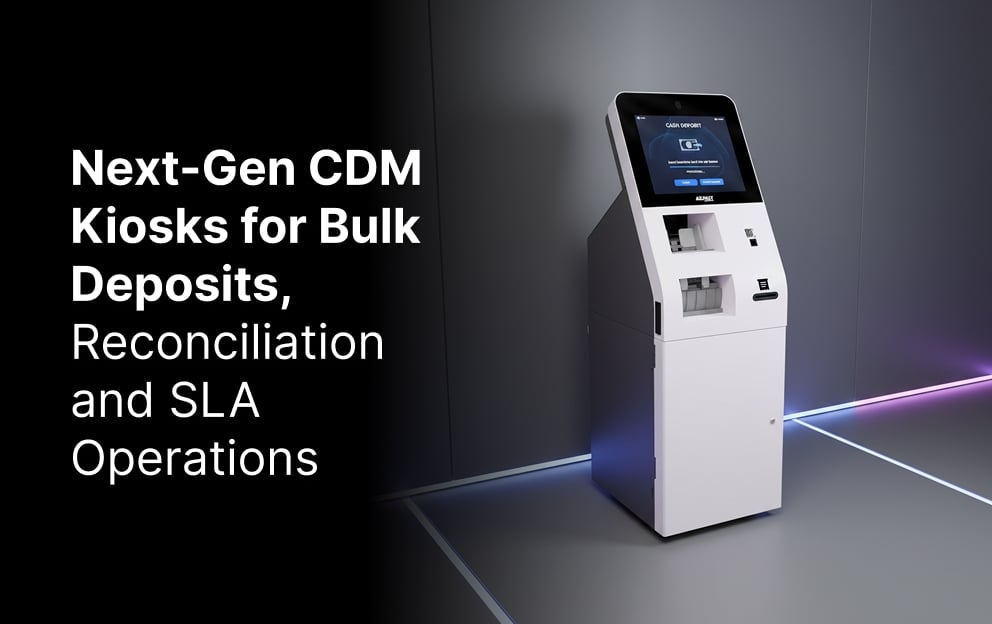
Automation, exemplified by queue management systems and self-service kiosks like cash deposit machines, streamlines processes, reduces wait times and boosts customer satisfaction.
Self-service kiosks empower customers to perform transactions independently while freeing up staff for other tasks, thus leading to process optimization.

2. Integration and Connectivity
Integration and connectivity enable real-time data sharing and collaboration by seamlessly connecting systems and platforms within the organization.
By integrating applications like CRM and ERP systems, businesses achieve synchronized data and streamlined operations and spearhead the digital transformation process.
Connectivity extends to external partners and suppliers, enhancing supply chain management and operational visibility. Operational process transformation drives efficiency, enhances customer experiences, and optimizes operations in the digital age.
2. Business Model Transformation
Business model transformation is a crucial aspect of the digital transformation business process, focusing on adopting new strategies and models to stay relevant in the digital age. Two critical components within this area are digital products and services and ecosystem and platform strategies.
Business model transformation unlocks some of the most valuable digital transformation opportunities. By shifting from traditional service delivery to digital platforms, subscriptions, or ecosystems, organizations can create new revenue streams and increase scalability.
1. Digital Products and Services
In the realm of digital transformation, businesses are leveraging technology to create innovative digital products and services. This includes the development of mobile applications, software-as-a-service (SaaS) solutions, and online platforms that cater to evolving customer needs.
For instance, digital signage solutions have become increasingly popular for businesses to enhance their advertising and communication efforts.
These dynamic displays enable targeted messaging, interactive experiences, and real-time content updates, revolutionizing traditional signage methods.

2. Ecosystem and Platform Strategies
Ecosystem and platform strategies involve building partnerships and leveraging platforms to expand business reach and create new value.
Organizations can offer comprehensive solutions and tap into new markets through collaboration and integration with complementary businesses. Platforms facilitate seamless interactions between different players, enabling transactions, data sharing, and fostering innovation.
For example, a digital transformation model may entail a company creating an ecosystem of partners, including suppliers and distributors, to offer end-to-end customer solutions, maximizing convenience and value.
3. Cultural and Organizational Transformation
Cultural and organizational transformation plays a vital role in successful digital transformation processes and initiatives. This area encompasses two key components: leadership and change management, as well as skills and talent development.
Without cultural and organizational alignment, digital transformation initiatives often fail. Leadership, talent development, and change management are the enablers that allow transformation focus areas to succeed at scale.
1. Leadership and Change Management
Leadership is crucial in driving areas of digital transformation within an organization. Leaders must champion the vision of digital transformation, communicate its importance, and guide the entire workforce through the process.
They need to create a culture of innovation, agility, and adaptability, fostering an environment where employees are encouraged to embrace change.
Effective change management strategies help mitigate resistance to change, ensuring a smooth transition and maximizing the benefits of digital transformation.
2. Skills and Talent Development
All types of digital transformation require a workforce equipped with the right skills and capabilities. Organizations need to invest in skills development programs to upskill or reskill their employees to meet the demands of the digital era.
This may involve providing training in emerging technologies, business analytics, or digital marketing, among others. Additionally, attracting and retaining digital talent is crucial.
Hiring individuals with expertise in digital business transformation areas can bring fresh perspectives and drive innovation within the organization.
4. Domain Transformation
Domain transformation occurs when organizations use technology to enter new markets, redefine offerings, or disrupt existing industry models. This is often the most complex—but also the most strategic—area of digital transformation.
Domain transformation is a fundamental aspect of the digital transformation process, involving the expansion or evolution of an organization’s core areas of operation.
It allows businesses to leverage digital technologies to redefine their products, services, or target markets. Within the realm of domain transformation, these 4 main areas are prominent:
1. Product and Service Innovation
Digital transformation enables organizations to reimagine their products and services to meet changing customer expectations.
It involves leveraging emerging technologies, such as artificial intelligence, the Internet of Things (IoT), or augmented reality, to enhance existing offerings or create entirely new digital products.
For instance, companies can develop intelligent devices, subscription-based services, or digital platforms to deliver personalized and interactive experiences.
-
- Introduction of IoT-enabled devices
- Development of subscription-based models
- Creation of digital platforms for enhanced user experiences
2. Market Expansion and Diversification
Digital transformation opens up opportunities for organizations to expand into new markets or diversify their existing customer base.
Businesses can leverage digital channels to reach a broader audience and explore untapped markets.
This may involve launching e-commerce platforms, entering global markets through online marketplaces, or targeting niche customer segments through digital marketing campaigns, a key digital transformation area.
-
- Establishment of e-commerce platforms
- Entry into global markets through online marketplaces
- Targeting niche customer segments via digital marketing
3. Business Process Extension
Domain transformation involves leveraging digital technologies to extend core business processes. This integration of digital tools into traditional workflows aims to optimize operations, improve efficiency, and enhance decision-making.
For example, utilizing web and cloud-based appointment scheduling systems can streamline the process and facilitate better management.
Organizations can leverage data analytics, cloud computing, or automation tools to streamline digital transformation processes, enable remote work capabilities, and drive data-driven insights.
-
- Integration of data analytics for informed decision-making
- Adoption of cloud computing for flexible and scalable operations
- Implementation of automation tools for streamlined workflows
4. Industry Disruption and Business Process Innovation
Digital transformation often brings about industry disruption and necessitates business process innovation. Organizations must embrace change and fully adapt their business processes to leverage digital opportunities.
When we truly explore what are the 4 main areas of digital transformation, the realm of industry disruption always comes up as the most challenging area of digital transformation yet the most rewarding.
Entering this challenging area may involve transitioning from a product-centric approach to a service-oriented model, embracing platform-based business models, or exploring collaborative ecosystems to create value and foster innovation.
-
- Shift from product-centric to service-oriented models.
- Embracing platform-based business models
- Collaboration within ecosystems for innovation and value creation
Frequently Asked Questions
What are the main areas of digital transformation?
The main areas are operational processes, business models, organizational culture, and domain transformation.
What are digital transformation opportunities?
Opportunities include automation, digital services, new platforms, data-driven decision-making, and market expansion.
What is a digital transformation model?
A digital transformation model is a framework that guides how technology, people, and processes evolve together.
Are there different types of digital transformation?
Yes. Common types include process, business model, organizational, and domain transformation.
Closing Remarks
Understanding what are the 4 main areas of digital transformation helps organizations focus on initiatives that deliver real impact. By aligning operations, business models, culture, and domain strategy, businesses can unlock sustainable growth and long-term resilience.
With a clear digital transformation model and a focus on practical opportunities, organizations can navigate change confidently and remain competitive in a rapidly evolving digital landscape.
BOOK A FREE DEMO