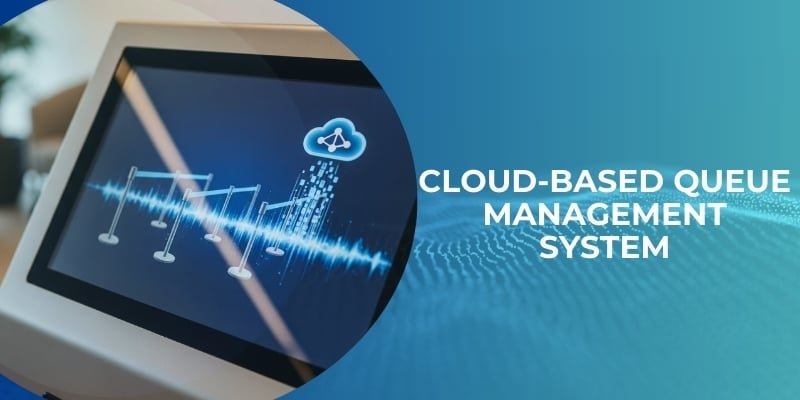
Across the world, many people face significant barriers to accessing essential government services such as healthcare, transportation, and benefits.
For underserved communities, these barriers often prevent them from benefiting fully from public services. Distance, language, and bureaucracy create challenges that hinder access to the help they need, limiting opportunities for millions.
As governments work towards governance and inclusion, technology is proving to be a vital tool in addressing these issues. Digital solutions like self-service kiosks, AI-powered systems, and online platforms are making public services more accessible, efficient, and fair.
By using these technologies, governments are breaking down barriers, ensuring that everyone, regardless of their background, can access the services they deserve.
This blog explores how various technologies improve equity in public service delivery, enhancing fairness, accessibility, inclusivity, and transparency.
Why Equity in Public Service Delivery Matters?
Equitable public service delivery ensures that all citizens have fair access to public programs and services, taking into account the unique needs of different communities.
Underserved communities often face even greater challenges in accessing public services, such as long travel distances, inaccessible facilities, language barriers, disabilities, literacy issues, bureaucratic delays, and long queues.
Such obstacles make it difficult for these individuals to benefit from essential services like healthcare, education, and legal support.
Inequitable access to public services can worsen poverty and exclusion, making it harder for communities to improve their quality of life.
This challenge remains widespread. According to the Universal Health Coverage Report, more than 4.5 billion people worldwide, over half of the global population, were not fully covered by essential health services.
When public services are inconsistent or inadequate, trust in institutions declines, and social disengagement becomes more likely.
Improving equity in public service delivery is not optional. It is a governance responsibility that directly ties to social justice and is essential to ensuring citizen satisfaction.
Governments must prioritize equity, making sure that all individuals can access the services they need to lead fulfilling lives.
How Technology Bridges Public Service Gaps?
Digital transformation helps improve public service accessibility, making essential services available to all citizens, regardless of location or circumstances.
By using technology, governments can extend their reach, streamline processes, and offer more inclusive and transparent services.
Solutions such as AI-driven support systems, automation, and online self-service platforms allow citizens to access services faster and more efficiently. These systems also improve service delivery by reducing human error and bias.
For example, remote access systems ensure that people in rural areas, where access to physical government services may be limited, can still receive essential public services.
Accessibility features, such as multilingual options and adaptive interfaces, help those with disabilities or literacy challenges to use these services with ease.
Additionally, digital public infrastructure and open data ecosystems help ensure that services remain transparent, efficient, and responsive to the needs of all citizens.
These systems allow governments to track service delivery, identify gaps, and make improvements, while also ensuring that data is accessible for both officials and the public.
Technology is not meant to replace human service. Instead, it supports fairer, faster, and more inclusive access. By automating repetitive tasks and simplifying processes, technology allows human resources to focus on personalized services, making public service delivery more effective and equitable for everyone.
What are the Equity Gaps in Public Services?
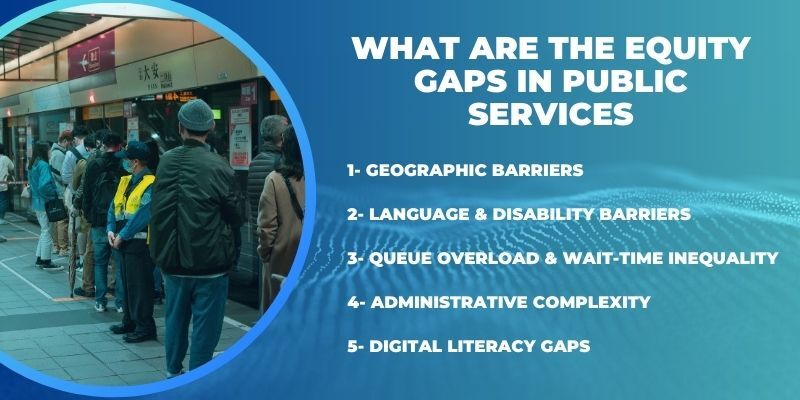
Despite efforts to improve public service delivery, significant gaps remain, especially for underserved communities. These gaps often result in unequal access to essential services, which can worsen social disparities and negatively affect vulnerable populations.
Here are some areas where these gaps are most pronounced:
- Geographic Barriers: People in rural or remote areas often face difficulties in accessing services such as healthcare, legal aid, and government benefits. Service delivery differences between urban and rural areas can be significant, with urban areas typically benefiting from better infrastructure and more frequent services. This leads to unequal outcomes in critical sectors like health, education, and social services, where timely access is essential.
- Language and Disability Barriers: Non-native speakers and people with disabilities may face significant challenges in accessing public services. Many government systems are not designed to provide inclusive services, leaving these groups unable to use available resources effectively. Insufficient translation services and inaccessible physical or digital formats create additional obstacles for these populations.
- Queue Overload and Wait-Time Inequality: Long wait times and overcrowded service centers are particularly challenging for low-income individuals who may not be able to afford to take time off from work or family responsibilities. Queue overload leads to frustration and inequality, with different groups experiencing varying levels of access to timely services.
- Administrative Complexity: Bureaucratic procedures can be a significant barrier for those unfamiliar with complex systems or without the resources to navigate them. Lengthy application processes, confusing documentation requirements, and inconsistent decision-making cause delays and create uneven access to benefits such as pensions, welfare, and legal aid.
- Digital Literacy Gaps: Digital skills are necessary for accessing many public services, yet many underserved populations, especially older adults, those in rural areas, and people from low-income communities, struggle with basic digital literacy. In 2024, around 739 million adults lacked basic literacy skills, which affects how they navigate forms, applications, and services that require reading, writing, or comprehension. This limitation reduces access to online platforms and remote services, worsening inequalities in accessing essential services.
These gaps not only restrict access to important services but also have serious consequences for individuals’ quality of life.
Inequitable access to healthcare, education, legal support, and social welfare can increase poverty, worsen social exclusion, and reduce trust in government institutions.
Addressing these gaps is crucial to ensuring that inclusive government services are available to all citizens, regardless of their circumstances.
5 Ways Technology Improves Equity in Public Service Delivery
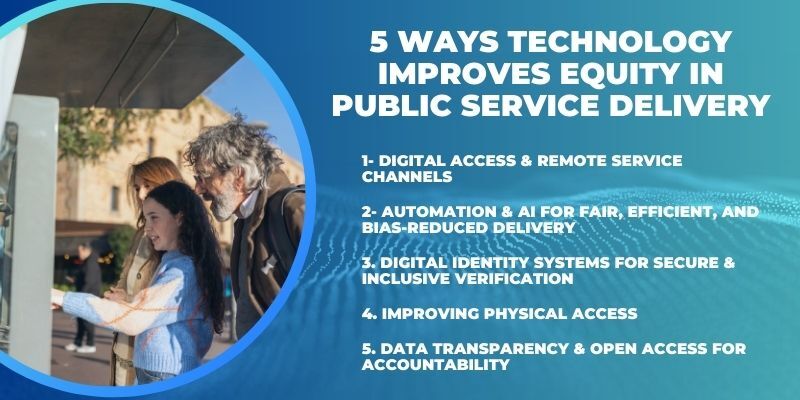
Technology is improving equitable service delivery by making public services more accessible, efficient, and fair. Below are five ways technology is addressing barriers and creating more inclusive systems:
1. Digital Access & Remote Service Channels
Technology is extending access to essential services for people who cannot easily visit physical offices. Online portals, mobile apps, and remote appointment systems allow citizens, especially those in rural areas or with mobility constraints, to engage with government services from home.
This approach saves time and makes services more accessible for seniors and individuals with disabilities.
For inclusive services, multilingual support and user-friendly interfaces are crucial. Offering services in multiple languages and ensuring systems are easy to navigate helps individuals with limited literacy or digital skills to benefit.
These adaptations ensure underserved communities have equal access to healthcare, welfare, and legal services.
In fact, 67% of OECD countries use AI in public service delivery, improving responsiveness and consistency in meeting citizens’ needs through digital public infrastructure. This reflects the growing integration of technology in government systems to enhance service accessibility.
2. Automation & AI for Fair, Efficient, and Bias-Reduced Delivery
AI and automation are improving public service delivery by enhancing efficiency and fairness. AI systems help remove bias from decision-making.
For instance, they can automate benefit eligibility assessments, ensuring decisions are based on consistent, objective criteria. This reduces human error and ensures fair treatment for all individuals.
Automation also reduces application backlogs and delays, speeding up service delivery. In areas such as welfare distribution and social security claims, AI processes high volumes of data quickly, ensuring timely service.
AI-driven systems, like voice bots and text-to-speech, also help people with disabilities access services, ensuring everyone can participate in digital systems without barriers.
3. Digital Identity Systems for Secure and Inclusive Verification
Digital identity systems allow individuals to verify their identities online rather than relying on physical documents. This is crucial for people who have lost identification or cannot access service points due to geographic or financial constraints.
These systems prevent fraud and reduce errors in service delivery, making the process faster and more reliable. By using digital identities in areas like healthcare, welfare, and education, governments ensure that vulnerable populations are included in public services.
For example, digital health IDs help individuals in remote areas access health services without needing paper-based records, ensuring equal access to necessary care.
4. Improving Physical Access
Physical bottlenecks, such as long lines and overcrowded service centers, often disproportionately affect low-income and marginalized groups.
These populations typically have fewer resources, meaning they cannot afford to take time off from work or family responsibilities to wait in long queues.
As a result, these delays prevent them from accessing essential services on time, creating frustration and inequity in service delivery.
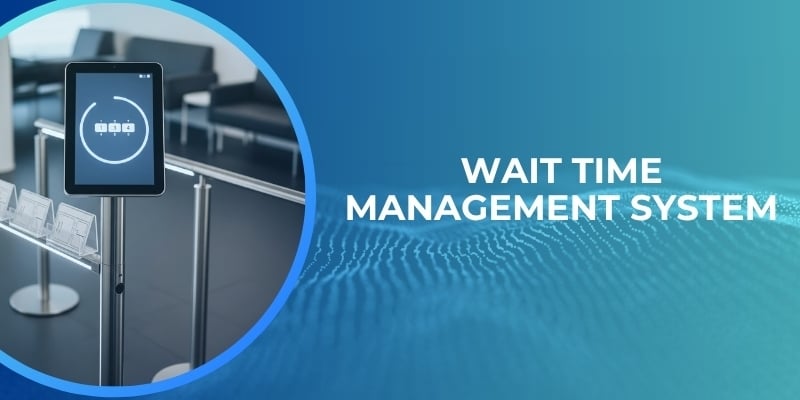
Smart queue management systems, digital check-ins, and appointment booking solutions help reduce waiting times and improve access.
These systems allow people to book appointments in advance, check in digitally, and monitor wait times on their phones, resulting in a more organized and efficient service experience.
By eliminating long queues, these technologies ensure orderly service and increase fairness in how services are provided.
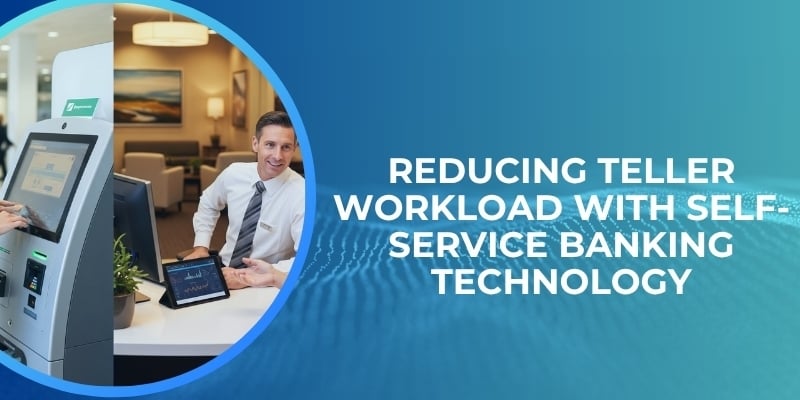
Wavetec’s queue management systems and self-service kiosks, often used in banking and government centers, show how technology makes services faster and more efficient.
These systems streamline service workflows, ensure transparent service orders, and help reduce “time poverty,” a significant barrier low-income individuals face when accessing public services.
5. Data Transparency & Open Access for Accountability
Open data dashboards and transparency solutions are essential for tracking service performance and ensuring that all communities are being served fairly.
These solutions allow governments and service providers to monitor service delivery in real-time, identifying areas where underserved populations might be overlooked or disadvantaged.
By tracking data across regions and demographic groups, these systems highlight service gaps and provide insights into how to address them.
Real-time monitoring also helps ensure that public services remain responsive to the needs of all citizens, especially those in marginalized communities.
With the right transparency systems, governments can identify inefficiencies or inconsistencies early, making it easier to address issues before they worsen.
Transparency not only improves service delivery but also builds citizen trust, as people can see the data behind government actions and hold officials accountable for any disparities in service provision.
Real-World Use Cases of Technology in Promoting Equity in Public Service Delivery
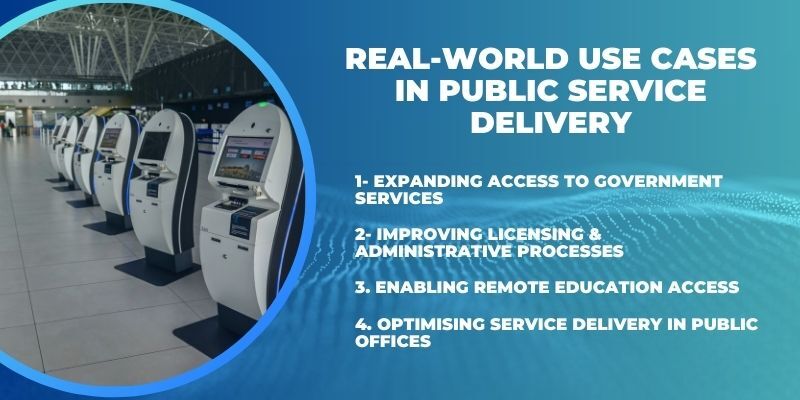
Governments are applying technology in practical ways to reduce access barriers and improve citizens’ interactions with public services.
The examples below show how digital systems are used across different sectors to expand access, simplify administration, and improve service consistency.
1. Expanding Access to Government Services
Public sector organisations increasingly rely on self-service systems to simplify high-volume transactions and reduce dependence on physical counters.
At Dubai Ports, Customs, and Free Zone Corporation (PCFC), Wavetec self-service payment kiosks were introduced to process government payments, including immigration services, visa fees, and administrative charges.
By allowing users to complete transactions independently, the kiosks reduced queue pressure at service counters, improved payment accuracy, and extended service availability beyond traditional office hours, especially benefiting users who cannot visit offices during working hours.
2. Improving Licensing and Administrative Processes
Some governments have redesigned licensing and permitting processes to align with digital-first service models, reducing paperwork and in-person visits.
Estonia’s e-government system allows residents and businesses to apply for licenses, submit documentation, and receive approvals online through integrated public platforms.
Access to these services is supported by a secure national digital identity and interoperable data exchange between government agencies, which reduces duplicate submissions and manual verification.
As a result, many licensing procedures can be completed remotely, while agencies handle applications through standardized digital workflows that improve consistency and reduce administrative errors.
3. Enabling Remote Education Access
Governments are using digital platforms to expand access to education for students facing geographic or infrastructure constraints.
India’s DIKSHA platform, developed by the National Council for Educational Research and Training under the Ministry of Education, serves as the country’s national digital education infrastructure.
It provides curriculum-aligned learning materials, teacher training resources, and assessment content through a single platform used across states and union territories.
The platform supports multiple languages and is designed to operate under low-bandwidth conditions, making it accessible to students and educators in rural and underserved regions.
This approach allows public education systems to deliver standardized learning resources outside traditional classrooms while remaining aligned with national education frameworks.
4. Optimising Service Delivery in Public Offices
Large public service networks require consistent service quality across locations with varying demand levels.
Swiss Post, Switzerland’s national postal service, implemented Wavetec’s queue management solutions across 139 branches to improve customer flow and service coordination.
The system provided real-time visibility into wait times and service demand, allowing branches to adjust staffing and service priorities dynamically.
This approach reduced congestion during peak hours and improved service predictability, making it applicable to government welfare offices, licensing centres, and citizen service hubs.
Risks, Challenges, and Ethical Considerations in Tech-Driven Equity
While technology can improve access to public services, it can also widen gaps if introduced without careful planning and oversight.
Digital systems that prioritise efficiency without considering social and structural realities may unintentionally exclude the very groups they aim to serve.
One persistent challenge is the digital divide. Limited access to devices, reliable internet, or basic digital skills can prevent people from using services that move primarily online. These gaps are especially visible across income levels.
In 2025, only about 23% of people in low-income countries were online, compared with more than 90% in high-income countries, showing how affordability and infrastructure continue to influence who can realistically access digital public services.
Algorithmic bias presents another risk. AI systems trained on incomplete or unbalanced data can produce outcomes that disadvantage certain populations, particularly in areas such as eligibility assessments or service prioritisation.
Without clear accountability and human review, automated decisions may reinforce existing inequalities.
Privacy and data security are also critical concerns. Public-sector platforms manage sensitive personal information, and weak safeguards can expose citizens to misuse, data breaches, or loss of trust. Clear governance around data collection, storage, and use is essential.
Accessibility remains a challenge for people with disabilities or limited literacy. Interfaces that rely heavily on text, complex navigation, or rigid workflows can limit effective use, even when services are technically available.
To address these risks, governments need strong policy frameworks for equity that guide how technology is designed, implemented, and evaluated.
Human oversight, regular ethical reviews, inclusive design standards, and robust data protection practices help ensure that digital public services reduce inequities rather than reinforcing them.
Designing Equitable Public Tech Systems
Building digital public services that serve everyone requires a structured, practical approach rather than abstract principles. Governments that succeed focus on how systems are planned, delivered, and reviewed across the full service lifecycle.
The first step is to assess community needs. This involves engaging directly with users across income levels, locations, ages, and abilities to understand how they currently access services and where they face difficulties. These insights help ensure systems are designed around real conditions rather than assumptions.
Next is to identify access barriers early. Barriers may relate to connectivity, language, literacy, mobility, or trust in digital channels. Mapping these constraints before deployment helps prevent exclusion once services go live.
Inclusive design principles should then guide system development. Simple navigation, clear instructions, and flexible workflows make digital services usable for a wider range of people.
This is reinforced by multilingual and disability-friendly features, such as screen reader compatibility, voice input, and alternative language options.
Governments should also integrate online and onsite channels. Digital access should complement physical service points rather than replace them, giving citizens multiple ways to complete the same task.
Finally, agencies must monitor inclusion metrics continuously. Tracking usage patterns, completion rates, and drop-off points helps identify where equitable service delivery may be falling short and where adjustments are needed over time.
Conclusion
Technology can meaningfully improve equity in public service delivery when it is applied with care and clear intent. Well-designed digital systems help reduce barriers, improve access, and bring greater consistency to services that affect the daily lives of millions of people.
To achieve these outcomes, digital solutions must remain inclusive, accessible, and reliable for users with different needs, abilities, and circumstances.
Practical solutions such as queue management systems and self-service kiosks show how thoughtful use of technology can reduce waiting burdens, create transparent service flows, and promote fair access across populations.
As public needs continue to evolve, governments and GovTech providers have an opportunity to collaborate to build services that are inclusive, resilient, and future-ready.
BOOK A FREE DEMO