Digital transformation in banking is reshaping how financial institutions operate, compete, and deliver customer experiences. As customer expectations shift toward seamless, digital-first interactions, banks must adopt a strong digital banking strategy to remain competitive.
From AI-driven automation and data analytics to self-service banking and omnichannel engagement, banking digital transformation enables institutions to improve efficiency, reduce costs, and enhance customer satisfaction.
In this guide, we explore digital transformation in banking, including strategies, processes, examples, challenges, and best practices for financial institutions.
What Is Digital Transformation In Banking?
Digital transformation in banking refers to the use of digital technologies such as artificial intelligence, automation, data analytics, and mobile platforms to improve banking operations and customer experiences.
It goes beyond offering online banking and includes transforming core systems, customer journeys, and internal processes to create faster, more efficient, and personalized financial services.
Statistics and Data
Here are a few numbers to help you understand digitization in the banking industry:
- According to Absrbd, Global digital banking market projected to reach $19.89 trillion by 2026, growing at a CAGR over 3% from 2024.
- A Statista Consumer Insight from 2022 reported that when asked about “Mobile payments by the situation“, most U.S. respondents picked “I would like to pay with my smartphone all the time” as an answer.
Digital Banking Strategy: A Foundation for Transformation
A successful digital banking strategy defines how banks use technology to improve customer experience, optimize operations, and drive growth.
It aligns business goals with digital initiatives such as automation, self-service, AI, and data-driven decision-making.
Without a clear strategy, digital transformation efforts often become fragmented, leading to high costs and limited impact. Banks that prioritize a structured transformation strategy are more likely to achieve long-term success.
Why is Digital Transformation in Banking Crucial For Financial Institutions?

With the financial world relying entirely on digitisation, it would only be fair for you to begin your bank’s transformation journey if you wish to stay in the market. Customers are looking for convenience in managing accounts and transactions to save time.
Financial institutions deal with huge data sets, and a manual data entry error can throw off the balance sheet.
Therefore, it becomes crucial for the digital transformation in financial industry to use artificial intelligence and machine learning to boost productivity, retain marketing shares, and invest in blockchain.
Digital Transformation Roadmap for Banks
Transforming a bank requires a well-planned process. Here are the key steps to achieve successful digital transformation in banking:
1. Assess Current Banking Systems and Define Strategy
The first step in digital transformation is assessment and strategy development. Banks must evaluate their current systems and processes to identify areas needing improvement.
- Evaluate Current Systems: Look at what works and what doesn’t. This helps in understanding where changes are needed.
- Set Clear Goals: Decide what you want to achieve with the transformation. This could be improving customer service, reducing costs, or increasing efficiency.
- Develop a Roadmap: Create a step-by-step plan to guide the transformation process in banks. This roadmap should outline key milestones and timelines.
Banks can ensure that their transformation efforts are focused and effective by starting with a thorough assessment and clear strategy.
2. Select Technologies for Digital Banking Transformation
After setting the strategy, the next step is selecting and implementing technology. Choosing the right technology is crucial for a successful transformation.
- Identify Needed Technologies: Determine which technologies will help achieve your goals. This might include mobile banking apps, AI chatbots, or online platforms.
- Vendor Evaluation: Research and choose the best technology providers that fit your needs and budget.
- Pilot Testing: Before full implementation, test the new technologies on a small scale to ensure they work properly and meet your expectations.
Implementing the right technologies helps banks offer better services and stay competitive in the digital age.
3. Automate and Optimize Banking Operations
Process optimization means improving the bank’s operations to make it more efficient and effective.
- Streamline Workflows: Look for ways to simplify and speed up processes. One approach is to automate repetitive tasks with robotic process automation (RPA) tools.
- Eliminate Bottlenecks: Identify and remove obstacles that slow down operations. This can help in making processes smoother and faster.
- Continuous Improvement: Regularly review and refine processes to keep them up-to-date and efficient.
Optimizing processes ensures the bank can handle more transactions quickly and accurately, improving overall performance.
4. Enhance Customer Experience Across Channels
Customer journey mapping involves understanding a customer’s different stages when interacting with the bank.
- Identify Touchpoints: List all the ways customers interact with the bank, such as online banking, visiting a branch, or using an ATM.
- Analyze Customer Experience: Look at each touchpoint to understand what customers experience and where improvements can be made.
- Design Better Journeys: Create new processes that make interacting with the bank easier and more enjoyable for customers.
5. Scale Digital Transformation Across the Organization
The final step is to scale successful initiatives. Once new technologies and processes are proven to work, they should be expanded across the organization.
- Evaluate Results: Assess the impact of the new initiatives on a small scale to ensure they meet your goals.
- Expand Implementation: Roll out successful changes to more branches and departments.
- Monitor and Adjust: Monitor the expanded initiatives and adjust as needed to maintain their effectiveness.
Scaling successful initiatives ensures that the entire bank benefits from the improvements, leading to a complete digital transformation.
Best Practices for Digital Transformation in Banking
- Establishing a digital culture
- Enhancing customer experience
- Leveraging data and analytics
- Ticketless WhatsApp Queuing System
- Embracing emerging technologies
- Strengthening Cyber Security Measures
- Regulatory and compliance considerations
- Change management and employee resistance
1. Establishing a Digital Culture

-
Leadership Commitment and Vision
A successful banking digital transformation strategy is governed by a strong leadership commitment to improving the work culture. All banks must have a digital agenda that allows the necessary organizational changes.
If leaders demonstrate a vision and commitment to digital transformation, employees will embrace the changes and align their efforts.
-
Employee Training and Upskilling
Many banks are new to digital transformation. Therefore, empowering employees with digital skills and knowledge is the first step in changing the banking sector. This can be done by introducing comprehensive training programs and upskilling initiatives.
Digital literacy about the blockchain, artificial intelligence and mobile banking enables employees to adapt to new technologies. By fostering a continuous learning culture, organizations can ensure their workforce remains agile and can drive digital initiatives.
-
Collaboration and Cross-Functional Teams
Digital banking is not a one-person represent-all venture. Collaboration is key in establishing cross-functional teams that unite individuals from various departments to work towards the same goal.
A team encouraging collaboration can leverage diverse expertise to identify opportunities, solve challenges, and implement effective digital branch transformation solutions. This helps to break down the walls between members and encourages teamwork.
2. Enhancing Customer Experience

-
Omni-Channel Banking
With the rise of digital technologies, customers want a seamless experience across multiple channels that can be connected to their phones. Omni-channel banking integrates various touchpoints, such as mobile banking apps, websites, and social media.
The greatest benefit of omni channel banking is providing a digital experience at the physical branches. This digital banking strategy enables customers to access and switch between banking services conveniently.
This ensures a consistent interaction between customers and the bank regardless of the channel they choose.
-
Personalization and Targeted Marketing
Don’t we all appreciate a personalized experience from our favorite chains? The same applies to receiving tailored preferences in the digital era. Banks can segment their customer base and introduce targeted marketing campaigns.
Leveraging customer data and advanced analytics to analyze consumer behavior can help.
This can then be used to send personalized product recommendations, relevant offers, and customized communication, which deepens customer engagement, builds trust, and improves customer satisfaction.
-
Streamlined Onboarding and Account Opening Processes
A customer’s journey with a bank starts with onboarding and account opening. The first engagement with the bank should be a simplified process that customers can follow.
Opening a bank account is a hassle for customers, requiring them to bring multiple documents and pay repeated visits. With digital banking, you can introduce user-friendly account opening procedures.
This virtual experience reduces paperwork, eliminates manual processes, and keeps the bank competitive.
3. Ticketless WhatsApp Queuing System

With Wavetec’s WhatsApp Queuing Solution, customers can join a virtual queue by simply sending a message on WhatsApp.
They receive an automated response confirming their registration and providing them with relevant information such as estimated wait time and queue position.
This solution improves customer experience by eliminating the need to wait in line physically and enhances operational efficiency for the bank. With this, banks can revolutionize the queuing experience with limited resources and effectively manage customer flow.
4. Leveraging Data and Analytics

-
Data-Driven Decision Making
Digital bank branch transformation can progress with the available abundance of data available. Banks can analyze customer behavior, transactional data, and market trends.
Data-driven decision-making allows banks to derive growth areas and pain points from the trends, optimize operations, and drive growth. This gives banks valuable insights to improve their services to customers.
-
Predictive Analytics for Customer Behavior and Risk Assessment
Predictive analytics is based on advanced algorithms modelled to analyze historical data and predict future outcomes. These can help the banking sector understand customers’ expectations of the bank.
For the bank, predictive analytics is beneficial for risk assessment, such as identifying potential fraudulent activities and assessing creditworthiness. A customer’s major worry with banks is theft and security. This helps make proactive decisions and offers a secure transactional experience to their customers.
-
Fraud Detection and Prevention
As the banking sector increasingly moves towards digital platforms, the risk of fraud also escalates. Banks can strengthen fraud detection and prevention mechanisms by monitoring transactions and applying real-time analytics.
This ensures the security of the customers’ assets and maintains trust.
5. Embracing Emerging Technologies

-
Ai-Powered Chatbots and Virtual Assistants
If you want to inquire about a transaction, would you rather wait in long queues and navigate complex phone menus on call or toggle the bank’s website for a friendly chatbot?
Chatbots with virtual assistants offer 24/7 customer service, particularly important to the banking industry.
The addition of AI-powered chatbots to banking websites has greatly assisted customers. The chatbots not just understand your query but can also retrieve your transaction details instantly and provides you with a personalized response.
-
Robotic Process Automation (RPA)
We know bank employees must carry out numerous manual and repetitive tasks, such as data entry, loan application processing, or account reconciliation. This hinders the employees’ productivity and leaves little room for growth.
Bank can automate mundane tasks by implementing Robotic Process Automation (RPA). Software robots can handle data entry, validate information, and generate reports. This allows employees to focus on more complex and value-added activities.
RPA remains a one of its kind digitization to banking which has increased operational efficiency and accelerated process completion, resulting in improved customer experiences.
-
Blockchain Technology for Secure Transactions
Consider a customer who wants to make a cross-border payment. Traditional methods would require complex verification procedures taking up significant time.
Blockchain technology streamlines the transaction process by eliminating intermediaries and providing secure transactions. Moreover, it records every transaction step to prevent it from being tampered with, reducing fraud risks and increasing trust.
6. Strengthening Cyber Security Measures

-
Multi-Factor Authentication and Biometrics
Multi-factor authentication adds an extra layer of security by requiring users to provide multiple forms of identification. This saves an unusual login attempt.
For example, a customer will have to enter a password, fingerprint scan, or a one-time verification code sent to their mobile device. This way, even if someone obtains the password, they still need the additional factor to gain access.
-
Continuous Monitoring and Threat Detection
It is important to constantly monitor network activities, detect potential threats, and respond swiftly. Banks can employ advanced threat detection tools to identify suspicious activities, such as unauthorized access.
For instance, if an account shows signs of being compromised, the system can automatically trigger alerts to the customers. It can also temporarily suspend account access until the issue is resolved.
-
Data Encryption and Secure Data Storage
Encrypting sensitive data ensures that even if it is intercepted, it remains unreadable and unusable to unauthorized individuals. Banks can utilize encryption technologies to safeguard customer information, transaction records, and other critical data.
Additionally, banks should secure data storage practices utilizing robust firewalls, access controls, and regular data backups. This helps prevent data breaches and ensure quick recovery in case of incidents.
7. Regulatory and Compliance Considerations

Let’s say a traditional bank that wants to embark on a digital transformation journey. As part of the strategy, you need to address regulatory and compliance requirements.
-
Data Privacy and Protection Regulations
The bank must comply with relevant data privacy laws with the increasing use of digital channels and customer data collection. They must implement robust security measures to protect customer information from unauthorized access or breaches.
For instance, they might invest in encryption technologies, conduct regular security audits, and establish strict access controls to safeguard customer data.
-
Compliance With Know Your Customer (KYC) And Anti-money Laundering (AML) Requirements
Understanding what is KYC in banking is crucial for financial institutions to combat fraud and illegal activities. Compliance with Know Your Customer (KYC) and Anti-Money Laundering (AML) requirements regulates prevent fraud, identity theft, and money laundering activities.
The bank must implement advanced identity verification processes and transaction monitoring systems.
Employing biometric authentication methods, such as facial recognition or fingerprint scans, authenticates customer identities. They could utilize sophisticated algorithms to analyze customer transactions in real-time, flagging any suspicious activities that require further investigation.
8. Change Management and Employee Resistance

-
Communicating the Benefits of Digital Transformation
One effective digital banking strategy for bringing change is communicating digital transformation’s benefits to employees. If a bank plans to introduce a new digital banking platform for customers, the management team should communicate with employees beforehand.
By highlighting the advantages, employees are more likely to embrace the change. It makes the shift for customers easier, with minimal resistance.
-
Employee Engagement and Involvement in the Transformation Process
Another important strategy banks can adopt is promoting employee engagement. Valuing your employees and making them feel included, helping them change and actively contributing to the transformation efforts.
Let’s say a bank is implementing a new customer relationship management system. Instead of imposing the system without involving employees, the management can organize training sessions, seek feedback, and make them a part of the decision-making process.
5 Examples Of Digital Transformation In Banking
1. Mobile Banking Apps
Virtually all banks now offer mobile banking apps that allow customers to check account balances, transfer money, pay bills, and even deposit checks using their smartphones. These apps have become a standard part of modern banking.
2. Online Account Opening
Many banks have streamlined the account opening process, allowing customers to open new accounts entirely online. This involves digital identity verification and e-signatures, eliminating the need for in-person visits to a branch.
3. AI-Powered Chatbots
Banks use AI-powered chatbots on their websites and in mobile apps to provide instant customer support and answer common queries. These chatbots can handle routine tasks and free up human agents for more complex issues.
4. Robotic Process Automation (RPA)
Banks use RPA to automate repetitive, rule-based tasks such as data entry, account reconciliation, and transaction processing. This improves efficiency and reduces errors.
5. Data Analytics for Personalization
Banks leverage data analytics and machine learning to analyze customer data and offer personalized product recommendations and financial advice. This personalization enhances the customer experience.
6. Cash Deposit Machines
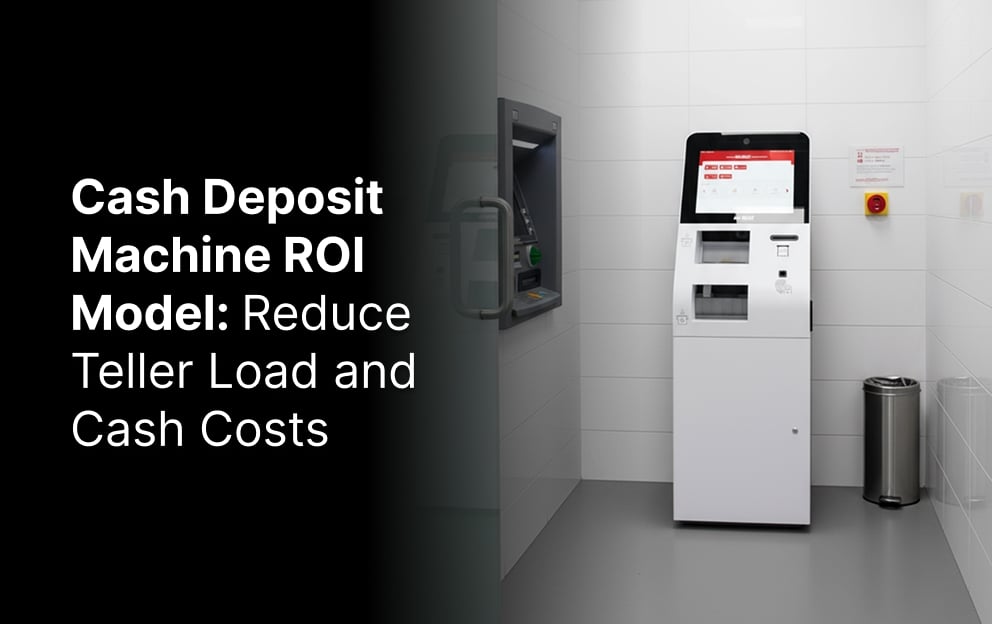
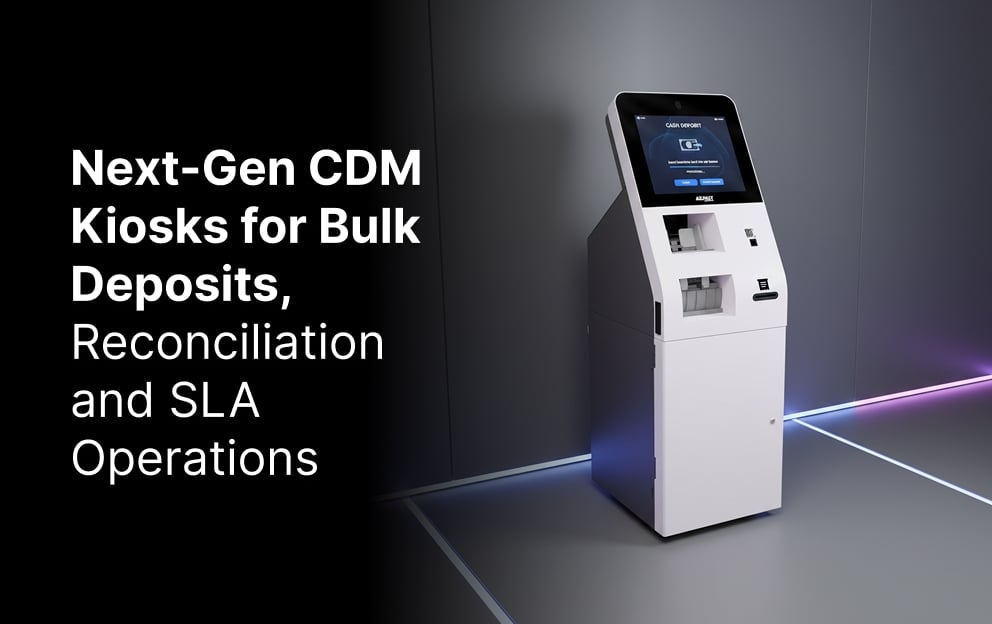
One example of this transformation is the integration of cash deposit machines into banking services. These machines exemplify how technology is reshaping the banking landscape, offering customers enhanced convenience, efficiency, and accessibility while streamlining operational processes for financial institutions.
Top Challenges in Digital Banking Transformation
Despite its benefits, digital transformation in banking comes with several operational, technical, and organizational challenges.
1. Legacy Systems and Outdated Infrastructure
Many banks still run on decades-old core banking systems. These systems weren’t built for cloud platforms, mobile banking, or real-time analytics. Trying to modernize often means building layers of fixes on top of outdated architecture, which increases costs and risk of failure.
Migrating data from legacy setups is also risky. Downtime, data loss, and customer service disruptions are real concerns. That’s why some banks delay transformation for years—until the tech becomes impossible to support.
2. Security and Compliance Risks
Banks deal with sensitive financial data. When new tools, APIs, or cloud platforms are added, the attack surface expands. Cybersecurity isn’t just about firewalls anymore—it involves encryption, user authentication, and constant monitoring.
At the same time, compliance with regulations like GDPR, AML, PCI-DSS, or FFIEC is non-negotiable. Any slip could mean fines or legal issues. Balancing speed of innovation with these rigid requirements is a daily struggle for IT and compliance teams.
3. Cultural Resistance to Change
Transformation isn’t just technical—it’s cultural. Bank employees often resist change because new tools disrupt how they work. Senior staff may distrust automation. Others fear job losses.
Many initiatives fail because they’re pushed top-down without involving users early. Without internal champions, training plans, or feedback loops, digital tools get ignored—even if they work.
4. Integration with Third-Party Platforms
Banks use dozens of systems—CRMs, loan processing tools, fraud detection engines, etc. Bringing in new platforms like AI chatbots or fintech APIs isn’t plug-and-play.
Data flows need to be mapped. Workflows need syncing. And if third-party tools can’t talk to legacy systems properly, the result is double work, inconsistent reporting, and higher operational risk.
5. High Implementation Costs and ROI Concerns
Digital transformation doesn’t come cheap. There are costs for software licenses, integrations, consulting, training, and downtime. Some banks spend millions just to get started.
Executives want to see returns—but those often take years to materialize. If early metrics like customer engagement or cost reduction don’t look good, projects get pulled back. That’s why many banks prefer small pilots over full-scale rollouts, even when that slows impact.
Case Studies of Banking Digital Transformation
Many banks have successfully implemented digital transformation strategies to improve customer experience and operational efficiency.
HSBC Mexico Implements Wavetec’s Queue Management Solution
One of the key challenges HSBC Mexico faced was ensuring a seamless customer journey across multiple touchpoints in a bank environment. HSBC Mexico successfully integrated queue management solutions, such as online banking, mobile application, and digital signage solution.
Customers could schedule appointments and join a virtual queue solution, minimizing physical visits to the bank and saving time. With organized lines, customers could devote more time to understanding the services offered by the bank. Embrace the efficiency of a virtual queue solution for a seamless and customer-friendly banking experience.
UBL partners with Wavetec for Digital Transformation
UBL recognized the need to adapt to the digital era and promote a customer-centric approach. By partnering with Wavetec for a queue management system and customer feedback solutions, UBL was able to transform the consumer journey.
It not only helped them optimize seating space for customers but could translate customer visits into deposits. The live reporting and analytics dashboard gave UBL insights into customer preferences, streamlining a targeted marketing campaign.
Digital Transformation in Financial Services vs Banking
Digital transformation in banking is part of a broader shift across the financial services industry, including insurance, fintech, and payments.
While banks focus on customer onboarding, transaction efficiency, and branch digitization, the wider financial sector also emphasizes risk management, personalization, and ecosystem integration.
FAQs About Digital Transformation in Banking
What is digital transformation in banking?
Digital transformation in banking refers to the use of digital technologies such as AI, automation, mobile platforms, and data analytics to improve banking operations, customer experience, and service delivery.
What is a digital banking strategy?
A digital banking strategy is a structured plan that helps banks adopt technology to improve customer experience, optimize operations, and drive business growth. It aligns digital initiatives with long-term business goals.
Why is digital transformation important for banks?
Digital transformation is important for banks because it helps them meet customer expectations, improve efficiency, reduce operational costs, enhance security, and stay competitive in a rapidly evolving financial landscape.
What are examples of digital transformation in banking?
Examples include mobile banking apps, online account opening, AI-powered chatbots, robotic process automation (RPA), data-driven personalization, and virtual queuing systems in bank branches.
What are the biggest challenges in banking digital transformation?
The main challenges include legacy systems, cybersecurity risks, regulatory compliance, high implementation costs, integration complexity, and resistance to change within organizations.
How can banks implement digital transformation successfully?
Banks can implement digital transformation successfully by developing a clear strategy, modernizing infrastructure, prioritizing customer experience, training employees, and scaling proven initiatives gradually.
Conclusion
Digital transformation in banking is no longer optional—it is essential for growth, efficiency, and customer satisfaction.
By developing a strong digital banking strategy, modernizing systems, and leveraging technologies such as AI, automation, and analytics, banks can remain competitive in a rapidly evolving financial landscape.
The future of banking will be defined by institutions that continuously adapt, innovate, and prioritize customer experience.
Book a demo today and take your first step to digital transformation!