Historically, self-service banking via a kiosk like an ATM has always required a bank card, such as a debit or dedicated ATM card issued by the bank. This card was used to securely verify the customer’s identity at the ATM and enable access to their account to withdraw cash or view account details.
In an increasingly digital world, financial institutions constantly innovate to provide customers with faster, more secure, and more convenient banking solutions. One such innovation gaining popularity is cardless cash deposits.
This article explores the concept of cardless cash deposits, their benefits, and how they transform how we handle transactions.
What is Cardless Cash Deposit?
A cardless cash deposit allows users to deposit money into an ATM or Cash Deposit Machine (CDM) without needing an ATM or debit card. Instead of inserting a card, users authenticate themselves using alternatives such as a mobile app, QR code, or PIN code sent to their phone.
This innovative feature offers a convenient and secure way to make deposits, as it eliminates the need for physical cards while maintaining robust security protocols, such as one-time passcodes or biometric verification. It’s especially useful for users who have lost their cards or prefer not to carry them.
How Cardless ATM Deposits Work
Cardless ATM deposits allow users to deposit money without using an ATM card, making the process more secure and convenient. Here’s a detailed look at how it works:
1. Open the Bank’s Mobile App
- Login: Begin by opening your bank’s official mobile app and logging in with your credentials (username/password or biometrics like fingerprint or face recognition).
- Eligibility Check: Ensure that your bank offers cardless deposit functionality. Some banks may have specific ATM machines that support this feature.
2. Navigate to the ‘Deposit’ Section
- Find the Deposit Option: Within the app, look for the “Deposit” or “ATM Deposit” option in the main menu or under the payments section.
- Choose Cardless Deposit: Select the “Cardless Deposit” This will guide you to the next step where you’ll receive either a QR code or one-time deposit code.
3. Generate QR Code or Deposit Code
- QR Code: In the case of QR-enabled machines, the app generates a unique QR code that will be scanned at the ATM.
- Deposit Code: Some banks offer a PIN code or one-time code for authentication, especially if QR scanning isn’t supported by the ATM.
- Set Amount: Some apps allow you to pre-enter the amount you plan to deposit, while others will calculate it once the cash is inserted into the machine.
4. Locate an Eligible ATM or CDM
- Check for Support: Ensure that you are using an ATM or CDM that supports cardless transactions. This feature is usually available at ATMs that are specifically branded as “cardless deposit ATMs”.
- Search for Machines: You can often find eligible ATMs using the bank’s locator tool in the app or on the bank’s website.
5. Authenticate Using QR Code or Deposit Code
- Scan the QR Code: At the ATM, select the “Cardless Deposit” option on the machine. Use the QR scanner provided on the ATM to scan the QR code from your phone’s mobile banking app. Alternatively, enter the one-time deposit code manually, which you received earlier from the app.
- Confirmation: Once the ATM scans your QR code or receives the code, it will authenticate your identity and allow you to proceed with the deposit.
6. Deposit Cash into the ATM
- Prepare the Cash: Have your cash ready for deposit. Ensure that the bills are not crumpled, torn, or damaged to avoid any issues with the machine.
- Insert Bills: The machine will prompt you to insert the money into the cash deposit slot. Depending on the ATM, you may have to insert bills one at a time or multiple bills at once.
7. Confirm the Deposit Amount
- Review the Deposit: Once the cash is inserted, the ATM will display the total deposit amount on the screen for you to confirm. Verify that the amount shown matches what you intend to deposit.
- Adjust if Necessary: If the ATM shows an incorrect amount, you may be prompted to remove the cash and reinsert it properly.
- Confirm: Once confirmed, the machine will process the deposit.
8. Receipt and Confirmation
- Receipt Printout: The ATM will generate a receipt with the deposit details, including the date, amount, and transaction ID. Be sure to keep this receipt for your records.
- Mobile App Notification: Simultaneously, you will receive an instant notification on your mobile banking app confirming that the deposit has been successfully completed and processed into your account.
9. End the Transaction
- Complete the Process: You may now choose to exit the transaction by pressing “Finish” or “Close” on the ATM screen. If you have any further actions, such as additional deposits or account inquiries, the ATM will allow you to continue.
The Limitation of Physical Cards
Even newer self-service banking kiosks like cash recyclers and cash deposit machines (CDM) in many banks require a bank card to access banking services. This introduces a limitation to self-service banking as the bank card becomes a prerequisite.
This alienates a few groups, such as adult populations of developing regions where many remain unbanked or unfamiliar with advanced banking products. These people often don’t have bank cards or choose not to carry them around.
Global Chip Shortage
Another issue that has recently plagued the global banking industry is the shortage of chips due to political unrest. These chips are used in all EMV cards that banks and other financial institutions supply.
This means there is a limited supply of bank cards, and running out of these cards is a genuine possibility.
What If ATM Cards Go Extinct?
What happens when no new cards can be issued? All cards have an expiry date, and when no more can be produced, how will people get access to their money? When your debit card gets stolen, what then? We must visit our nearest branch during operational hours to withdraw cash.
Meet CQuick, A Cardless Bulk CDM
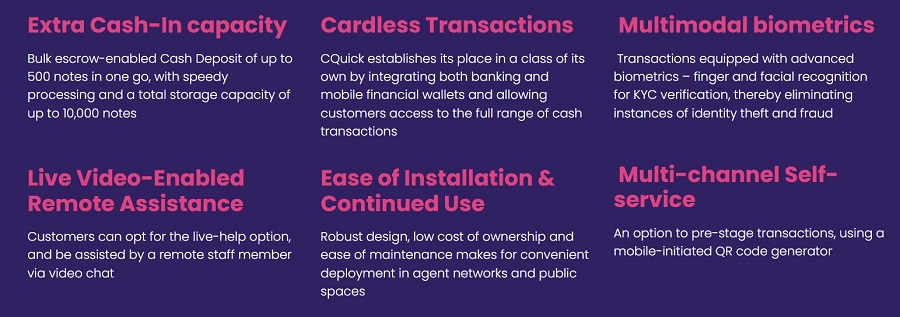
Well, no. None of this is necessary because cardless atm self-service kiosks exist and are already deployed in many parts of the world. One example is Azimut’s CQuick, a cardless bulk cash deposit kiosk.
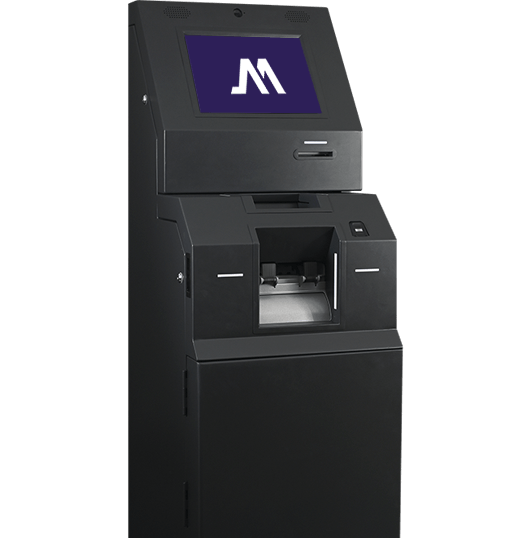
It Doesn’t Need An ATM Card (Deposit Money in an ATM Without a Card)
CQuick, unlike conventional ATMs or recyclers, can be used to transact without needing bank cards. You may ask how this can possibly be secure. With advanced and extensive KYC checks, CQuick is just as secure, if not more, than any other banking machine.
Check out how Wavetec helped Bank Alfalah improve operational efficiency with Azimut’s CQuick Cash Deposit.
Safe & Secure With Advanced KYC Protocols
With extended KYC capabilities, CQuick offers multiple channels to verify a customer’s identity quickly and securely. It can be connected to a country’s national identity database at the backend to verify customer identity against their ID cards, facial recognition, and liveness detection.
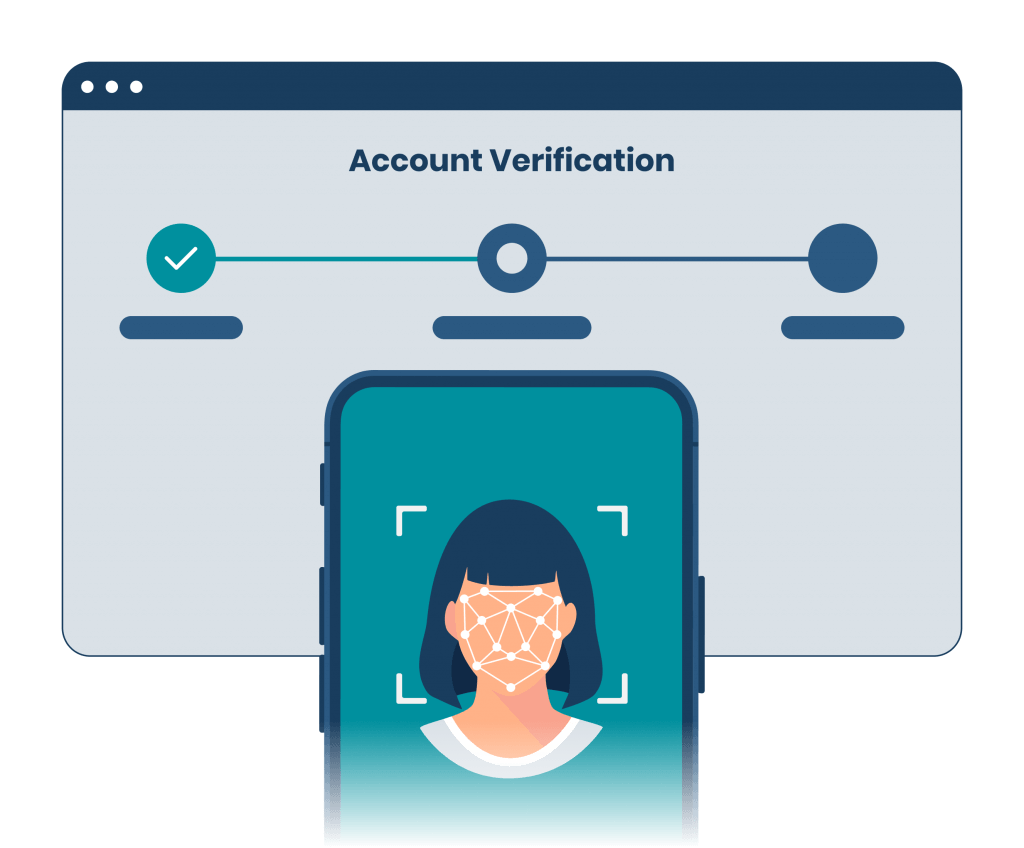
Alternatively, for countries where KYC mandates don’t require ID verification, a mobile OTP verification can be performed by sending a unique code to the customer’s registered mobile number.
When the correct code is entered into the CDM, the verification check is successful, and the customer may proceed to deposit cash or avail of other services.
Importance of KYC in Cardless Transactions
Know Your Customer (KYC) protocols are a fundamental part of the financial ecosystem, especially when it comes to cardless transactions. These protocols are designed to ensure the security and integrity of financial systems by preventing fraud, identity theft, and unauthorized access to accounts.
In cardless systems, KYC protocols take on even greater importance. Since customers do not have to use physical cards, the potential for fraud increases. Without proper identity verification, fraudsters could easily impersonate someone else and access their funds.
By enforcing strict KYC procedures, such as linking the customer’s transaction to a national ID database, biometric data, or OTP codes, cardless deposit systems can guarantee that only the rightful account holder is authorized to make a deposit.
Moreover, KYC processes help to comply with anti-money laundering (AML) regulations, which are critical for maintaining transparency and preventing financial crimes. Therefore, KYC protocols ensure that cardless systems are not only secure but also legally compliant with global financial regulations. This makes them a viable and trusted alternative to traditional banking methods.
The Future is Cardless Cash Deposit
Resources are limited, and now, more than ever, we need to realize how important it is to limit waste and think about a sustainable future. There are nearly 30 billion bank cards in circulation today, and in a few years’ time, they will expire and be in a landfill somewhere. That is a metric boatload of plastic waste, and it isn’t a one-time thing, either.
A card expires, and another is issued instantly, only to be thrown in the bin after another 5 years. The only solution to this is doing away with cards entirely and enabling alternate channels to fulfill the same needs.
For transactions, there are mobile wallets like Apple Pay, and for self-service banking & ATMs, there are cardless kiosks like CQuick.
Benefits of a Cardless Future
As we move toward a cardless future, the potential benefits extend far beyond just environmental sustainability. The key advantages that both banks and customers can enjoy are significant, reshaping the entire way financial transactions are conducted:
- Cost Savings for Banks:
Banks spend millions annually on card production, distribution, and management. By eliminating physical cards, these costs are significantly reduced, leading to more efficient operations. Additionally, the need for card replacements and the associated logistical challenges become a thing of the past. - Reduced Fraud Risk:
Cards are often lost, stolen, or cloned, leading to security breaches and financial losses. By transitioning to cardless cash deposit systems such as CQuick, the chances of fraud are minimized. With the use of biometric verification or OTP (one-time passwords), the authentication process becomes much more secure, ensuring that only authorized users can access their accounts and perform transactions. - Greater Convenience:
For consumers, cardless transactions provide more flexibility and ease of use. No need to carry around a physical card, and no more worrying about losing it or forgetting it at home. With mobile banking apps and cardless deposit machines like CQuick, customers can perform transactions anytime, anywhere. This convenience extends to businesses too, as they can more easily facilitate customer transactions without needing to rely on traditional ATMs or bank cards.
Role of Technology in Revolutionizing Cash Deposits
Technology is at the forefront of this transition towards a cardless future. Advancements in mobile apps, biometrics, and cloud technologies are leading the charge in shaping the cardless cash deposit ecosystem. Here’s how:
1. Mobile Apps:
The rise of mobile wallets like Apple Pay, Google Pay, and Samsung Pay has already proven that customers are ready to embrace digital transactions. These apps provide a fast, easy, and secure way for people to conduct financial transactions.
Cardless deposit systems integrate seamlessly with these mobile platforms, allowing users to deposit money directly from their phones or by generating unique QR codes that can be scanned at kiosks. This reduces the reliance on physical cards and expands the accessibility of financial services.
2. Biometrics for Authentication:
One of the most powerful tools in cardless transactions is the use of biometric verification (e.g., fingerprint or facial recognition). With the rise of secure biometric technology, cardless cash deposits can now rely on user identity verification without requiring a physical card.
This technology ensures security, reducing the risk of fraud and unauthorized access to accounts. As mobile devices and ATM kiosks become equipped with biometric scanning, it will be easier for customers to securely manage their finances without the need for cards.
3. Cloud Technologies:
The backbone of many cardless banking systems is cloud technology. By storing transaction data and customer profiles in the cloud, banks can offer real-time processing and a more scalable approach to cash deposits.
Cloud-based queue management systems can track deposits and withdrawals across multiple locations, ensuring that all transactions are synchronized in real-time and reducing the need for physical infrastructure.
As these technological innovations continue to evolve, the process of cardless transactions will only become smoother, more secure, and more integrated into everyday life. From mobile apps to biometric verification and cloud computing, the future of banking is moving towards a seamless and cardless experience for customers worldwide.
Frequently Asked Questions
Are cardless cash deposits secure?
Yes, cardless cash deposits incorporate various security measures to protect your transactions. These measures often include encrypted codes, two-factor authentication, and secure communication channels between your mobile device and the ATM.
What happens if I enter the wrong code or encounter an error during the cardless cash deposit process?
If you encounter any issues during the transaction, such as entering the wrong code or experiencing an error, contacting your bank’s customer service immediately is recommended. They can assist you in resolving the problem and ensure that your funds are properly credited or refunded if necessary.
Conclusion
Cardless cash deposits represent a significant step forward in banking technology, offering customers a more convenient, secure, and efficient way to deposit cash. With the increasing reliance on digital platforms, this innovative solution is expected to gain wider adoption in the coming years.
As more banks embrace cardless cash deposits, customers can look forward to a more streamlined banking experience that aligns with the demands of our fast-paced, digital-centric world.