There are approximately 2.91 million ATMs deployed globally in 2026, and the global ATM services market is valued at USD 29.01 billion in 2025, projected to reach USD 52.44 billion by 2035 (Expert Market Research / CoinLaw, 2026). Despite digital payment growth, ATMs remain critical infrastructure for cash access across retail banking, independent ATM operators, and public services. When ATMs fail, the cost is both financial and reputational.
This guide covers the most common ATM problems, their root causes, and practical solutions that banks and ATM operators can implement to improve machine reliability, security, and customer experience in 2026.
The Most Common ATM Problems
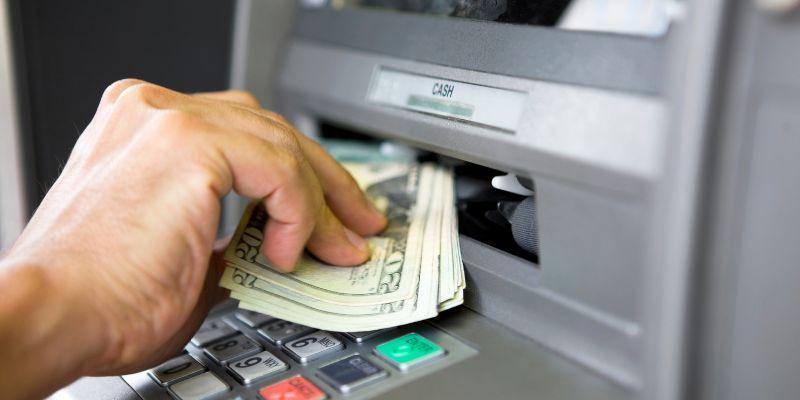
Banks cannot afford ATM downtime. Even short outages lead to customer dissatisfaction, reputational damage, and lost transaction revenue. Ensuring high uptime across large, geographically dispersed ATM networks requires continuous monitoring, fast response times, and skilled technical support (ATM Managed Services Market, 2025).
1. Card Reader Failures
Card reader malfunctions are among the most frequent hardware ATM problems. Causes include: accumulated debris inside the card reader slot, worn magnetic stripe readers that fail to read older card formats, chip reader failures from physical damage or firmware issues, and deliberate card skimming devices attached by fraudsters. Solution: implement regular physical inspection schedules, upgrade to EMV chip-only readers where card swipe fraud risk is high, and use AI-based anomaly detection to flag unusual card reader behaviour patterns remotely.
2. Cash Dispensing Errors
ATMs may fail to dispense cash, dispense the wrong amount, or jam during the dispensing process. Common causes include: incorrect cassette loading during cash replenishment, currency jams from damaged or folded notes, miscalibrated sensors, and software errors in cash counting logic. Solution: implement cash recycler technology that validates each note before dispensing, use predictive maintenance software to flag sensor drift before it causes failures, and train cash replenishment teams on cassette loading procedures.
3. Network Connectivity Issues
ATM transactions require a live connection to the bank’s core processing system for authorisation. Network connectivity problems cause failed transactions, declined cards, and session timeouts that frustrate customers and generate support calls. Causes include: ISP outages, router failures at the ATM site, and configuration errors after network maintenance. Solution: deploy dual-SIM failover connectivity that automatically switches to mobile data if the primary connection drops, and use real-time network monitoring to identify connection failures before customers encounter them.
4. Software Glitches and Outdated Firmware
ATM software errors cause a range of issues including screen freezes, failed transaction processing, and incorrect balance display. Many ATM problems in older deployments stem from outdated operating systems. Windows 10 sunsetting and legacy Windows CE systems remain a significant exposure across global ATM fleets. Solution: implement a managed software update programme with scheduled maintenance windows, and migrate legacy ATMs to supported operating systems. Nearly 38% of banks are planning to use AI to identify sophisticated fraud patterns and reduce false positives.
5. ATM Skimming and Physical Security Attacks
ATM skimming involves criminals attaching hardware devices to the card reader or keypad to capture card data and PINs. Physical attacks including cash trapping, ATM jackpotting, and ram-raiding are also recorded against unmonitored machines. Solution: install anti-skimming technology on all card readers, deploy CCTV cameras at ATM sites, implement jitter technology (which causes the card to move irregularly during insertion, defeating skimmer reads), and use transaction monitoring software to detect skimming patterns such as clusters of fraudulent transactions originating from a single ATM.
6. Screen and Touchscreen Failures
ATM display failures prevent customers from completing transactions and block the machine from use entirely. Causes include: LCD backlight failures, touchscreen calibration drift, physical screen damage, and software display errors. Solution: include display diagnostics in remote monitoring systems so that screen failures are detected and logged automatically, without a customer needing to report the fault.
7. Receipt Printer Problems
Receipt printer failures are among the most customer-visible ATM problems. Common causes: paper roll depletion, paper jams, print head failures, and misaligned paper loading. Solution: use remote monitoring to track paper level and trigger proactive replenishment before depletion, and configure ATMs to offer digital receipt options by email or SMS where printer stock is low.
Impact of ATM Problems
The impact of ATM problems extends beyond technical issues, affecting both customers and financial institutions. Some of the critical impacts include:
1. Customer Frustration
When ATMs don’t work as expected, it can cause significant inconvenience for customers. This might happen due to card reader issues, cash dispensing problems, or software glitches.
As a result, customers might find themselves in long queues, waiting for a working machine or seeking help from bank staff.
Such experiences often lead to negative customer feedback, impacting overall satisfaction with the banking service.
According to Briks, Revenue losses from ATM downtime total around $37 million for banks, representing nearly 25% of all downtime-related expenses worldwide.
Customers expect a smooth and quick process, and when ATMs fail, it disrupts their routine, creating dissatisfaction and even resentment towards the bank.
2. Financial Losses for Banks and Customers
ATM problems can lead to direct financial losses for both banks and customers. For banks, frequent hardware repairs and downtime result in lost revenue and increased maintenance costs.
Moreover, security breaches like skimming devices or malware attacks can lead to unauthorized transactions and financial fraud.
Customers might experience incorrect transactions, double withdrawals, or even account theft, resulting in unexpected charges and the loss of funds.
This can erode trust and trigger a wave of negative customer response, harming the bank’s reputation.
3. Damage to the Reputation of Banks
When ATM problems persist, the damage extends beyond immediate financial losses. Frequent malfunctions and security incidents can tarnish a bank’s reputation, decreasing customer trust.
If a bank is known for unreliable ATMs, customers may choose other banks with better queue management and fewer technical issues.
This loss of trust can have long-term effects, with customers sharing their negative experiences through social media and word-of-mouth, deterring others from using the bank’s services.
Addressing these ATM problems and solutions promptly is necessary to maintain a positive image and customer loyalty.
When banks proactively tackle issues, they demonstrate a commitment to customer satisfaction, helping to rebuild trust and ensure a more reliable banking experience for their clientele.
ATM Solutions: A Systematic Approach
Predictive Maintenance and AI Monitoring
The most effective ATM maintenance strategy in 2026 is predictive rather than reactive. AI-based monitoring systems analyse ATM performance data in real time to identify components showing signs of failure before they cause downtime. AI-based predictive maintenance now accounts for 39% of managed ATM networks, with remote monitoring adoption reaching 61% across the industry (Business Research Insights).
Managed ATM Services
Banks and independent operators are increasingly outsourcing ATM operations to specialist managed service providers. Approximately 80% of US ATMs are now serviced through full-service outsourcing contracts (Business Research Insights, 2026). Managed services cover cash replenishment scheduling, remote diagnostics, on-site maintenance, software updates, and security management under SLA-governed uptime commitments.
Hardware Upgrades: Smart ATMs
Smart ATMs with contactless card reading, biometric authentication, cardless withdrawal via mobile app, and multi-currency dispensing reduce the failure modes associated with magnetic stripe card readers and legacy hardware. The Smart ATM segment holds the largest market share in 2026 (Coherent Market Insights, 2026), reflecting accelerating investment in next-generation ATM hardware.
Cash Deposit Machine Alternatives
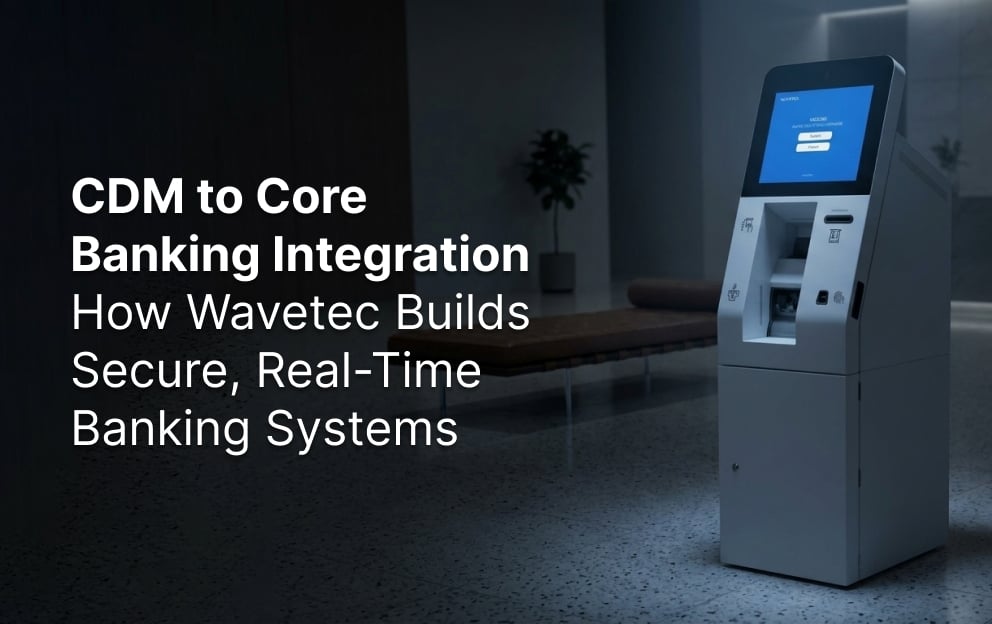
For banks looking to reduce the operational burden of cash handling while maintaining customer access to cash services, Wavetec’s CQuick cash deposit machine provides an alternative to traditional ATMs for deposit transactions. CDMs handle cash and cheque deposits 24/7, support cardless and biometric deposit options, and integrate directly with core banking systems for real-time account crediting without the card reader, dispenser, and cash cassette complexity of a full ATM.
Future Trends and Innovations
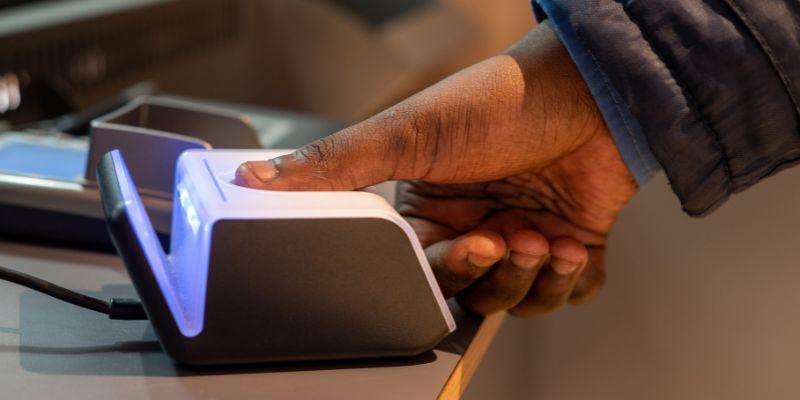
As technology evolves, future trends and innovations can address existing ATM problems and solutions while adding to the customer journey.
1. Biometric Authentication
Biometric technology, including fingerprint or facial recognition, is increasingly used to boost ATM security. By linking ATM transactions to unique physical features, this technology reduces the risk of unauthorized access and potential fraud.
It provides a more secure alternative to traditional PIN-based systems, which are susceptible to theft and unauthorized sharing.
Introducing biometrics can significantly reduce ATM problems and solutions related to unauthorized access and improve customer confidence.
2. Contactless Transactions
Contactless technology is gaining popularity. It allows customers to complete transactions without inserting their cards, reducing wear and tear on card readers and minimizing the risk of skimming devices attached to ATMs.
With contactless transactions, users can tap their cards or use mobile devices like smartphones or smartwatches to complete transactions.
This addresses why ATMs are not working due to mechanical failures, improves transaction speed, reduces queuing times, and improves overall customer involvement.
3. AI-Powered Maintenance Predictions
Artificial intelligence (AI) can predict when ATMs will likely experience issues. AI-powered maintenance predictions use data and analytics to identify potential problems before they occur, allowing banks to schedule maintenance proactively.
This approach reduces ATM downtime and ensures a smoother banking experience for customers.
With AI monitoring, banks can quickly address common ATM problems, such as hardware malfunctions and software glitches, before they impact customer service.
This leads to fewer interruptions, better queue management, and increased customer satisfaction.
4. AI and Smart Features
AI-powered ATMs are transforming self-service banking by making machines smarter, safer, and more efficient. Using machine learning, these ATMs can detect fraud, monitor transactions, and predict cash needs before shortages occur. Smart features also enable personalised services based on customer behaviour.
Video banking enables users to connect with bank representatives in real-time, while cryptocurrency-enabled ATMs help bridge the gap between traditional banking and digital finance.
5. Cash Recycling and Multi-Functionality
Cash recycling ATMs improve efficiency by validating and reusing deposited cash, which reduces replenishment costs and minimises handling errors. These machines are evolving into multi-function ATMs that offer more than just withdrawals.
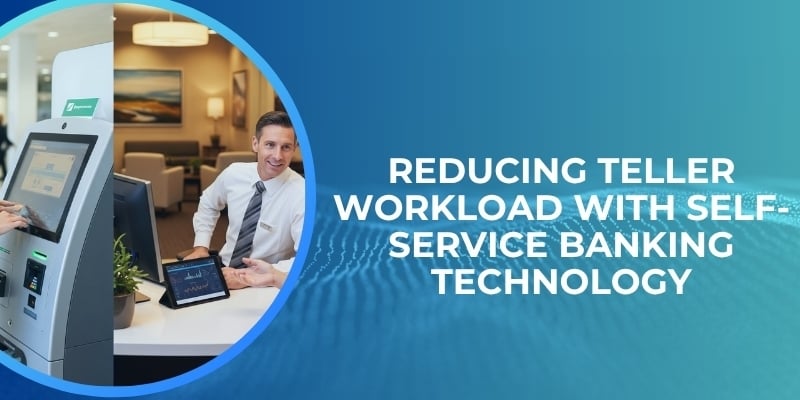
Customers can pay bills, transfer funds, deposit checks, and even open accounts through a single self-service platform. This approach helps banks reduce branch workload while improving customer convenience and service availability.
Frequently Asked Questions
What are the most common ATM problems?
The most common ATM problems are: card reader failures from debris or skimming devices, cash dispensing errors from cassette loading issues or note jams, network connectivity failures causing declined transactions, outdated software causing screen freezes and security vulnerabilities, ATM skimming attacks, screen and touchscreen display failures, and receipt printer problems from paper depletion or jams.
How do banks prevent ATM skimming?
Banks prevent ATM skimming by installing anti-skimming hardware on card readers, deploying jitter technology to defeat skimmer reads, installing CCTV surveillance at ATM locations, implementing AI-powered transaction monitoring to detect skimming patterns, conducting regular physical ATM inspections, and educating customers on identifying tampering signs.
What is ATM managed services?
ATM managed services is the outsourcing of ATM operations to specialist third-party providers. Services typically include cash replenishment, remote diagnostics and monitoring, on-site maintenance, software updates, security management, and compliance reporting. Over 60% of financial institutions now use managed services for ATM operations, and the global ATM managed services market is valued at USD 8.14 billion in 2026 (Business Research Insights).
How do I improve ATM uptime?
ATM uptime is improved through: predictive maintenance using AI-based remote monitoring that detects component failures before they cause downtime, dual-SIM failover connectivity for network resilience, proactive cash replenishment scheduling based on demand forecasting, regular physical inspections and preventive hardware maintenance, and staff training on cash cassette loading and basic fault response procedures.
Conclusion
ATMs are essential to modern banking, offering convenience and accessibility to customers. However, ATM problems can lead to customer frustration, financial losses, and security risks.
Banks can improve ATM reliability and security by understanding common issues and implementing practical solutions.
Enhanced maintenance protocols, upgraded technology, improved customer education, and better surveillance are critical steps in addressing ATM problems and solutions.
Future trends, such as biometric authentication, contactless transactions, and AI-powered maintenance predictions, promise to revolutionize ATM operations, ensuring customers a smooth and secure banking experience.
BOOK A FREE DEMO