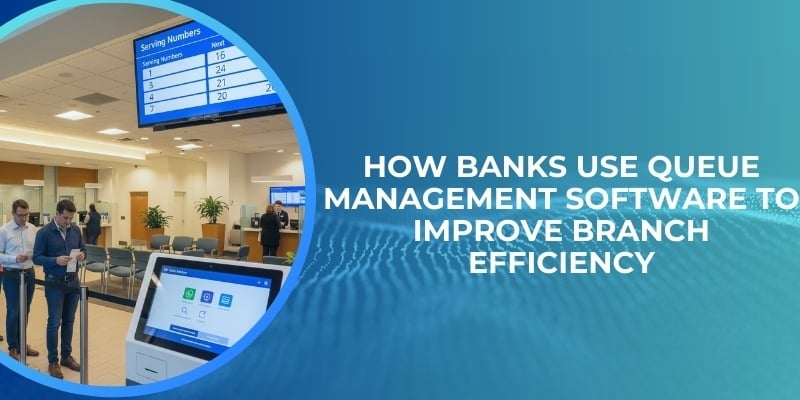
In today’s fast-paced digital landscape, businesses handle a complex web of customer appointments, service requests, and workforce schedules across numerous channels; from websites and mobile apps to physical service counters and branch locations.
Relying on manual methods like paper diaries, spreadsheets, or basic calendar apps to manage this complexity often leads to significant inefficiencies. These can include frustrating double bookings, scheduling conflicts, extended customer wait times, and a poor overall experience.
Scheduling software provides a powerful solution to these challenges. First, we need to understand what is scheduling software?
It is a digital tool that automates the process of booking appointments, allocating staff, and coordinating service delivery, ensuring that businesses can operate smoothly and customers receive timely, efficient service.
From banking and healthcare to retail and government services, organizations across the spectrum are leveraging appointment scheduling software to transform their operations.
This technology is a critical component of a modern customer journey management platform, helping to orchestrate seamless experiences from the first point of contact to service completion.
Stat: The appointment scheduling software market was valued at $447.8 million in 2025 and is projected to reach $1.18 billion by 2034, driven by increasing demand for digital automation and improved customer experience tools.
What Is Scheduling Software?
Scheduling software is a digital platform that automates appointment booking, workforce planning, and service coordination.
It replaces spreadsheets and manual calendars with automated scheduling systems that track availability, assign resources, and manage bookings in real time.
By centralizing all scheduling activities, these digital scheduling systems eliminate the friction of back-and-forth communication and ensure that all stakeholders (customers, employees, and managers )have access to accurate, up-to-date information.
Why Businesses Use Scheduling Software

The shift from manual to automated scheduling tools is driven by several key business needs. Companies implement scheduling software for businesses to:
- Meet Rising Customer Expectations: Modern customers expect convenience. They want to book appointments anytime, anywhere, without being restricted to business hours or phone calls.
- Eliminate Costly Errors: Manual scheduling is prone to human error. Double bookings and missed appointments lead to lost revenue and frustrated customers. Automation eliminates these risks.
- Reduce Operational Costs: By automating administrative tasks, staff are freed up to focus on higher-value activities, directly improving the bottom line.
- Gain a Competitive Edge: Efficient scheduling translates to shorter wait times and better service, which are powerful differentiators in crowded markets.
Key Features of Scheduling Software
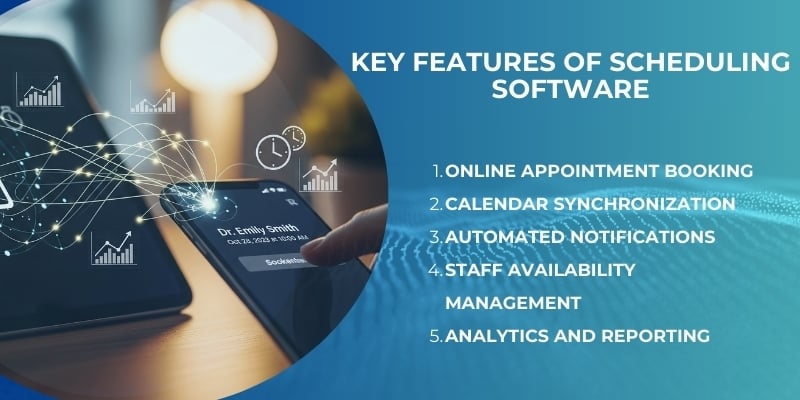
Modern scheduling platforms come equipped with a robust set of features designed to streamline the entire booking lifecycle.
Online Appointment Booking
This core feature allows customers to book services directly through a business’s website, app, or social media pages. They can see real-time availability and choose a time that suits them, all without human intervention.
Calendar Synchronization
The platform automatically syncs with personal and team calendars (like Google Calendar or Outlook). This ensures that once a booking is made, the time is instantly blocked off across all systems, preventing double bookings and keeping everyone informed.
Automated Notifications
Automated email or SMS reminders are sent to customers as their appointment approaches, significantly reducing no-shows. Notifications can also be sent to staff to alert them of their next commitment.
Staff Availability Management
The software tracks individual staff schedules, time-off, and even specific skills. This ensures that when a customer books a service, they are only shown times when the appropriate, qualified staff member is available.
Analytics and Reporting
Robust reporting tools provide insights into key metrics like busiest times, popular services, staff performance, and no-show rates. This data is invaluable for making informed decisions about staffing and resource allocation.
Integrating these insights with a queue management system can further optimize the flow of customers from booking to service delivery.
How Scheduling Software Works
The typical workflow of an online scheduling platform is designed for simplicity and efficiency:
- Customer Selects Service: A customer visits the booking page and chooses the specific service they require.
- System Checks Availability: The software instantly scans staff calendars and resource schedules to find available time slots based on the service’s duration and requirements.
- Time Slot Assigned: The customer selects a convenient time slot from the options presented.
- Confirmation Sent: An automatic confirmation email or text is sent to the customer, containing all the details of their upcoming appointment.
- Updates Tracked in Real Time: The booked slot is immediately marked as occupied in the central system, syncing across all calendars and dashboards. This entire service scheduling workflow is seamless and requires no manual intervention.
Types of Scheduling Software
While all scheduling software aims to automate time management, different types cater to specific business needs.
Appointment Scheduling Software
This is the most common type, focused on managing customer-facing appointments. It’s used by salons, doctors’ offices, and banks to allow clients to book time with specific service providers.
Employee Scheduling Software
Focused on workforce management, this type helps managers create and distribute staff shifts, manage time-off requests, and track labor costs. It is essential for industries with complex shift patterns, like retail and hospitality.
Enterprise Scheduling Systems
These are robust, scalable solutions designed for large organizations with multiple locations, hundreds of employees, and complex operational needs. They often include advanced features like resource scheduling, centralized administration, and integration with enterprise resource planning (ERP) systems.
Benefits of Scheduling Software
Implementing a scheduling solution provides a wide array of benefits that impact both the business and its customers.
- Improved Operational Efficiency: Automation streamlines workflows, freeing up staff from administrative tasks and allowing them to focus on core business activities.
- Reduced No-Shows: Automated reminders significantly decrease the rate of missed appointments, protecting revenue and improving resource utilization.
- Better Customer Experience: The convenience of 24/7 online booking and the elimination of waiting on hold dramatically improve customer satisfaction and loyalty.
- Optimized Workforce Utilization: Data-driven insights allow managers to align staff schedules with customer demand, ensuring they have the right people in the right place at the right time.
- Improved Service Coordination: By integrating with other systems, scheduling software ensures a smooth handoff between booking, arrival, and service delivery.
Employees working on global projects spend an average of 7 hours and 45 minutes per week in scheduled meetings, highlighting the importance of efficient scheduling systems for managing time and productivity.
Scheduling Software for Customer Service and Branch Operations
In physical service environments like banks, retail branches, healthcare facilities, and government service centers, scheduling software is a game-changer. It transforms the customer experience by bridging the digital and physical worlds.
By integrating an online booking system, customers can schedule appointments before they even arrive. This eliminates the uncertainty of a walk-in visit and guarantees they will be seen at a convenient time.
Upon arrival, a self-service kiosk can confirm their check-in, notifying staff that they are ready. This coordination dramatically reduces in-branch waiting times and creates a calm, organized service flow; a key component of successful bank branch transformation initiatives.
Integrating Scheduling Software with Business Systems
To achieve its full potential, scheduling software should not operate in a silo. Integration with other core business systems creates a powerful, unified operational ecosystem.
- CRM Systems: Syncing with a Customer Relationship Management (CRM) system gives staff immediate access to customer history and preferences at the time of booking, allowing for more personalized service.
- Queue Management Platforms: Integrating with a queue management system allows for a seamless transition from a scheduled appointment to a physical queue upon arrival, ensuring customers are served promptly and in the correct order.
- Mobile Applications: Embedding scheduling functionality into a branded mobile app provides customers with a convenient booking channel and allows for push notifications.
- Digital Signage Solutions: When integrated, a booked appointment can trigger a welcome message on a digital signage display in the lobby, directing the customer to the right counter or waiting area.
Real-World Use Cases of Scheduling Software
The versatility of scheduling software makes it applicable across a vast range of industries.
- Banking: Customers book appointments for complex services like mortgage applications or financial consultations, ensuring dedicated time with a specialist.
- Healthcare: Patients schedule routine check-ups or specialist visits online, reducing phone call volume and streamlining clinic workflows.
- Retail: Clients book personal shopping sessions or consultations for high-value items, creating a premium, personalized experience.
- Government Services: Citizens reserve a time to visit offices for services like passport applications or license renewals, reducing long queues and improving public satisfaction.
- Customer Support: Businesses allow customers to schedule a callback or a support session for complex technical issues, ensuring dedicated time for resolution. These tailored banking solutions demonstrate how industry-specific applications can drive significant value.
Challenges Without Scheduling Automation
Operating without scheduling automation exposes businesses to a range of operational risks that can harm efficiency and reputation.
- Double Bookings: Manual errors can lead to two customers being scheduled for the same time with the same resource, leading to service failures and angry customers.
- Scheduling Conflicts: Without a centralized view, it’s easy to book a customer at a time when the required specialist isn’t available.
- Long Customer Wait Times: Unmanaged walk-in traffic leads to peak-time congestion and long, unpredictable waits that frustrate customers.
- Inefficient Workforce Planning: Managers lack the data to match staff levels to demand, leading to periods of over-staffing (wasted cost) or under-staffing (poor service).
- Poor Service Coordination: A disjointed booking and arrival process creates a confusing and stressful experience for both customers and staff.
Future of Scheduling Software
The evolution of scheduling technology is being shaped by artificial intelligence and a focus on hyper-personalization.
- AI-Powered Scheduling: AI algorithms will learn from historical data to suggest optimal appointment times to customers and predict future demand with high accuracy.
- Predictive Demand Forecasting: Advanced analytics will move beyond reporting to proactively forecast busy periods, allowing managers to automatically adjust staffing levels in advance.
- Automated Workforce Planning: Employee schedules will be generated automatically based on predicted demand, employee skills, and individual preferences, optimizing both business needs and worker satisfaction.
- Omnichannel Appointment Booking: The booking experience will become seamlessly integrated across all channels—web, mobile app, voice assistants, social media, and even in-branch kiosks.
- Smart Service Orchestration: Scheduling will become a central part of a broader orchestration layer that manages the entire customer journey, intelligently routing them through booking, check-in, queuing, and service delivery for a frictionless experience.
Frequently Asked Questions About Scheduling Software
What is scheduling software used for?
Scheduling software is used to manage appointments, employee schedules, and service resources automatically to improve efficiency and coordination.
What are the benefits of scheduling software?
It helps businesses reduce scheduling conflicts, automate bookings, improve service efficiency, and enhance customer experience.
What industries use scheduling software?
Industries such as banking, healthcare, retail, government services, and customer support rely on scheduling software.
Is scheduling software the same as appointment booking software?
Appointment booking software is one type of scheduling software focused specifically on managing customer appointments.
Conclusion
In an era where time is the ultimate currency, scheduling software plays a crucial role in helping businesses manage appointments, staff schedules, and service workflows efficiently.
By replacing manual, error-prone processes with intelligent automation, organizations can reduce operational delays, improve customer experiences, and ensure optimal resource utilization.
The benefits are clear: reduced no-shows, better staff allocation, and a seamless journey for the customer from first click to final service.
As businesses across every sector continue to adopt digital service models and customer expectations for convenience rise, scheduling software will remain a key technology for managing workforce operations and customer interactions at scale.
For any business looking to enhance efficiency and stay competitive, understanding what is scheduling software and investing in it for businesses is no longer an option, but a necessity.
BOOK A FREE DEMO