Self-checkout systems have rapidly transformed the retail checkout experience, offering customers a faster and more independent way to complete purchases. From grocery stores to large retail chains, self-checkout kiosks allow shoppers to scan, bag, and pay for items without direct cashier assistance.
As retail automation continues to grow, businesses and consumers alike are weighing the self-checkout pros and cons. While self-service checkout systems promise convenience, reduced wait times, and operational efficiency, they also raise concerns related to security, technical reliability, and employment impact.
According to the Research, 86% of consumers use self-checkout kiosks, with 43% preferring them over traditional cashiers and 79.3% using them regularly.
Understanding the advantages and disadvantages of self-checkout systems is essential for retailers looking to optimize store operations and for customers navigating modern shopping environments. This article explores how self-checkout works, its key benefits and drawbacks, and its overall impact on customer experience and retail businesses.
Pros of Self-Checkout
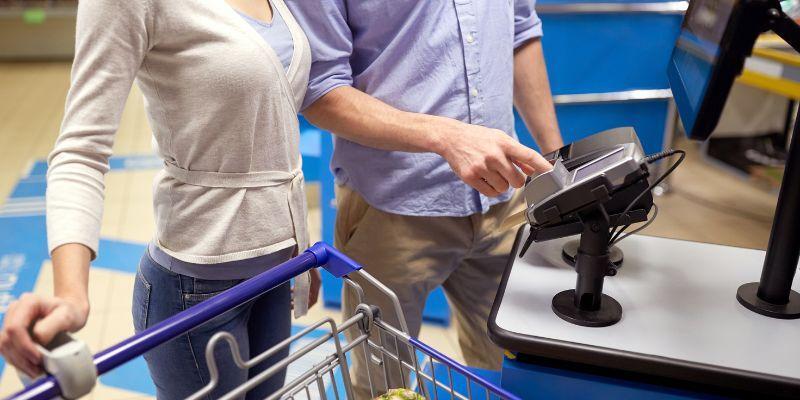
Self-checkout systems offer several advantages for both customers and retailers by improving speed, convenience, and operational efficiency. These automated checkout solutions reduce dependency on traditional cashier lanes and give shoppers greater control over their checkout experience.
1. Convenience for Customers
One of the biggest advantages of self-checkout systems is convenience for customers. By eliminating long checkout lines, self-checkout kiosks significantly reduce waiting times, especially during peak shopping hours. Customers can scan and pay for their items at their own pace, making the checkout process quicker and more efficient.
According to Business Wire, 77% of shoppers choose self-checkout primarily for faster service, per NCR Voyix’s 2025 Commerce Experience Report based on 1,044 U.S. consumers.
In addition, self-checkout systems support multiple payment options, including cash, credit and debit cards, and mobile payment methods such as Apple Pay and Google Pay. This flexibility enhances the overall customer checkout experience by allowing shoppers to use their preferred payment method without delays.
2. Empowerment and Privacy for Customers
Self-checkout systems empower customers by giving them greater control over their shopping experience. Instead of relying on a cashier, customers can independently scan, bag, and review their items before completing the transaction. This autonomy reduces errors and allows customers to manage purchases more efficiently.
Another key benefit of self-service checkout is enhanced privacy. Customers can discreetly scan personal or sensitive items without interacting with store staff, which many shoppers find more comfortable. This added privacy contributes to higher customer satisfaction, particularly for those who prefer minimal social interaction during checkout.
3. Efficiency for Businesses
For retailers, self-checkout systems offer operational efficiency and cost-saving opportunities. By reducing the number of staffed checkout lanes, businesses can lower labor costs while still maintaining high transaction volumes. Employees can be reassigned to customer support, inventory management, or loss prevention roles.
Self-checkout systems also increase checkout throughput by allowing multiple customers to complete transactions simultaneously. This improved efficiency helps retailers manage high foot traffic, shorten queues, and deliver a smoother shopping experience, ultimately increasing customer satisfaction and store productivity.
Cons of Self-Checkout
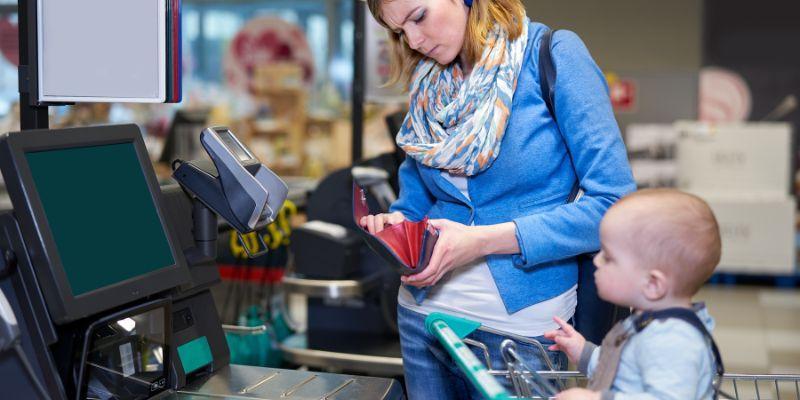
Despite their benefits, self-checkout systems also present several challenges that retailers and customers must consider. From technical issues to security risks and workforce implications, understanding the disadvantages of self-checkout is essential for making informed decisions.
1. Technical Issues
Technical issues are among the most common drawbacks of self-checkout systems. Malfunctions such as barcode scanning errors, unresponsive touchscreens, or payment processing failures can interrupt transactions and frustrate customers.
Additionally, certain items, such as fresh produce, bulk goods, or products without barcodes can be difficult to scan or weigh accurately. These challenges often require staff intervention, reducing the efficiency that self-checkout systems aim to provide and negatively impacting the customer experience.
2. Security Concerns
Security concerns are a significant drawback of self-checkout systems. Without constant cashier supervision, retailers face a higher risk of theft, including item skipping, barcode substitution, or accidental under-scanning. These losses can accumulate and impact profitability.
Another security challenge involves age-restricted products such as alcohol or tobacco. Self-checkout kiosks often require staff approval for age verification, which can slow down the process and create compliance risks if not managed properly.
3. Impact on Employment
The widespread adoption of self-checkout systems has sparked concerns about their impact on employment, particularly for cashier roles. As retailers rely more on automated checkout solutions, the demand for traditional cashiers may decline, leading to job displacement.
At the same time, self-checkout technology has shifted the role of store employees toward customer assistance, system monitoring, and loss prevention. While some customers appreciate the speed and independence of self-checkout, others still value the personal interaction and support provided by human cashiers.
Frequently Asked Questions About Self-Checkout
What is a self-checkout system?
A self-checkout system is an automated checkout solution that allows customers to scan, bag, and pay for items without cashier assistance.
What are the main advantages of self-checkout?
The main advantages of self-checkout include faster transactions, reduced wait times, increased customer control, and lower labor costs for retailers.
What are the disadvantages of self-checkout systems?
Common disadvantages include technical issues, increased theft risk, age-verification challenges, and concerns about job displacement.
Are self-checkout systems secure?
While self-checkout systems include security measures, retailers must implement monitoring, staff assistance, and loss prevention strategies to minimize theft.
Do customers prefer self-checkout or cashier checkout?
Preferences vary some customers value speed and privacy, while others prefer personal interaction and assistance from cashiers.
Final Words
When evaluating self-checkout pros and cons, it becomes clear that self-checkout systems offer significant benefits in convenience, efficiency, and customer autonomy. However, challenges such as technical reliability, security risks, and employment concerns must be carefully managed.
For retailers, success with self-checkout depends on investing in reliable technology, strong loss prevention measures, and trained staff to support customers when needed. By balancing automation with human assistance, businesses can create a checkout experience that meets customer expectations while maximizing operational efficiency.
BOOK A FREE DEMO