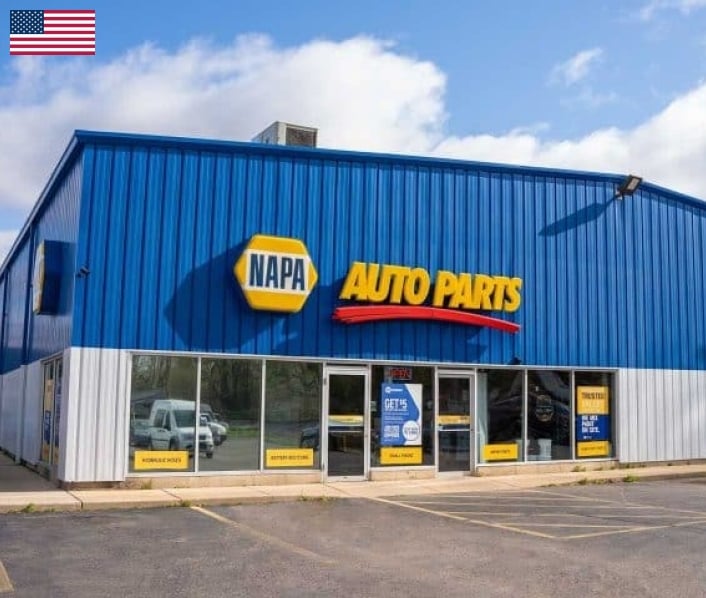
Faster Checkout Counters with Wavetec at NAPA Auto Parts
A driver with a dead alternator and a mechanic collecting parts for a job already on the lift can end up at the same parts counter, both in a hurry and neither sure who is next. That everyday moment is what Wavetec set out to improve when NAPA Auto Parts chose a queuing solution for its store checkout counters. This case study explains what was deployed, how the pieces work together, and why a structured queue matters in automotive parts retail.
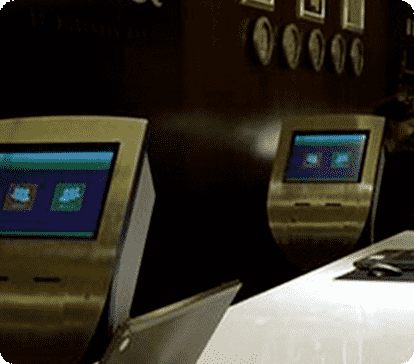
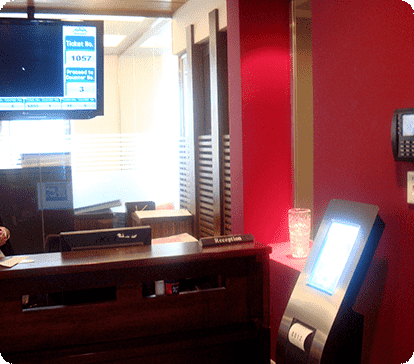
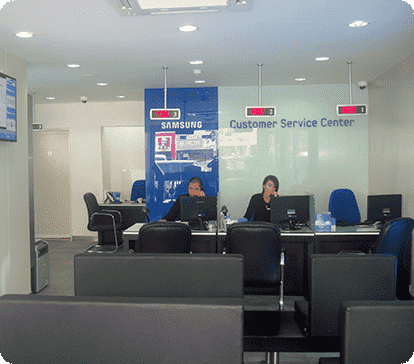
The improved journey starts off with customers taking a ticket from a NAPA-branded M-18 kiosk, which gives every visit a clear starting point. Counter associates then call the next customer with a wireless handset instead of shouting across the store, while Spectra QMS allocates tickets and routes each customer to the right counter. Donatello screens, UNO-Q station lights and speaker announcements all point the customer to that same counter at the same moment.
Who is NAPA Auto Parts?
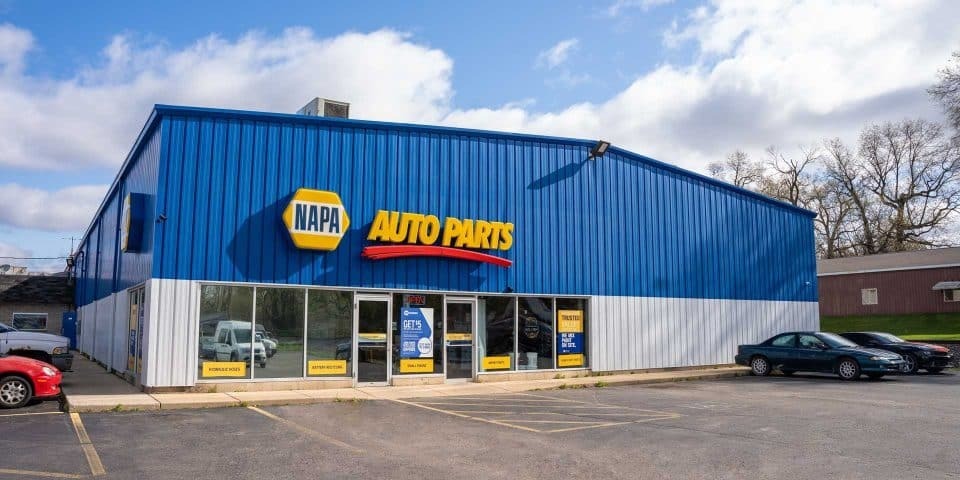
NAPA Auto Parts was founded in 1925 and belongs to Genuine Parts Company. By NAPA’s own count, it supplies more than 800,000 unique parts through over 6,000 stores and 18,000 NAPA Auto Care centers in the United States. Its counters serve repair professionals, fleet buyers and everyday drivers, often with a deadline attached. Wavetec have provided their solution to NAPA Auto Parts in Denver, Colorad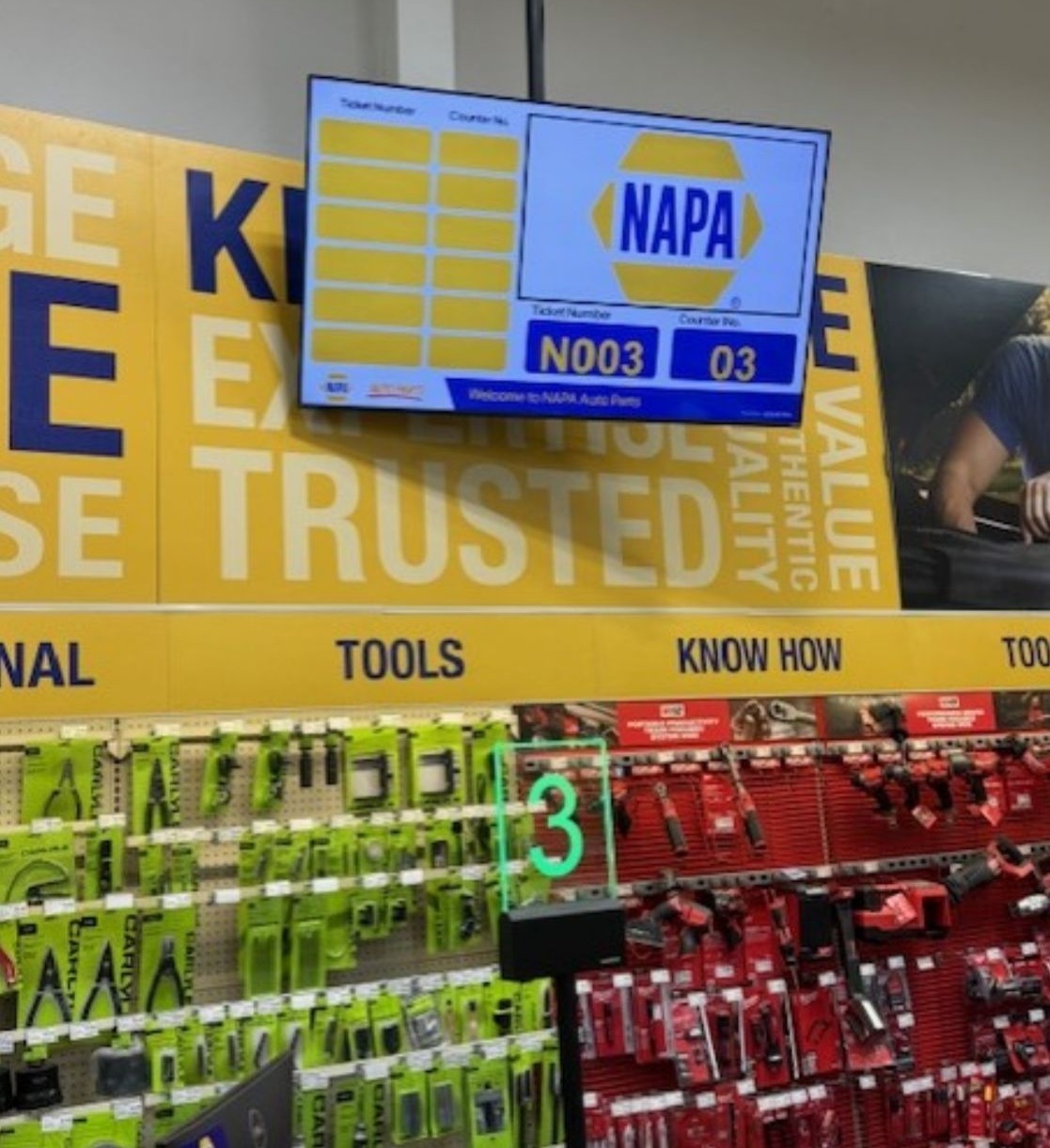 o.
Why Wavetec
Wavetec owns the whole stack: in-house hardware, in-house software, and the deployment and support that go with them. At NAPA that meant the kiosk, station lights, handsets, signage and queue engine all came from one team and worked as one system. With 11 offices and deployments in more than 80 countries, Wavetec pairs global capability with local delivery.
What challenge was NAPA Auto Parts facing?
A parts counter is rarely quiet. Customers arrive in bursts, many are time-pressed, and the people serving them are juggling lookups, stock checks and payments. Without a clear order of service, customers are left guessing who is next, and associates are pulled into managing the crowd.
The cost of getting this wrong is documented. PwC’s 2025 Customer Experience Survey, based on 5,511 US consumers, found that 52% had stopped using or buying from a brand after a bad experience with its products or services, and 29% had stopped because of poor customer experience, online or in person. The survey does not isolate waiting, but a confusing queue is one of the most visible forms of in-store friction.
The solution: one queue engine, four ways to guide the customer
Wavetec combined its own hardware and software into a single flow. The kiosk creates the ticket, Spectra QMS decides where it goes, and the counter, screen and speakers tell the customer when and where to move.
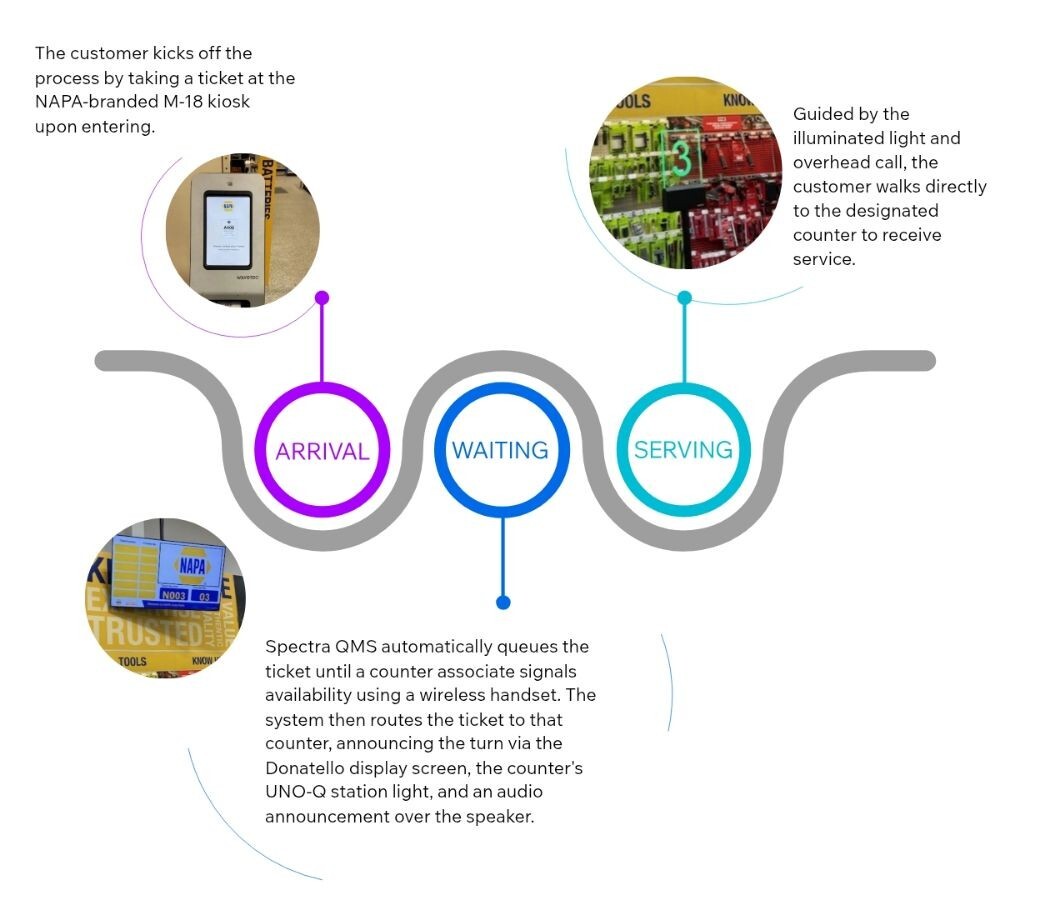
How the Customer Journey Works
- The customer takes a ticket at the NAPA-branded M-18 kiosk.
- Spectra QMS places the ticket in the queue.
- When a counter is free, the associate presses the wireless handset to call the next customer.
- Spectra QMS routes the ticket to that counter.
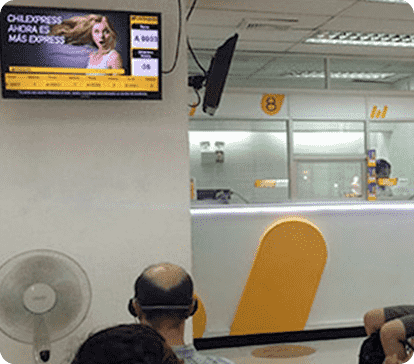
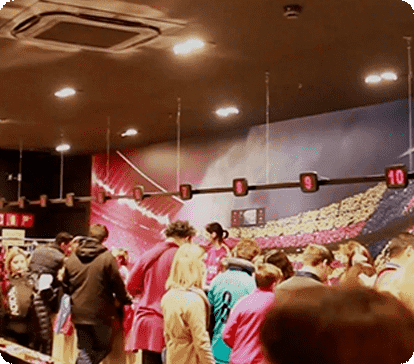
- A Donatello screen shows the ticket and counter numbers, the UNO-Q station light at that counter illuminates, and a speaker announcement repeats the call.
- The customer walks to the lit counter and is served.
Solution Architecture
| Layer | Wavetec product | Role at NAPA |
| Ticketing | M-18 floor-standing ticket dispenser kiosk, NAPA-branded | Issues queue tickets and gives customers a starting point |
| Orchestration | Spectra QMS | Coordinates ticket allocation and counter routing across the 10 counters |
| Calling | Wireless calling handsets | Lets associates call the next customer from the counter |
| Counter signalling | UNO-Q station lights | Illuminated identifier showing customers which counter is calling |
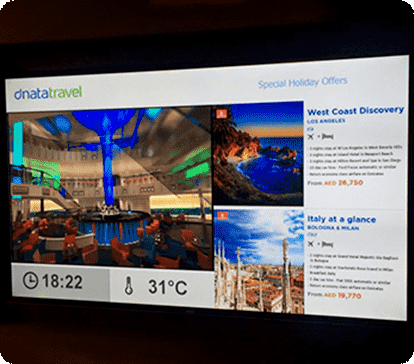
| Visual display | Donatello digital signage | Shows ticket and counter numbers |
| Audio | Speaker announcements | Spoken call that complements the visual cues |
Security, governance and accessibility
Enterprise retail needs a queue system that IT and compliance teams can trust, and the platform behind this deployment is built with that in mind. 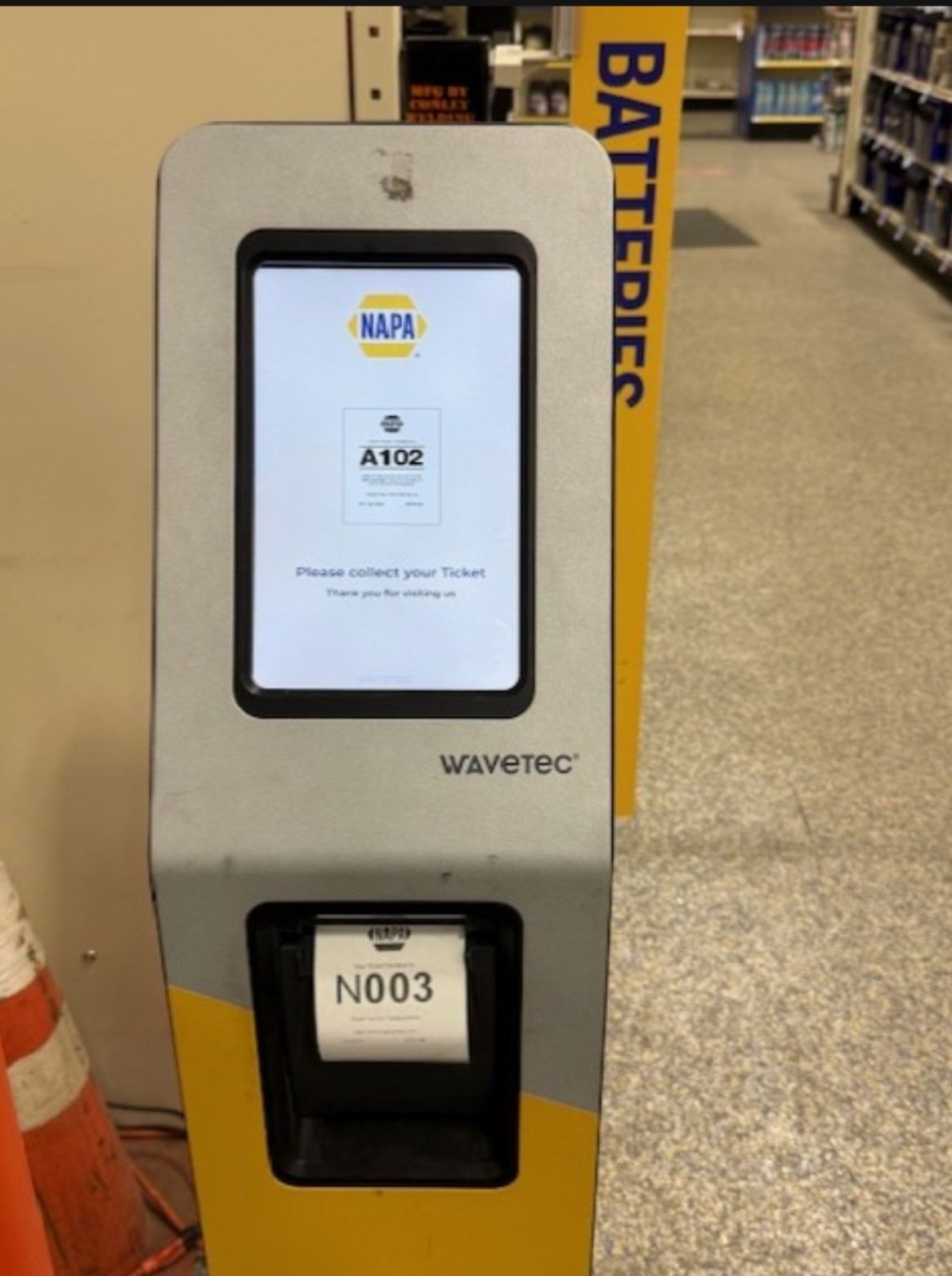
Wavetec holds SOC 2 and ISO 27001 credentials, and its central configuration layer provides role-based access control, audit logs and multi-site governance. Hardware, software and server health can be monitored through central dashboards, giving teams visibility into how the system is performing.
On the customer side, guidance is delivered both visually and audibly, so no one has to rely on a single cue to find their counter. Accessibility is built in as well: Wavetec designs its self-service kiosks around ADA principles, including ergonomic physical design, clear visual and audible cues, and intuitive interfaces, as outlined in its kiosk accessibility guide.
AI and innovation: what the waiting data unlocks
Every ticket, call and service event passes through Spectra QMS, which gives NAPA a live and historical record of how its counters perform. That record is the input for Spectra 2.0’s AI Traffic Forecasting and Inflow Simulation. The forecasting engine runs as a separate backend from the live dashboard, retrains on a 30-day cycle and writes predictions to a store the dashboard reads, so live queue monitoring is never affected by the heavier training workload.
These modules are part of the Spectra platform and are available as a next step. They are not part of the current scope. They would let store teams forecast busy periods and test counter staffing before they commit to it.
Similar Wavetec deployments
This project builds on Wavetec’s experience with checkout queues in retail.
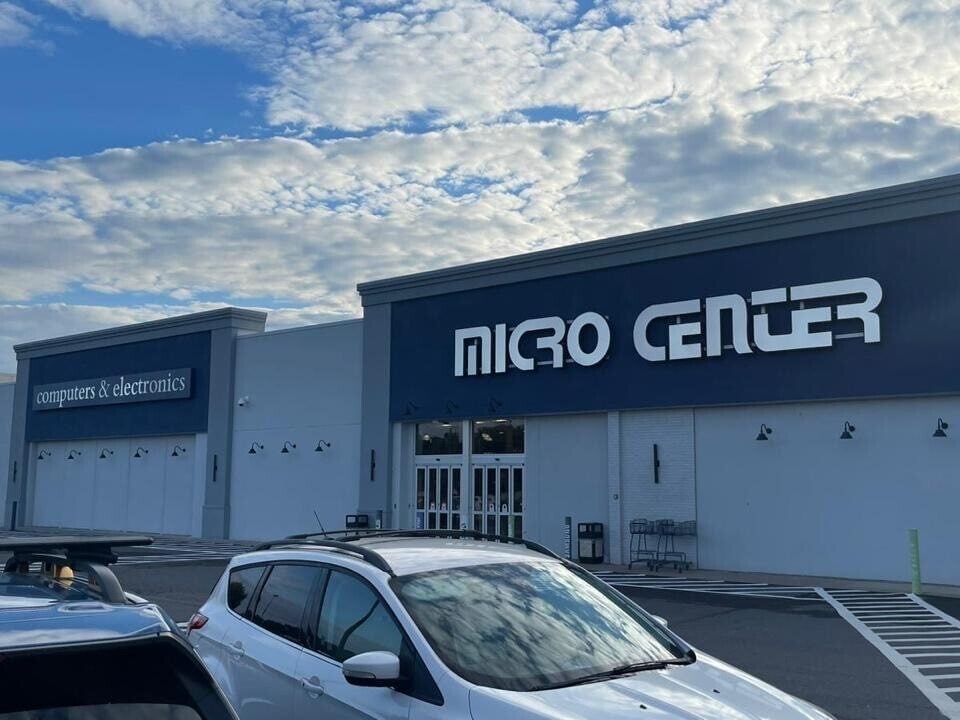
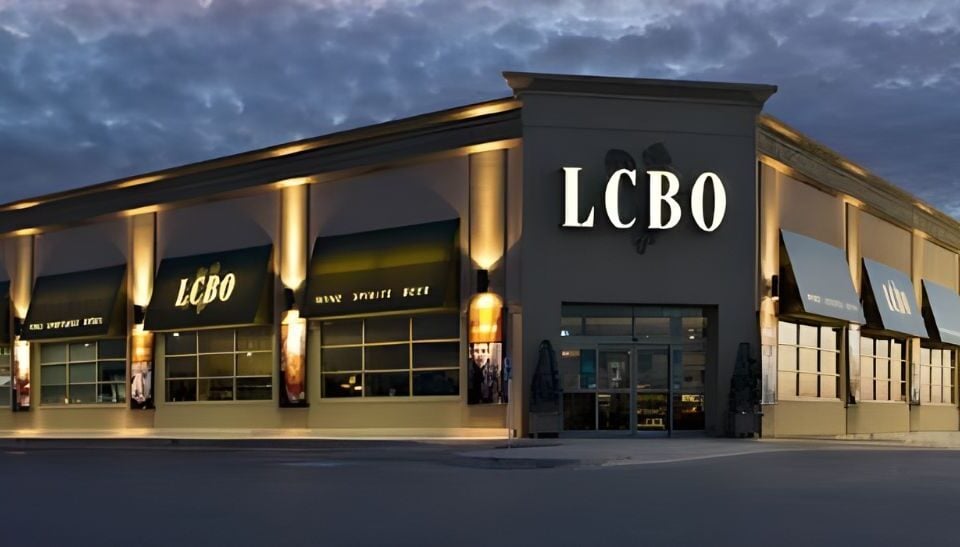
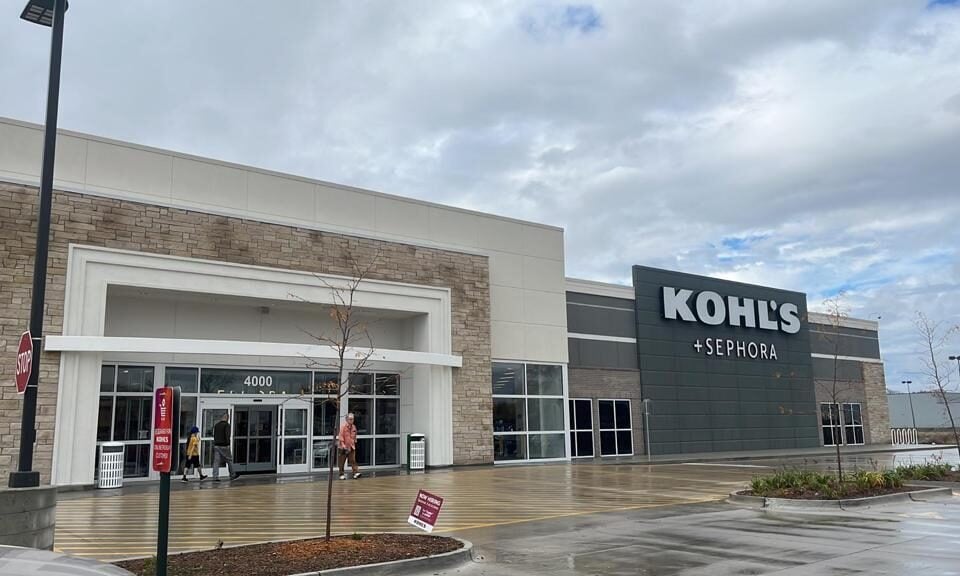
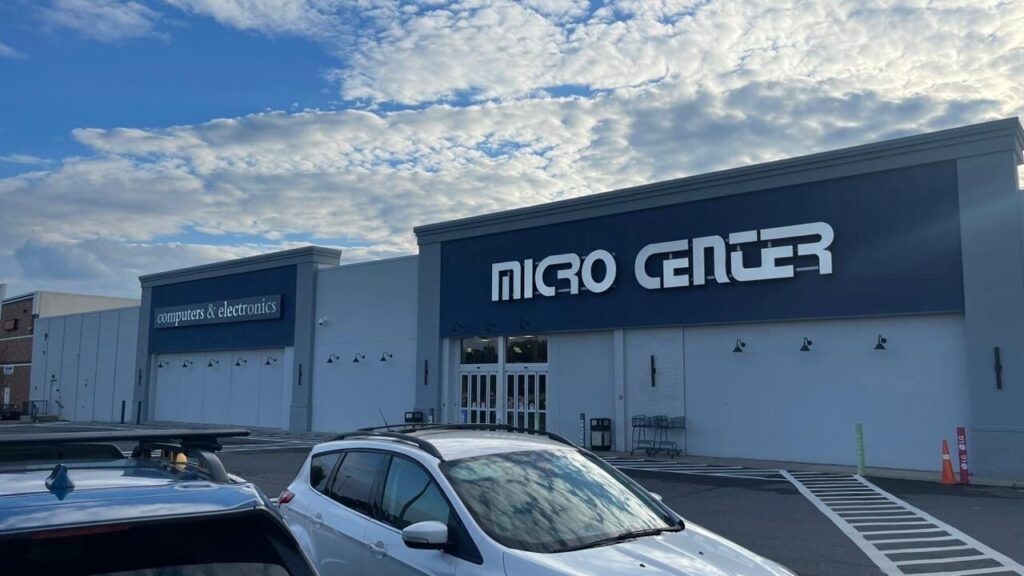
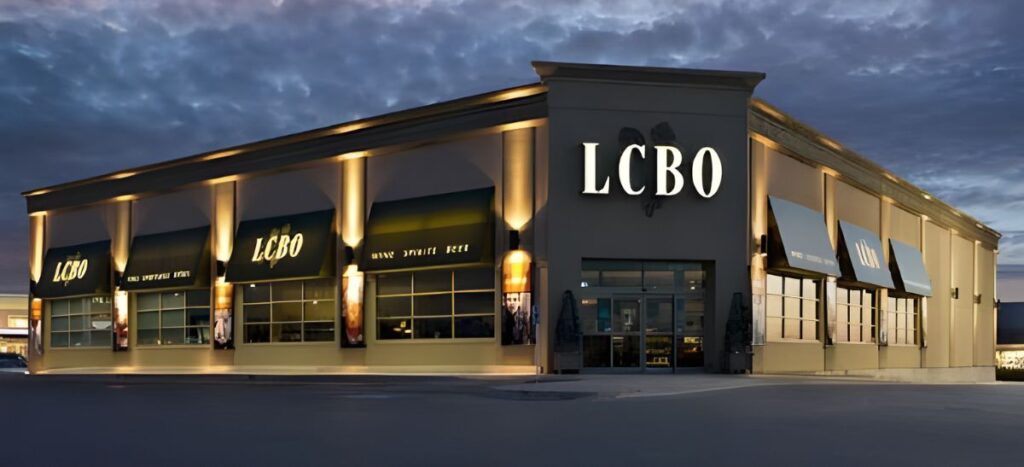
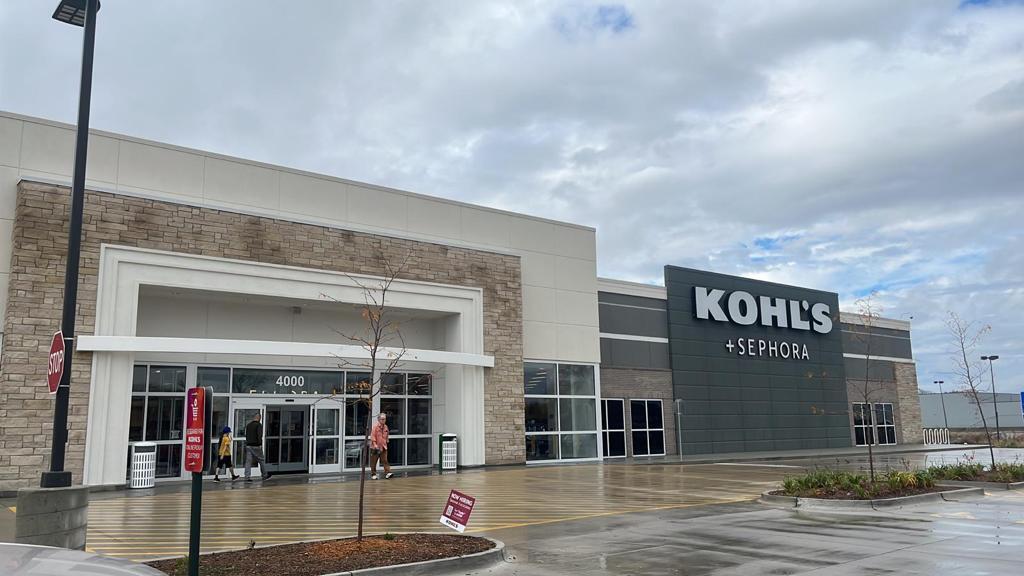
At Kohl’s, the largest department store chain in the US with 1,165 locations, UNO-Q uses light tower indicators, a teller console and performance reports to keep checkout moving. At Micro Center, Wavetec integrated UNO-Q with the retailer’s existing light towers and Donatello signage to direct customers to the right register. In Canada, LCBO uses UNO-Q station lights and a media player to guide customers to the next available cashier.
Frequently asked questions
What is a ticket-based checkout queue?
Customers take a numbered ticket on arrival and are called to a counter in order, instead of forming informal lines at each counter.
How does the system know which counter to send a customer to?
Spectra QMS handles ticket allocation and counter routing. When an associate presses the wireless handset, Spectra QMS assigns the next ticket to that counter and triggers the screen, station light and announcement.
How do customers know where to go?
Three cues work together: Donatello screens show the ticket and counter numbers, the UNO-Q station light illuminates at the calling counter, and a speaker announcement repeats the call.
Can the solution grow beyond ten counters?
UNO-Q call forwarding supports up to 32 counters, and Spectra provides multi-site governance for larger rollouts.
Is the platform secure?
Wavetec’s platform operates under SOC 2 and ISO 27001 credentials, with role-based access control and audit logging.