How Pandora Spain Created a Seamless Customer Journey with Wavetec
Executive Summary
How do you make the customer journey simpler when a high end retail store has multiple service counters, each handling a different type of request?
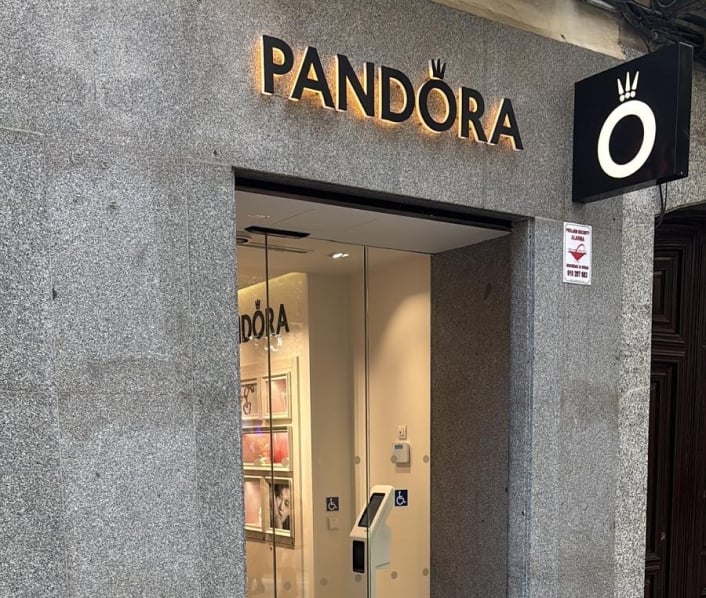
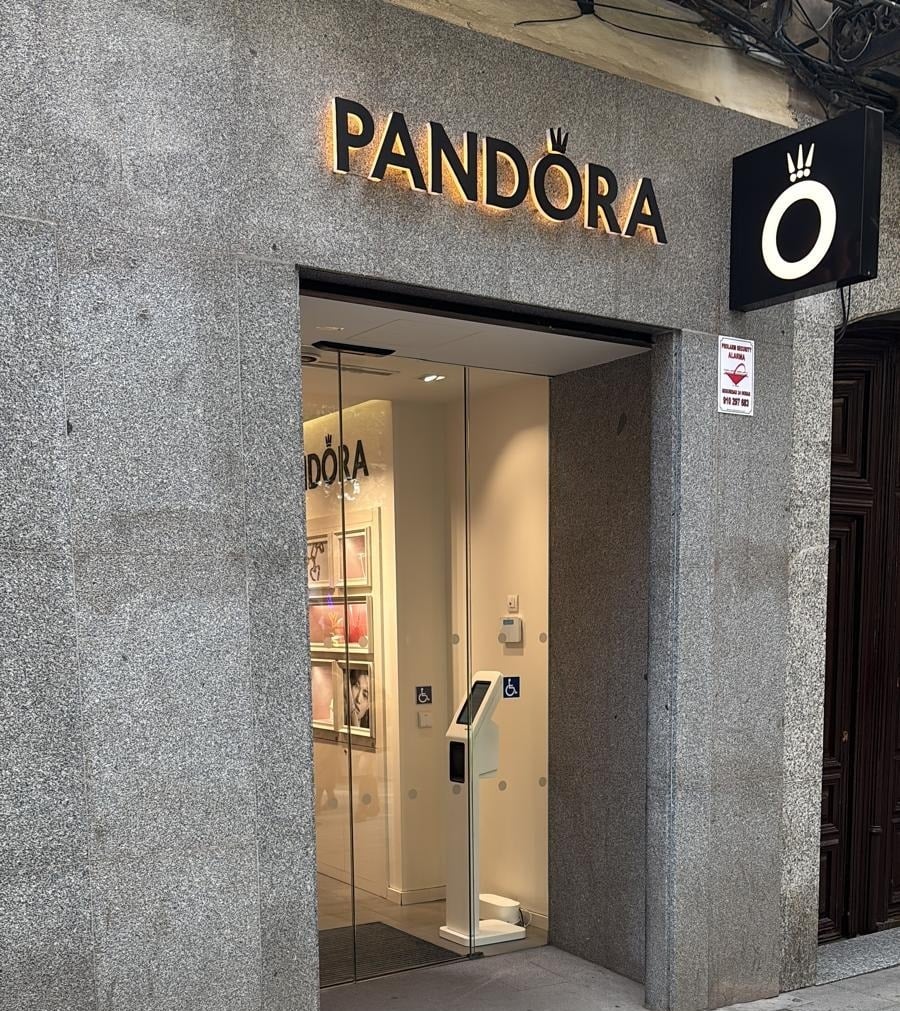
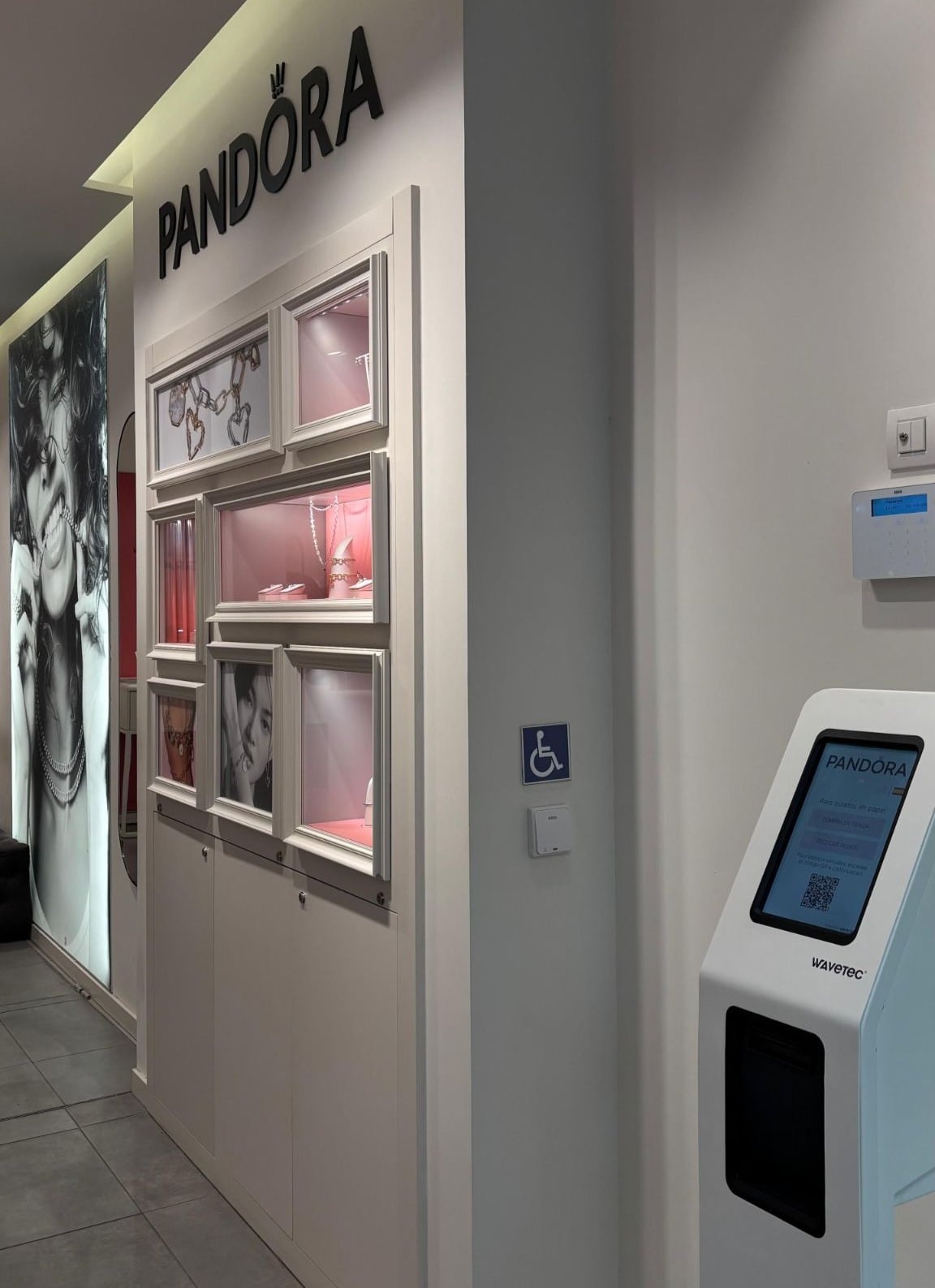
For Pandora Spain, this was an important consideration when the jewellery brand opened its store in Calle Fuencarral, Madrid. With three service counters supporting different customer needs, Pandora wanted to create a more organised way for visitors to join a queue and reach the right member of staff without having to navigate the process themselves.
In retail service management, academic literature emphasizes that customer dissatisfaction stems less from the actual duration of a wait than from uncertain, unstructured, and unexplained lines (Maister, 1985). Modern empirical research on physical retail queuing systems demonstrates that transitioning from physical congestion to digital ticket routing preserves luxury brand equity and reduces customer anxiety by providing transparent queue progression and operational order (Obermeier et al., 2020). Pandora Spain’s implementation of Wavetec’s M-18 self-service kiosk directly applies these principles, transforming a multi-counter service environment into a seamless, controlled customer journey.
Wavetec introduced a digital Queue Management System designed around Pandora’s in-store service model. Customers can take a ticket, join the appropriate queue and are then managed through the customer journey until they are called to the relevant counter. The deployment currently operates across three counters, with two counters using Wavetec handsets and one using a WebTSU terminal.
The result is a more structured approach to the customer journey, helping Pandora coordinate different services while giving customers a clearer experience inside the store.
The deployment also creates a foundation for further digitalisation. With the customer-flow data generated through the Customer Journey Management System, Pandora could potentially use Spectra 2.0’s forecasting and simulation capabilities to understand future footfall, anticipate high-demand days such as Black Friday and simulate different staffing or counter configurations before busy periods arrive.
About Pandora Spain
Pandora is a globally recognised jewellery brand with a strong retail presence across European markets. In a store of this type, customer service is not necessarily a single journey. Different visitors may require different forms of assistance, and those services may be handled at different counters.
That creates an operational question that is particularly relevant for popular and high-footfall retail locations:
How can customers get to the right service point without creating unnecessary confusion or physical queues inside the store?
For Pandora Spain, the answer was to introduce a more structured digital approach to the customer journey.
The Challenge: Different Services, Different Counters
Pandora’s store in Calle Fuencarral has three service counters, with each counter supporting the store’s wider service operation.
The challenge was therefore not simply about reducing a queue. It was about organising customers according to the service they require. When several services operate within the same retail environment, customers need to understand where they should go, while store teams need visibility over who is waiting and which service they require.
Without a coordinated queue journey, this can create several points of friction. Customers may be unsure which counter they should approach, move between service points to find the right one, or remain physically close to a counter while waiting for assistance.
For a bigger store, where the retail environment itself forms part of the brand experience, Pandora wanted the process to feel more seamless.
The Solution: A Digital Queue Built Around the Store’s Service Model
Wavetec implemented a Queue Management System that connects Pandora’s service counters into a structured customer-flow process.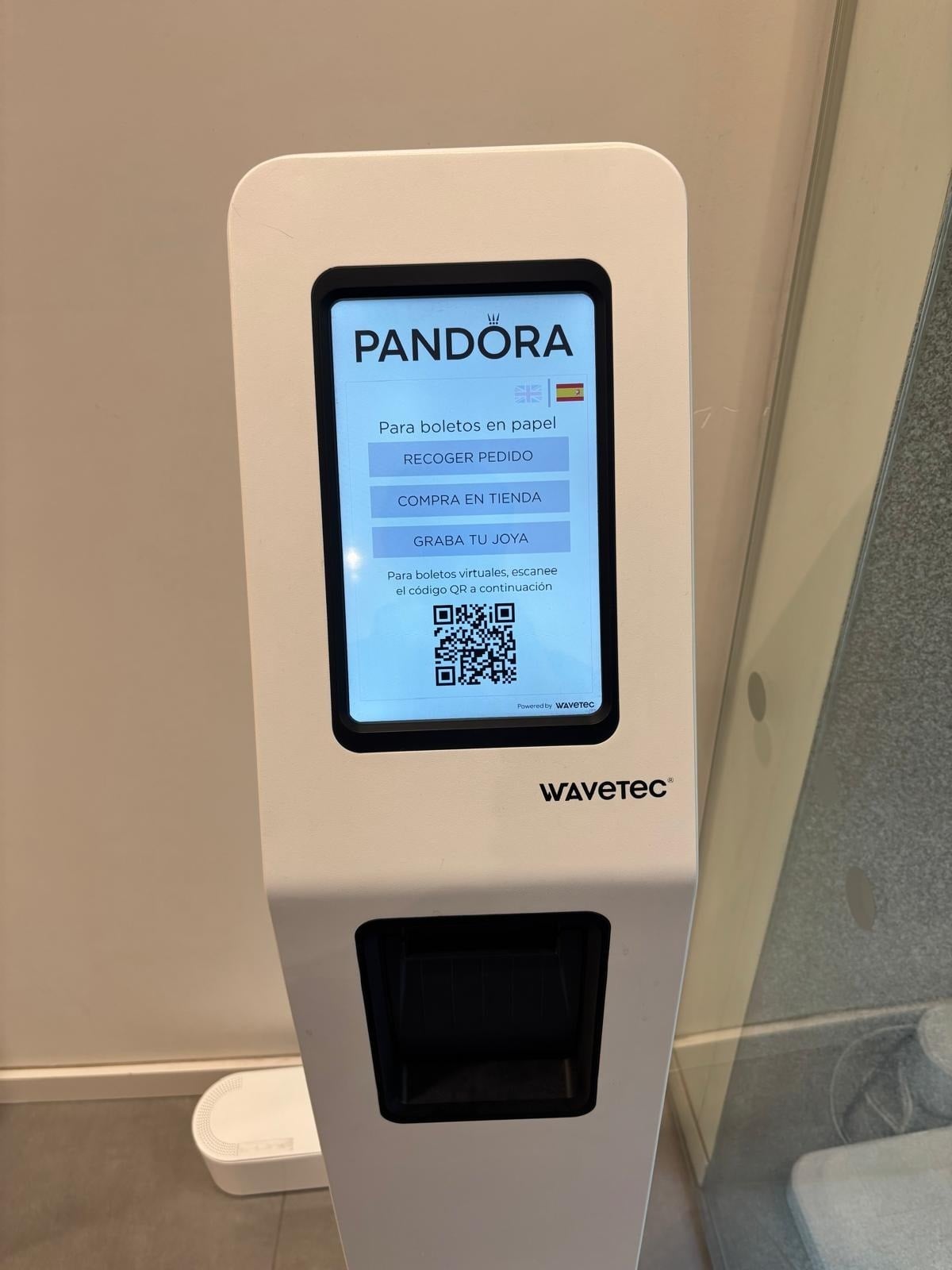
The deployment currently covers a kiosk and three counters:
- One M-18 ticket dispensing kiosk
- Two counters equipped with Wavetec handsets
- One counter equipped with a WebTSU terminal
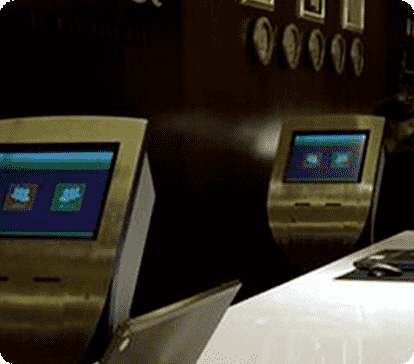
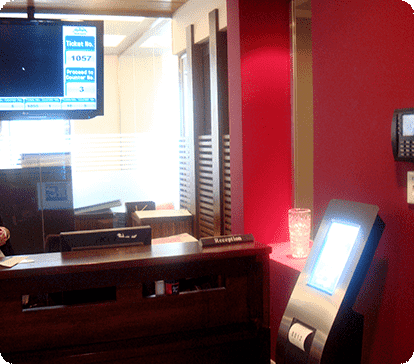
At the front of this journey is a Wavetec M-18 ticket dispensing kiosk, which acts as the customer’s entry point into the queue. The M-18 is a 10.1″ touch-screen self-service unit that lets customers select the service they need and receive a customized ticket, which then routes them into the correct queue for one of the three counters. With ethernet connectivity and integration with third-party apps and databases, the kiosk feeds directly into Wavetec’s customer journey management system, ensuring that from the moment a customer walks in, their journey is already organised around the service they require.
These touchpoints allow store personnel to manage customer calls and progress customers through the queue according to the service they require.
Rather than treating the store as one single queue, the system creates a more organised relationship between customer demand, service type and counter availability.
The system provides the operational layer that helps the store team manage who is waiting, when a customer should be called and where that customer should go next.
How Does the Pandora Customer Journey Work?
So, what does the experience look like from the customer’s perspective?
1. The customer identifies the service they need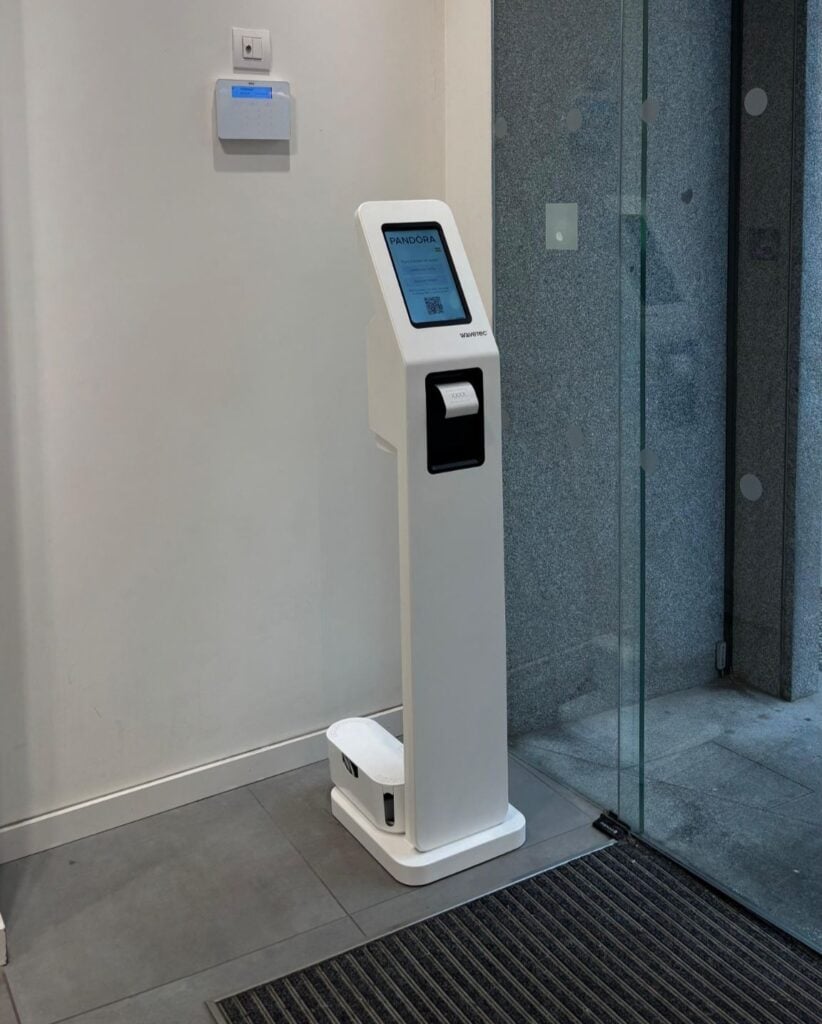
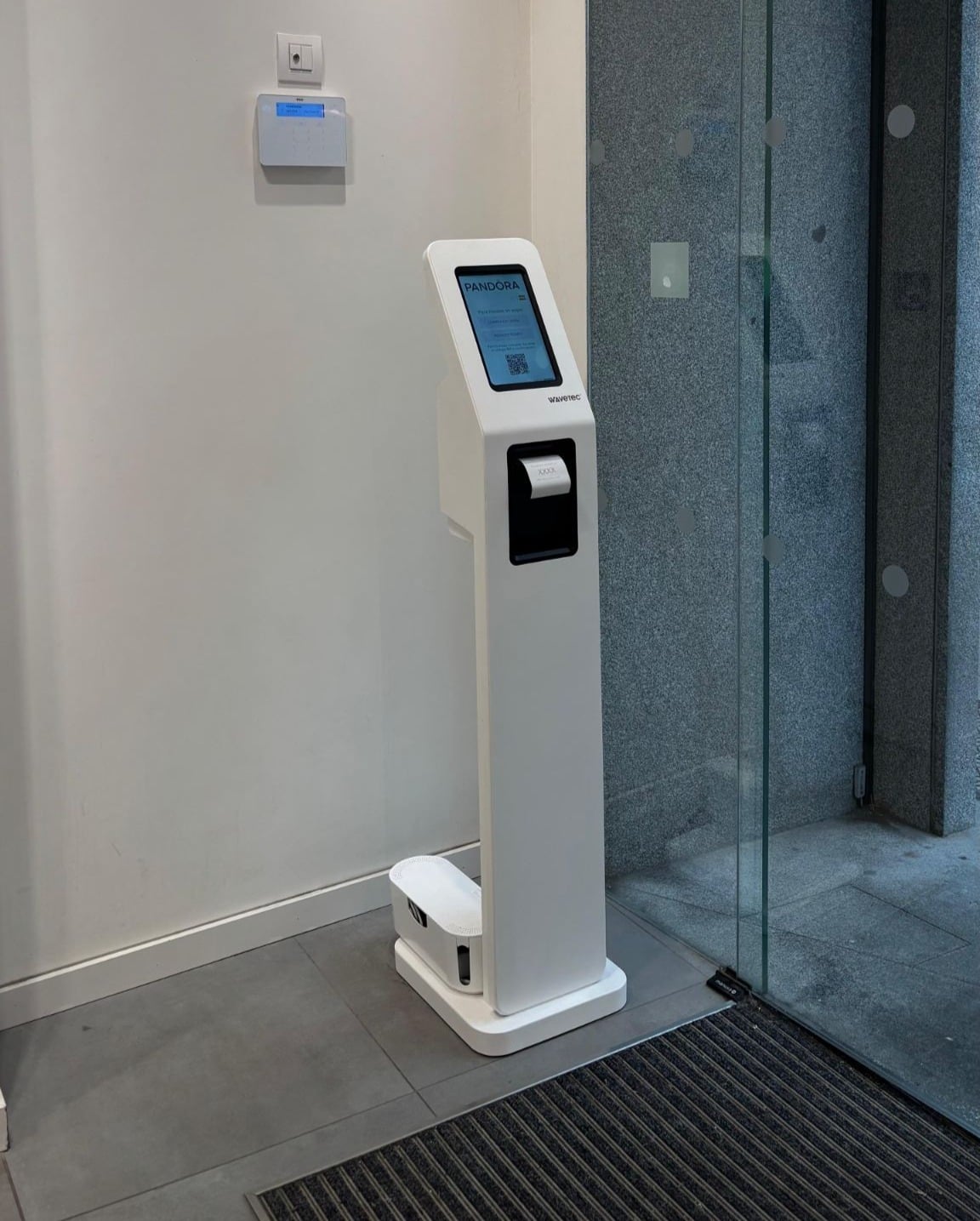
The journey begins at the Wavetec M-18 kiosk, positioned at the entrance to the service area. Using its 10.1″ touch screen, the customer selects the type of assistance they require and receives a customized, printed ticket confirming their place in the relevant queue.
2. The customer joins the appropriate queue
Once the customer’s service requirement is identified, they are added to the corresponding queue.
The system keeps the customer’s position within the service flow while the store team manages the queue through the connected counter devices. This means the customer does not need to manually determine when they should move from one stage of the journey to another.
3. Store staff manage the queue digitally
Behind the scenes, Pandora’s team uses Wavetec’s connected calling devices to progress customers through the queue.
Two counters use Wavetec handsets, while the third counter uses a WebTSU terminal. This gives the store a consistent mechanism for calling customers and managing service progression across its three counters.
4. The customer is called to the appropriate counter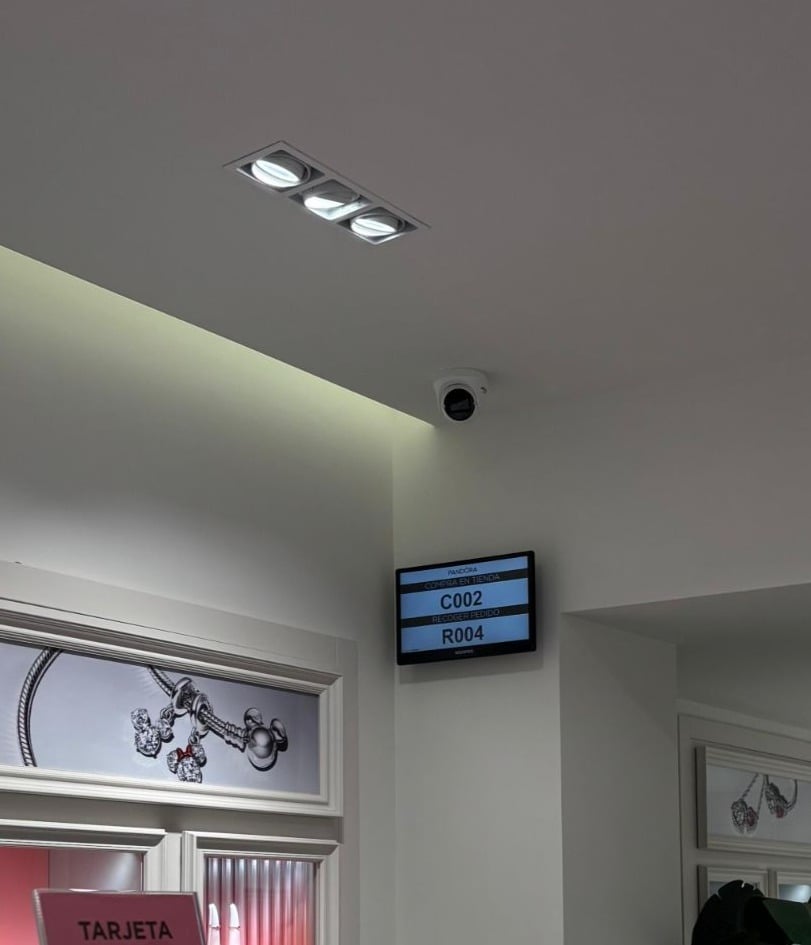
When the relevant counter becomes available, the next customer is called for service.
Because the queue is organised around the required service, the customer can be directed to the appropriate counter rather than having to work out where they should go.
5. The customer receives the service they came for
The final stage is deliberately simple: the customer reaches the appropriate member of staff and receives the required assistance.
From the customer’s perspective, the technology stays largely in the background.
That is exactly the point.
A well-designed customer-flow system should not make the retail experience feel more technical. It should make it feel easier.
From Managing Today’s Queue to Understanding Tomorrow’s Footfall
This is where the opportunity for Pandora extends beyond the current deployment.
A customer journey management system can tell a store what is happening now.
But what if it could also help answer:
- When are we likely to be busiest next Saturday?
- Which service is likely to experience the greatest demand?
- Will three active counters be enough during a peak trading period?
- What happens if customer traffic increases by 20%?
- Would opening another service point during a specific period improve the customer experience?
These are the types of questions that can be explored through Spectra 2.0’s forecasting and simulation capabilities.
Wavetec’s Spectra platform already provides real-time and historical reporting around customer journeys, service performance and branch activity. Its newer forecasting and simulation capabilities extend this from looking at historical performance to predicting future demand and modelling potential operational scenarios.
For Pandora, this could be particularly valuable because the store operates in a popular location, where understanding local customer behaviour can help inform operational planning.
Why Wavetec?
The Pandora deployment illustrates Wavetec’s approach to customer experience technology: connecting the physical service environment with software that can organise, monitor and analyse customer journeys.
The current solution brings together queue management and counter-level calling across three service points. But the broader Wavetec platform extends beyond the physical queue, incorporating digital ticketing, AI analytics, dashboards and forecasting and simulation capabilities.
This creates a path for retailers to move from simply managing queues to understanding the operational patterns behind them.
Wavetec has already applied similar customer-flow principles across European retail environments. In Spain, Wavetec’s deployment with Consum combines ticketing, digital customer journeys, Spectra dashboards, real-time service monitoring and business intelligence across a large retail network.
The Pandora deployment demonstrates how those principles can be adapted to a premium franchise retail environment, where the objective is not only operational efficiency but a smoother and more consistent customer experience.
Frequently Asked Questions
What did Wavetec implement at Pandora Spain?
Wavetec implemented a Queue Management System across three Pandora service counters. Two counters use Wavetec handsets, while one uses a WebTSU terminal to support customer calling and service management.
Why did Pandora need a Queue Management System?
Pandora’s flagship store provides different services through different counters. The Queue Management System helps organise customers according to their service requirements and provides staff with a consistent way to manage the customer journey.
How do customers start their journey at Pandora Spain?
Customers begin at a Wavetec M-18 self-service kiosk, a 10.1″ touch-screen ticket dispenser positioned at the store entrance. Customers select their required service and receive a printed, customised ticket, which places them into the correct queue for one of the store’s three counters.
How could Pandora use forecasting?
With sufficient historical customer-flow data, Pandora could use Spectra 2.0 to forecast future customer demand by time period and service type. This could help the store anticipate busy periods and plan resources before queues form.
Can this approach scale beyond one Pandora store?
Yes. Once comparable customer-flow data is available across multiple locations, the same analytics and predictive approach could help franchise or regional operations teams compare locations, identify recurring patterns and plan capacity across a wider retail network.